Health Information and Trust

The monitor

KFF Poll Shows Three in Ten Adults Turn to Social Media or AI for Health Information, with Lower-Income Adults More Likely to Cite Cost and Access Barriers as a Reason

The Monitor explores the latest KFF Tracking Poll on Health Information and Trust, which finds roughly three in ten adults report turning to social media (31%) or AI chatbots (29%) at least monthly for health information and advice. The top reasons people report turning to social media for health advice are wanting to hear from those with similar experiences or a desire for quick information.

Rare or Unverified Outcomes Shape Vaccine Safety and Gender Care Debates

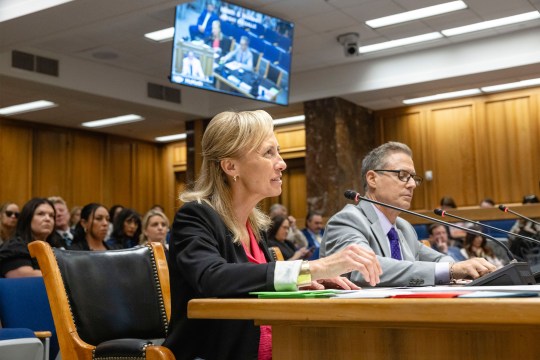
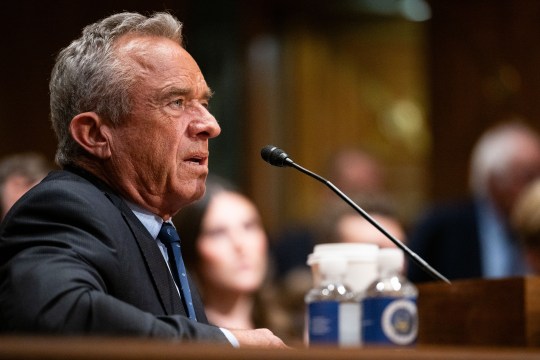
Two recent federal actions, including a memo about alleged COVID-19 vaccine deaths and legal settlements creating a gender-affirming care “detransition clinic,” show how official actions can present uncertain or uncommon outcomes as representative and lend credibility to narratives that go beyond what evidence supports.

Polling

People Without a Trusted Health Care Provider Are More Likely to Endorse False Vaccine Claims

This poll looks at exposure to and belief in several vaccine myths and finds that people without a trusted health care provider, and those who regularly use social media or AI for health information, are generally more likely than others to belief the false claims. It also analyzes belief across vaccine myths, showing the share of the public that are consistent myth believers, consistent myth deniers, and those who land in the “mixed middle.”

Dashboard: Polling on Health Information and Trust

Drawing on KFF’s poll findings, this interactive dashboard tracks the public’s trusted sources for health information, attitudes toward vaccines, and use of news, social media, and AI for health-related information.

Stay informed.

Stay informed.

Filter

121 - 130 of 139 Results

  • KFF Health Misinformation Tracking Poll Pilot

    Poll Finding

    The poll reveals that at least four in ten U.S. adults saying they’ve heard each of 10 specific false claims about COVID-19, reproductive health, and gun violence. While relatively small shares definitely believes the false claims, many more are uncertain about them. The survey also examines the public’s social and traditional media use and trust in sources of health information.

  • Poll: Most Americans Encounter Health Misinformation, and Most Aren’t Sure Whether It’s True or False 

    News Release

    A new KFF survey reveals the broad reach of health misinformation, with at least four in 10 people saying that they’ve heard each of 10 specific false claims about COVID-19, reproductive health, and gun violence. Relatively small shares say that each of those false claims are “definitely true”, ranging from as few as 3% who definitively believe that COVID-19 vaccines have been proven to cause infertility to as many as 18% who definitively believe armed…

  • The COVID-19 Pandemic: Insights from Three Years of KFF Polling

    Poll Finding

    Trust in public health officials declined over the course of the pandemic, particularly among Republicans. Over the course of the pandemic, KFF polling has found a decline in trust of public health officials – most notably among Republicans. In 2022, majorities of Democrats continued to say they have at least a fair amount of trust in the CDC, the FDA, and Dr. Fauci, while less than half of Republicans had the same level of trust…

  • KFF COVID-19 Vaccine Monitor: Pregnancy Misinformation – May 2022

    Poll Finding

    Misinformation and confusion about the COVID-19 vaccines and pregnancy is common among women who are pregnant or planning to become pregnant, with about three in ten saying they believe at least one false statement regarding the COVID-19 vaccines.

  • Misinformation About COVID-19 Vaccines and Pregnancy is Widespread, Including Among Women Who are Pregnant or Planning to Get Pregnant

    News Release

    Misinformation and confusion about the COVID-19 vaccines and pregnancy remains widespread, with most people – including women who are pregnant or trying to get pregnant – either believing or being uncertain about at least one of three false claims they’ve heard, a new KFF COVID-19 Vaccine Monitor shows. Among women who are pregnant or trying to get pregnant – the group for whom accurate information about the vaccines’ safety before, during and after pregnancy is…

  • Americans’ Attitudes and Experiences with COVID-19 Vaccines: What We’ve Learned from the Vaccine Monitor

    Event Date:
    Event

    Since before the first COVID-19 vaccine became available more than a year ago, the KFF COVID-19 Vaccine Monitor Project has tracked the public’s evolving views about and experiences with the vaccines amid the ongoing pandemic. On Feb. 8, 2022 KFF held a web briefing to share insights gleaned from nearly 40 Vaccine Monitor reports based on survey interviews with more than 24,000 people since December 2020.

  • COVID-19 Misinformation is Ubiquitous: 78% of the Public Believes or is Unsure About At Least One False Statement, and Nearly a Third Believe At Least Four of Eight False Statements Tested

    News Release

    Most People Who Trust Network and Local Television, CNN, MSNBC and NPR on COVID-19 Believe Little or No Misinformation; Larger Shares Who Trust Newsmax, One American News, and Fox News Hold Many Misconceptions More than three quarters (78%) of U.S. adults either believe or aren’t sure about at least one of eight false statements about the COVID-19 pandemic or COVID-19 vaccines, with unvaccinated adults and Republicans among those most likely to hold misconceptions, a new…