Health Information and Trust

The monitor

Correcting False Health Claims and Navigating AI-Generated Information

Corrections can improve the accuracy of people’s beliefs, but their impact may depend on reaching people before a claim has already spread widely. And research on AI-generated search results suggests that people may be less likely to visit the original sources behind AI-generated answers.
Different State Regulatory Approaches Reflect Open Questions About AI Mental Health Tools

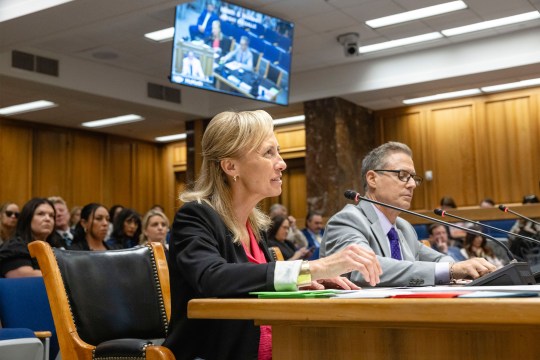
States are taking different regulatory approaches to AI mental health tools in response to concerns about chatbots providing inaccurate or potentially dangerous advice. Laws and pending legislation in some states restrict AI from providing or advertising itself as therapy, while others focus on data protections, disclosures, and patient consent requirements.

Polling

Dashboard: Polling on Health Information and Trust

Drawing on KFF’s poll findings, this interactive dashboard tracks the public’s trusted sources for health information, attitudes toward vaccines, and use of news, social media, and AI for health-related information.

Stay informed.

Stay informed.

Filter

131-140 of 147 results

  • Poll: Most Americans Encounter Health Misinformation, and Most Aren’t Sure Whether It’s True or False 

    News Release

    A new KFF survey reveals the broad reach of health misinformation, with at least four in 10 people saying that they’ve heard each of 10 specific false claims about COVID-19, reproductive health, and gun violence. Relatively small shares say that each of those false claims are “definitely true”, ranging from as few as 3% who definitively believe that COVID-19 vaccines have been proven to cause infertility to as many as 18% who definitively believe armed…

  • The COVID-19 Pandemic: Insights from Three Years of KFF Polling

    Poll Finding

    Trust in public health officials declined over the course of the pandemic, particularly among Republicans. Over the course of the pandemic, KFF polling has found a decline in trust of public health officials – most notably among Republicans. In 2022, majorities of Democrats continued to say they have at least a fair amount of trust in the CDC, the FDA, and Dr. Fauci, while less than half of Republicans had the same level of trust…

  • KFF COVID-19 Vaccine Monitor: Pregnancy Misinformation – May 2022

    Poll Finding

    Misinformation and confusion about the COVID-19 vaccines and pregnancy is common among women who are pregnant or planning to become pregnant, with about three in ten saying they believe at least one false statement regarding the COVID-19 vaccines.

  • Misinformation About COVID-19 Vaccines and Pregnancy is Widespread, Including Among Women Who are Pregnant or Planning to Get Pregnant

    News Release

    Misinformation and confusion about the COVID-19 vaccines and pregnancy remains widespread, with most people – including women who are pregnant or trying to get pregnant – either believing or being uncertain about at least one of three false claims they’ve heard, a new KFF COVID-19 Vaccine Monitor shows. Among women who are pregnant or trying to get pregnant – the group for whom accurate information about the vaccines’ safety before, during and after pregnancy is…

  • Americans’ Attitudes and Experiences with COVID-19 Vaccines: What We’ve Learned from the Vaccine Monitor

    Event Date:
    Event

    Since before the first COVID-19 vaccine became available more than a year ago, the KFF COVID-19 Vaccine Monitor Project has tracked the public’s evolving views about and experiences with the vaccines amid the ongoing pandemic. On Feb. 8, 2022 KFF held a web briefing to share insights gleaned from nearly 40 Vaccine Monitor reports based on survey interviews with more than 24,000 people since December 2020.

  • COVID-19 Misinformation is Ubiquitous: 78% of the Public Believes or is Unsure About At Least One False Statement, and Nearly a Third Believe At Least Four of Eight False Statements Tested

    News Release

    Most People Who Trust Network and Local Television, CNN, MSNBC and NPR on COVID-19 Believe Little or No Misinformation; Larger Shares Who Trust Newsmax, One American News, and Fox News Hold Many Misconceptions More than three quarters (78%) of U.S. adults either believe or aren’t sure about at least one of eight false statements about the COVID-19 pandemic or COVID-19 vaccines, with unvaccinated adults and Republicans among those most likely to hold misconceptions, a new…

  • KFF COVID-19 Vaccine Monitor: Media and Misinformation

    Poll Finding

    This report examines COVID-19 misinformation and finds that nearly eight in ten adults either believe or are unsure about at least one false statement about COVID-19 or the vaccines. It also examines the news and social media sources the public trusts for information on the virus, and the relationship between news sources and belief in misinformation.

  • Persistent Vaccine Myths

    From Drew Altman

    With news that the country has now vaccinated half of its population with at least one dose, This Drew Altman Axios column highlights the persistent COVID-19 vaccine myths that are believed by a substantial portion of the unvaccinated population and discusses the options to address vaccine misinformation.