Health Costs

The MIDTERMS

Democrats Hold a Nearly 2-to-1 Advantage Over Republicans on Handling the Cost of Health Care

Poll: Cost of Health Care and Gas Top Voters’ Midterm Concerns; Democrats Hold Significant Advantage on Health Care Costs and Cost of Living 

With the 2026 midterms about a month away, health care costs remain tied with gas as voters’ top midterm concerns and the Democrats hold a clear edge over the Republicans Party on who voters trust to handle many top electoral issues, including the cost of health care and the cost of living. Two-thirds of U.S. adults now favor Medicare-for-all, a new high in KFF Polling, but support shifts when competing claims from critics and proponents are heard.


New and noteworthy

Americans’ Challenges with Health Care Costs

This data note reviews our recent polling data that finds that many Americans struggle to afford many aspects of health care, including disproportionate shares of uninsured adults, Black and Hispanic adults and those with lower incomes.

Health System Tracker

U.S. Health Spending Is Expected to Reach $9 Trillion by 2034

How Much is Health Spending Expected to Grow?

This chart collection explores how much health spending is expected to grow in the coming years, with a look at growth in prescription drug spending, out-of-pocket spending, and related trends.

Is This A Healthcare Economy?

Health care employment has grown faster than other sectors of the economy, with jobs in physician offices, hospitals, outpatient care centers, home health, and other settings increasing over the past year even as the rest of the job market plateaued. 

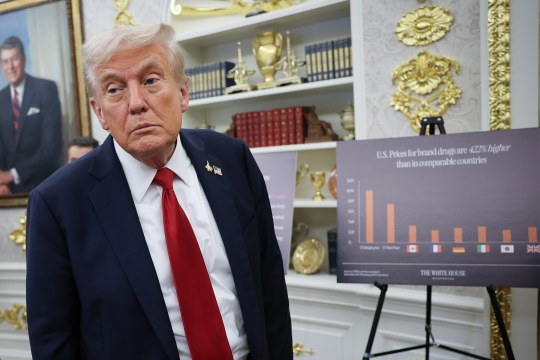
How TrumpRx Brand-Name Drug Prices Compare

TrumpRx prices for brand-name drugs are about as likely to be higher as lower compared to average prices in other wealthy countries, according to an analysis that compares 32 brand-name drugs.

Stay informed.

Stay informed.

Filter

421-430 of 1,622 results

  • Average Family Premiums Rose 4% This Year to Top $22,000; Employers Boost Mental Health and Telemedicine amid COVID-19 Pandemic, Benchmark KFF Survey Finds

    News Release

    Annual family premiums for employer-sponsored health insurance rose 4% to average $22,221 this year, according to the 2021 benchmark KFF Employer Health Benefits Survey released today. On average, workers this year are contributing $5,969 toward the cost of family coverage, with employers paying the rest. This year’s survey also assesses how the pandemic affected workplace health benefits, including mental health services and telemedicine. The annual change in premiums roughly matches the year-to-year rise in workers’…

  • Nov. 10 Web Briefing to Release the 2021 Employer Health Benefits Survey Capturing Trends in Offer Rate, Premiums, Cost Sharing and Benefit Changes Related to COVID-19

    Event Date:
    Event

    KFF released its 2021 benchmark Employer Health Benefits Survey via a public web briefing on Nov. 10, 2021. This 23rd annual survey provided a detailed look at the current state of employer-based coverage and trends in private health insurance for both large and small firms. Fielded among a nationally representative sample of nearly 1,700 employers with at least three workers, the survey captures average premiums for workers and employers and their rate of increase; average…

  • Ten Changes to Watch in Open Enrollment 2022

    Issue Brief

    Even as the ninth annual Open Enrollment period gets underway, the Affordable Care Act (ACA) Marketplaces continue to evolve and important changes are expected. This issue brief discusses what changes to watch out for in the coming enrollment period.

  • KFF Health Tracking Poll – October 2021: Home And Community Based Services And Seniors’ Health Care Needs

    Feature

    The October KFF Health Tracking Poll explores experiences with unpaid caregiving, and favorability of expansion of home and community based services (HCBS). It also examines experiences with difficulty affording and putting of health care services among seniors, favorability of the ACA and experience with determining eligibility for lower cost insurance as part of the COVID relief package.

  • The Public Weighs In On Medicare Drug Negotiations

    Feature

    This data note from the latest KFF Health Tracking Poll explores the public's views on Medicare drug price negotiation, including how arguments on both sides impact support and opposition; confidence in leaders to do the right thing on drug pricing; and experiences with prescription drug costs.

  • Large Majorities Across Parties Favor Allowing the Federal Government to Negotiate Drug Prices, Even After Hearing Common Arguments About It

    News Release

    Most of the Public Lacks Confidence that President Biden, Congressional Democrats or Republicans Will Do the Right Thing on Drug Prices Allowing the federal government to negotiate with drug companies to lower drug prices for Medicare beneficiaries and people enrolled in private plans – a key cost-saving proposal in the Democrats’ massive reconciliation bill – is favored by large majorities across political partisans, even after they hear arguments from both sides, a new KFF Health…

  • How Marketplace Costs and Premiums Will Change if American Rescue Plan Subsidies Expire

    News Release

    In a new Policy Watch, KFF analysts explore the potential impact of the expiration of the American Rescue Plan Act’s enhanced financial help and new eligibility for the Affordable Care Act’s health insurance Marketplace federal subsidies. While the COVID-19 relief legislation passed earlier this year provides greater subsidy assistance through 2022, Democrats in Congress are currently considering making the temporary federal help permanent or extending it as part of their planned budget reconciliation legislation. The…

  • How Marketplace Costs and Premiums will Change if Rescue Plan Subsidies Expire

    Policy Watch

    In this Policy Watch we explore the potential impact of the expiration of the American Rescue Plan Act’s enhanced financial help and new eligibility for the Affordable Care Act’s health insurance Marketplace federal subsidies. While the COVID-19 relief legislation passed earlier this year provides greater subsidy assistance through 2022, Democrats in Congress are currently considering making the temporary federal help permanent or extending it as part of their planned budget reconciliation legislation.

  • Many Medicare Beneficiaries Face High Out-of-Pocket Costs for Dental and Hearing Care, Whether in Traditional Medicare or Medicare Advantage

    News Release

    Many Medicare beneficiaries face high annual out-of-pocket costs for dental and hearing care -- services that generally aren’t covered in traditional Medicare, but typically are covered by Medicare Advantage plans though the scope and value of these benefits vary, finds a new KFF analysis. The analysis shows that, among beneficiaries who used each type of service, average annual out-of-pocket spending was $914 for hearing care and $874 for dental care in 2018, but considerably less…