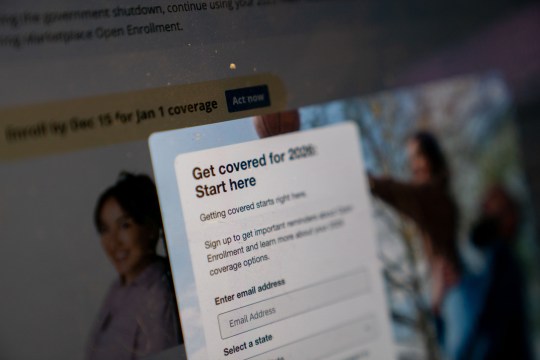
Affordable Care Act

The ACA MarketplaceS

Change in February effectuated enrollment, by state, 2025-2026

How Has ACA Marketplace Enrollment Changed Across States in 2026?

ACA Marketplace enrollment fell this year in every state except New Mexico, which was the only state to fully replace the enhanced premium tax credits that expired last year with a state-funded subsidy, according to a new KFF analysis of effectuated enrollment data. The Marketplace enrollment decline—the first in seven years—follows several years of rapid enrollment growth and coincides with the end of the enhanced federal subsidies.


How Much and Why ACA Marketplace Premiums Are Going Up in 2027

ACA Marketplaces insurers are proposing a median premium increase of 15% in 2027, according to KFF’s updated analysis of 276 insurers with publicly available filings across all 50 states and the District of Columbia. This is the second consecutive year of double-digit premium hikes. Last year’s median nationwide proposed rate change was 18%, and the median finalized rate change was 20%. While this proposed rate change is lower than last year, it represents the second-highest requested rate change since 2018, as premium growth had been relatively flat in this market for several years.

About the ACA

Promotional image for KFF video How Affordable is the Affordable Care Act

Did the Affordable Care Act Make Health Care More Affordable?

The expiration of the ACA’s enhanced premium tax credits at the start of 2026, combined with rising insurer premiums, put a spotlight on health care affordability that extends beyond Marketplace enrollees. KFF’s Cynthia Cox examines the ACA’s record and the broader underlying question it raises: what’s a fair price for Americans people to pay for health care?

Stay informed.

Stay informed.

Filter

1,371 - 1,380 of 2,787 Results

  • No Surprises Act Implementation: What to Expect in 2022

    Issue Brief

    The “No Surprises Act,” which establishes new federal protections against most surprise out-of-network medical bills when a patient receives out-of-network services during an emergency visit or from a provider at an in-network hospital without advance notice, will take effect next month. A new KFF brief outlines what to expect in 2022.

  • As Unemployment Skyrockets, KFF Estimates More than 20 Million People Losing Job-Based Health Coverage Will Become Eligible for ACA Coverage through Medicaid or Marketplace Tax Credits

    News Release

    Coverage Losses Will Affect At Least a Million Residents in Each of Eight States: California, Texas, Pennsylvania, New York, Georgia, Florida, Michigan and Ohio With more than 31 million workers filing unemployment claims between March 1 and May 2 as the coronavirus crisis hit the nation’s economy, a new KFF analysis estimates 26.8 million people across the country would become uninsured due to loss of job-based health coverage if they don't sign up for other…

  • Supplemental Security Income for People with Disabilities: Implications for Medicaid

    Issue Brief

    This issue brief describes key characteristics of SSI enrollees, explains the SSI eligibility criteria and eligibility determination process, and considers the implications of changes in the SSI program for Medicaid, including the effects of the COVID-19 pandemic and resulting economic downturn as well as proposals supported by President Biden that Congress might consider.

  • Lacking Dental Coverage, Many People on Medicare Forgo Dental Care, Especially Beneficiaries of Color

    News Release

    Many people enrolled in Medicare go without dental care, especially beneficiaries of color, according to a new KFF analysis of dental coverage and costs for people with Medicare. Almost half of all Medicare beneficiaries (47%) did not have a dental visit within the past year as of 2018, the analysis finds, with rates higher among those who are Black (68%) or Hispanic (61%) compared to White beneficiaries (42%). Rates were also higher among those who…

  • Women’s Health and Election 2008

    Issue Brief

     Download PDF Women consistently cite health care as one of the top issues they want the Presidential candidates to address, reflecting their experiences with the health care system as patients, mothers, and caregivers for frail and disabled family members.  Women’s priorities for health care reform cut across many critical topics, including health insurance coverage and affordability, the cornerstones of the candidates’ health proposals, as well as long-term care, delivery system issues, and reproductive health.  This…

  • Today’s Topics In Health Disparities: Is the Health Care System Ready for Health Reform?

    Event Date:
    Event

    On Wednesday, November 4, at 1 p.m. ET, this Today's Topics In Health Disparities live webcast examined how ready the health care system is for the influx of newly covered individuals that health reform aims to deliver. In the health care proposals being considered by Congress, changes to Medicaid alone could mean as many as 15 million people would become newly eligible for the program and many live in medically underserved areas. The program will…

  • Policy and Political Implications of the Supreme Court Case on the Affordable Care Act

    Event Date:
    Event

    This webcast features a Kaiser Family Foundation briefing held on March 14, 2012, examining the policy and political implications of the pending U.S. Supreme Court case on the Affordable Care Act (ACA). At the briefing, the Foundation released new polling data on the public’s views about the case as well as their more general views about the health reform law. Participants included: Kaiser President and CEO Drew Altman (moderator)Joe Onek, Principal, The Raben Group Sheila…

  • Pulling It Together: Moving Away From Employer Based Coverage: Don’t Forget Public Opinion

    Perspective

    One of the underlying big issues in the unfolding health reform debate is whether most Americans should continue to get insurance through work where they get it today, or purchase it themselves in the individual private health insurance marketplace. Senator McCain promotes moving to individual insurance and having individuals rather than employers make coverage decisions, as has President Bush.  But this is not only a conservative idea.  Many on the liberal side -- such as…

  • Pulling It Together: What Conservatives Won In Health Reform (And Don’t Seem to Know It)

    Perspective

    Conservatives obviously don't like what they call "Obamacare" because they think it expands the role of government too much and spends too much money.  But ironically, the Affordable Care Act (ACA) actually promotes -- though not explicitly -- something that has been a fundamental objective of conservatives in health care for years: high-deductible health plans with more "skin in the game." In a new study we just released, we commissioned three different actuarial consulting firms…