Women's Health Policy

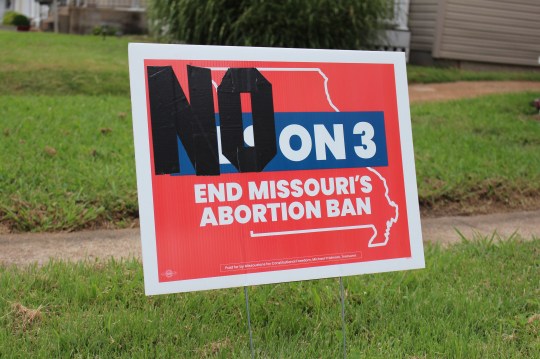
ABORTION IN THE U.S.

CONTRACEPTIve care IN THE U.S.

New and noteworthy

Over-the-Counter Oral Contraceptive Pills

In July 2023, the FDA approved Opill, the first daily oral contraceptive pill to become available over the counter (OTC) without a doctor’s prescription. This issue brief provides an overview of OTC oral contraceptives and laws and policies related to insurance coverage.

featured

A promotional image for the the KFF Health Policy 101 Issues in Women’s Health chapter

Health Policy Issues in Women’s Health

Examine the core health coverage and access issues —shaped by federal and state policies—that affect women’s health today, including health coverage and costs, reproductive health services, maternal health, mental health, and intimate partner violence.

State Profiles for Women’s Health

Explore the latest national and state-specific data and policies on women’s health. Topics include health status, insurance and Medicaid coverage, use of preventive services, sexual health, maternal and infant health, and abortion policies. Many indicators provide state-level information for women of different racial and ethnic groups.

The essentials
  • Women’s Health Insurance Coverage

    This factsheet reviews major sources of coverage for women residing in the U.S., discusses the ACA's impact on coverage, and the coverage challenges that many women continue to face.
  • Medicaid Coverage for Women

    This data note presents key data points describing the current state of the Medicaid program as it affects women, including eligibility, reproductive health, chronic conditions, and more.
  • Dobbs: What are the Implications for Racial Disparities?

    This analysis examines the implications of the Dobbs decision and state restrictions on abortion coverage for racial disparities in access to care and health outcomes.
  • State Health Facts: Women's Health Indicators

    Information on women’s health status, utilization of services, health insurance coverage, family planning and childbirth, and abortion statistics and policies.
  • Key Facts on Abortion in the United States

    This report answers some key questions about abortion in the United States and presents data collected before the overturn of Roe v. Wade.

Subscribe to KFF Emails

Choose which emails are best for you.
Sign up here

Filter

791 - 800 of 868 Results

  • Ensuring the Health Care Needs of Women: A Checklist for Health Exchanges

    Issue Brief

    To inform the development of the state health insurance Exchanges under the Affordable Care Act, this checklist identifies key coverage, affordability and access issues that are important for women. Based on lessons learned from women’s health research and the Massachusetts experience, the checklist considers essential health benefits, implementation of no-cost preventive services including contraception, provider networks and affordability, outreach and enrollment efforts, and the importance of including gender and other demographic characteristics in data collection and reporting standards.

  • Women’s Health Quiz: Health Coverage and the Affordable Care Act

    Feature

    Health insurance coverage is a critical factor in making health care accessible to women—women with health coverage are more likely to obtain needed preventive, primary, and specialty care services. Test your knowledge of women’s health coverage and the effect of the Affordable Care Act on women with our ten-question quiz.

  • Women’s Health Issues Journal: Medicaid and Women’s Health Coverage Two Years into the Affordable Care Act

    Issue Brief

    As Medicaid marks its 50th year, the program has unquestionably become the mainstay of health coverage for low-income women in the nation. Since its inception, its role for women has continued to evolve and expand, but the passage of the Affordable Care Act (ACA) swung open the doors for Medicaid to serve even more low-income women who lack access to private or employer-based insurance. This is because the ACA enabled states to finally eliminate Medicaid's historical “categorical” requirements, which had essentially shut out women and men without dependent children.

  • Abortion Coverage in the ACA Marketplace Plans: The Impact of Proposed Rules for Consumers, Insurers and Regulators

    Issue Brief

    On November 7, 2018, a day after the 2018 midterm elections, the Trump Administration issued a proposed regulation to address “Exchange Program Integrity.” A major element of this proposed rule would affect insurers, consumers, and state insurance regulators in the states that either allow or require abortion coverage. The Affordable Care Act (ACA) allows states to ban plans from offering abortion as a benefit on their Qualified Health Plans (QHPs) and requires plans that cover abortion to segregate policyholder payments for abortion coverage from all other premium charges. This brief provides an overview of current ACA-related abortion coverage policies and analyzes the potential impact of the proposed changes.

  • How State Policies Limiting Abortion Coverage Changed Over Time

    Feature

    This week, the Trump administration proposed new rules around abortion coverage in the ACA Marketplace plans. Here’s how state policies shaping access to abortion coverage in Medicaid and private insurance have changed before and after the passage of the health law.

  • New Title X Regulations: Implications for Women and Family Planning Providers

    Issue Brief

    This brief reviews the Trump Administration’s new final Title X family planning regulations, compares them to the current program rules and discusses the implications of these changes for low-income women seeking family planning services and the providers that have been serving them with Title X support