Women's Health Policy

ABORTION IN THE U.S.

CONTRACEPTIve care IN THE U.S.

New and noteworthy

Over-the-Counter Oral Contraceptive Pills

In July 2023, the FDA approved Opill, the first daily oral contraceptive pill to become available over the counter (OTC) without a doctor’s prescription. This issue brief provides an overview of OTC oral contraceptives and laws and policies related to insurance coverage.

featured

A promotional image for the the KFF Health Policy 101 Issues in Women’s Health chapter

Health Policy Issues in Women’s Health

Examine the core health coverage and access issues —shaped by federal and state policies—that affect women’s health today, including health coverage and costs, reproductive health services, maternal health, mental health, and intimate partner violence.

State Profiles for Women’s Health

Explore the latest national and state-specific data and policies on women’s health. Topics include health status, insurance and Medicaid coverage, use of preventive services, sexual health, maternal and infant health, and abortion policies. Many indicators provide state-level information for women of different racial and ethnic groups.

The essentials
  • Women’s Health Insurance Coverage

    This factsheet reviews major sources of coverage for women residing in the U.S., discusses the ACA's impact on coverage, and the coverage challenges that many women continue to face.
  • Medicaid Coverage for Women

    This data note presents key data points describing the current state of the Medicaid program as it affects women, including eligibility, reproductive health, chronic conditions, and more.
  • Dobbs: What are the Implications for Racial Disparities?

    This analysis examines the implications of the Dobbs decision and state restrictions on abortion coverage for racial disparities in access to care and health outcomes.
  • State Health Facts: Women's Health Indicators

    Information on women’s health status, utilization of services, health insurance coverage, family planning and childbirth, and abortion statistics and policies.
  • Key Facts on Abortion in the United States

    This report answers some key questions about abortion in the United States and presents data collected before the overturn of Roe v. Wade.

Subscribe to KFF Emails

Choose which emails are best for you.
Sign up here

Filter

1 - 10 of 868 Results

  • The Status of Abortion-related State Ballot Initiatives Since Dobbs

    Tracker

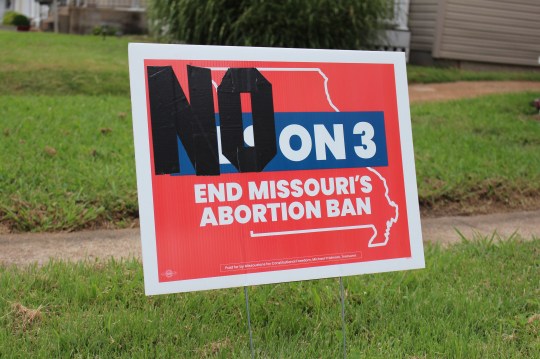
    Last updated on March 24, 2026 Since the Supreme Court’s Dobbs decision, overturning Roe v. Wade, voters in 17 states have weighed in on ballot measures regarding abortion-- some more than once. In November 2026, voters in Missouri, Nevada, and Virginia will weigh in on abortion measures that could change the legal status of abortion in their state. In addition, measures in Idaho and Nebraska are in the process of collecting signatures.
  • Medicaid Postpartum Coverage Extension Tracker

    Issue Brief

    This page tracks recent state actions to extend Medicaid postpartum coverage, including approved and pending 1115 waivers, legislation that will require the state to seek federal approval through a SPA or 1115 waiver, submitted and approved SPAs, and coverage financed solely with state funds.

  • Navigating Uncertainty: The Latest Challenge to the Title X Family Planning Safety Net

    Quick Take

    The Administration's latest funding deadline and guidance shift intensifies pressure to the reproductive health safety net at a time when the number of uninsured individuals is projected to rise due to Medicaid cuts and expiration of enhanced Affordable Care Act premium tax credits, and Planned Parenthood clinics have lost their federal Medicaid funding.

  • Oral Contraceptive Pills: Access and Availability

    Issue Brief

    This brief provides an overview of oral contraception, discusses private insurance and Medicaid coverage, and reviews strategies to promote and expand women’s access to oral contraceptives.

  • Over-the-Counter Oral Contraceptive Pills

    Issue Brief

    Oral contraceptives are the most commonly used method of reversible contraception in the U.S. In July 2023, the FDA approved Opill, the first daily oral contraceptive pill to become available over the counter (OTC) without a doctor’s prescription. This issue brief provides an overview of OTC oral contraceptives and laws and policies related to insurance coverage.




