Uninsured

New and noteworthy

Quote from KFF President and CEO Drew Altman reads, "when it comes to the “affordability crisis” driving the national discussion of health care today, the chronically ill, and most of all the chronically ill uninsured, are the tip of the spear."

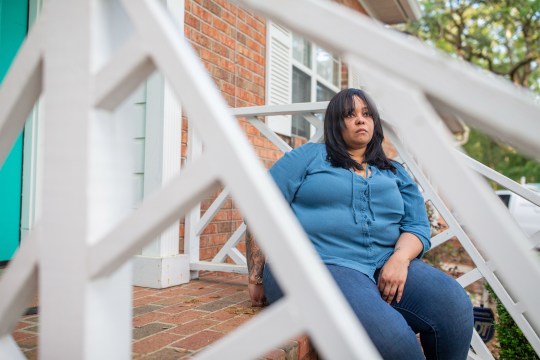
The Group that Struggles the Most in American Health Care

In a new column, Dr. Drew Altman, KFF’s Founding President and CEO, previews findings about the chronically ill uninsured from a large KFF survey of 25,000 Americans focusing on the cost and access challenges facing the chronically ill, which will be released tomorrow. He writes: “There are more than enough needs to go around in American health care, but if I had to pick the one group that struggles the most with costs and access, it would be people with chronic illnesses who are also uninsured.”


Other “Beyond the Data” columns >>

Key Facts about the Uninsured Population

The number and share of people without insurance grew in 2024, increasing for the first time since 2019, according to KFF’s analysis of data from the American Community Survey (ACS). This issue brief describes trends in health coverage in 2024, examines the characteristics of the uninsured population , and summarizes the access and financial implications of not having coverage.

Data and analysis

The coverage gap exists because some states did not expand Medicaid under the ACA to cover adults under age 65 without dependent children with incomes at/below 138% of the federal poverty level (FPL)

How Many Uninsured Are in the Coverage Gap?

An estimated 1.4 million uninsured individuals in the 10 states without Medicaid expansion, including many working adults, people of color, and those with disabilities, remain in the "coverage gap," ineligible for Medicaid or for ACA tax credits that would make coverage affordable.

The Uninsured and Health Coverage

This Health Policy 101 chapter examines the share of the United States population who are uninsured, highlighting their demographics and the challenges they face because of the lack of coverage.

Key Facts on Health Coverage of Immigrants

This fact sheet provides an overview of health coverage for immigrants based on data from the 2023 KFF/LA Times Survey of Immigrants. As of 2023, half of likely undocumented immigrant adults and one in five lawfully present immigrant adults reported being uninsured.

Who was uninsured in 2024?

Latest Polling
9.8%

The share of people under age 65 without insurance
62%

The share of uninsured adults who said they were uninsured because coverage is not affordable
59%

The share of uninsured adults who said they or someone living with them had problems paying for health care
39%

The share of uninsured adults who reported delaying or not getting needed care or medication due to cost

Stay informed.

Stay informed.

Filter

951-960 of 1,318 results

  • Retiree Health Benefits Now and In the Future – Chartpack

    Report

    This chartpack (charts used at the briefing releasing this survey), from the survey conducted by the Kaiser Family Foundation and Hewitt Associates between June and September 2003, provides detailed information on retiree health programs offered by large private-sector employers. The data in this survey reflect the responses of 408 large firms (private-sector employers with 1,000 or more workers) and provides information on eligibility, benefits, premiums, and total cost in 2003, and offers insights as to…

  • Retiree Health Benefits Now and in the Future, Report

    Report

    Retiree Health Benefits Now and In the Future - Report This survey, conducted by the Kaiser Family Foundation and Hewitt Associates between June and September 2003 provides detailed information on retiree health programs offered by large private-sector employers. The data in this survey reflect the responses of 408 large firms (private-sector employers with 1,000 or more workers) and provides information on eligibility, benefits, premiums, and total cost in 2003, and offers insights as to what…

  • Retiree Health Benefits in 2003: Employer Survey

    Report

    This survey, conducted by the Kaiser Family Foundation and Hewitt Associates between June and September 2003 provides detailed information on retiree health programs offered by large private-sector employers. The data in this survey reflect the responses of 408 large firms (private-sector employers with 1,000 or more workers) and provides information on eligibility, benefits, premiums, and total cost in 2003, and offers insights as to what changes employers say they are likely to make in the…

  • Health Insurance Coverage in America:  2002 Data Update

    Report

    Health Insurance Coverage in America: 2002 Data Update This chartbook provides 2002 data on health insurance coverage, with special attention to the uninsured. It includes trends and major shifts in coverage and a profile of the uninsured population. Chartbook (.pdf) Previous year's data updates

  • Assessing the Role of Recent Waivers in Providing New Coverage

    Issue Brief

    This analysis finds that recent waivers have expanded coverage in important ways in a few states, but, overall, the number of people who have gained new coverage under recent waivers has been quite limited, well below projections and small compared to overall growth in Medicaid enrollment. Issue Paper (.pdf)

  • SCHIP Program Enrollment: June 2003 Update

    Report

    This SCHIP enrollment report finds that overall enrollment growth is slowing and enrollment declined in 13 states. It also found that some states are capping enrollment and a handful of sates are reducing eligibility and benefits under SCHIP. Report (.pdf)

  • Understanding the Health-Care Needs and Experiences of People with Disabilities:  Findings from a 2003 Survey

    Report

    Understanding the Health-Care Needs and Experiences of People with Disabilities: Findings from a 2003 Survey People with disabilities are at risk in the health-care system because of their wide-ranging health-care needs, their relatively heavy use of prescription drugs, health-care and support services, and typically low incomes. A new survey of people with permanent mental and/or physical disabilities explores their health-care experiences and challenges in accessing and paying for care. Report (.pdf) Chartpack, video, press release,…

  • The Role of Health Coverage for People with Disabilities

    Event Date:
    Event

    People with disabilities are at risk in the health-care system because of their wide-ranging health-care needs, their relatively heavy use of prescription drugs, health-care and support services, and typically low incomes. A new survey of people with permanent mental and/or physical disabilities explores their health-care experiences and challenges in accessing and paying for care. Report Chartpack Health Affairs Article-- "Uncovering the Health Challenges Facing People with Disabilities: The Role of Health Insurance"