Racial Equity and Health Policy

the Essentials
  • Health Coverage by Race and Ethnicity, 2010-2024

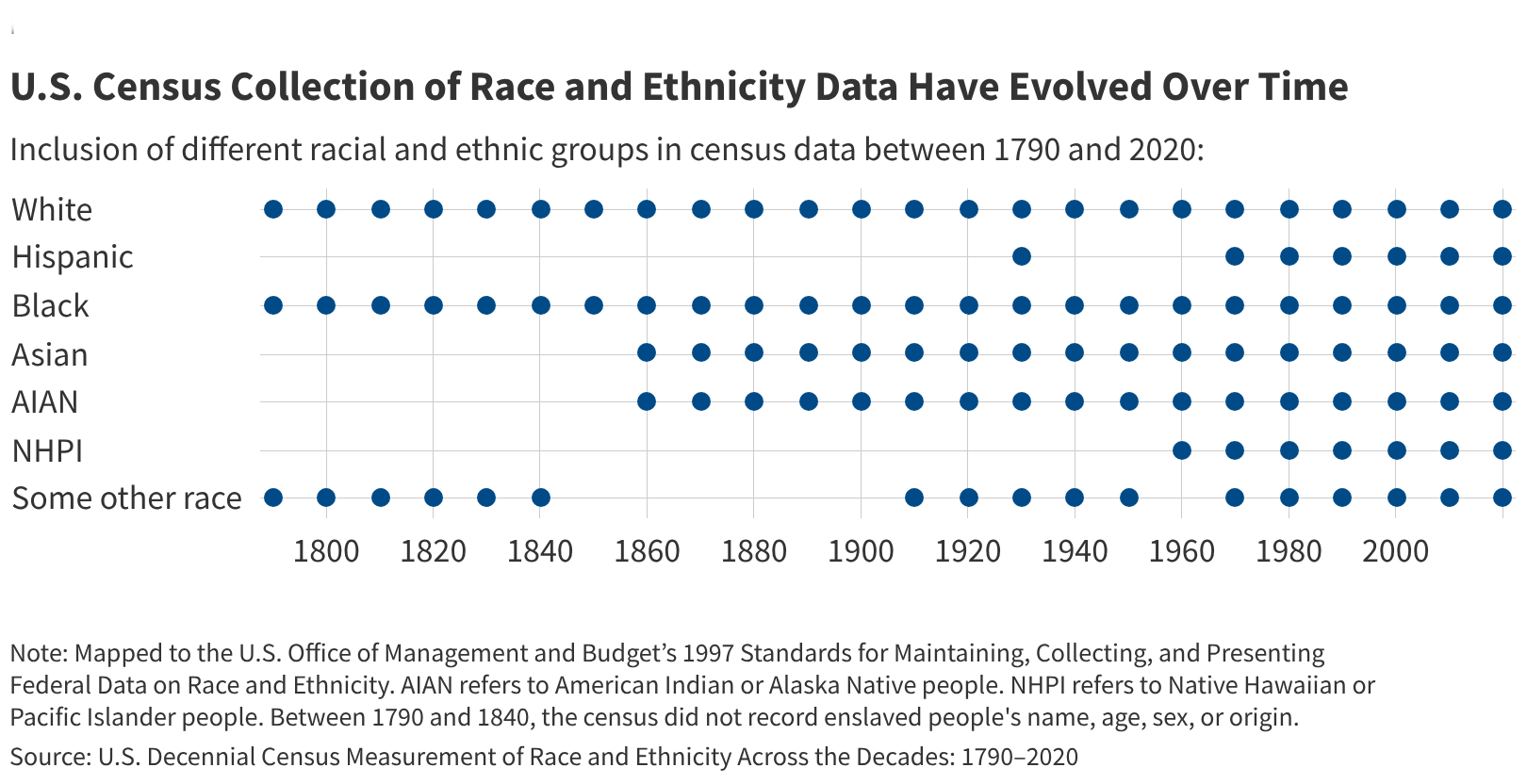
    There have been longstanding racial and ethnic disparities in health coverage that contribute to disparities in health. This brief examines trends in health coverage by race and ethnicity from 2010 through 2024 and discusses the implications for such disparities.
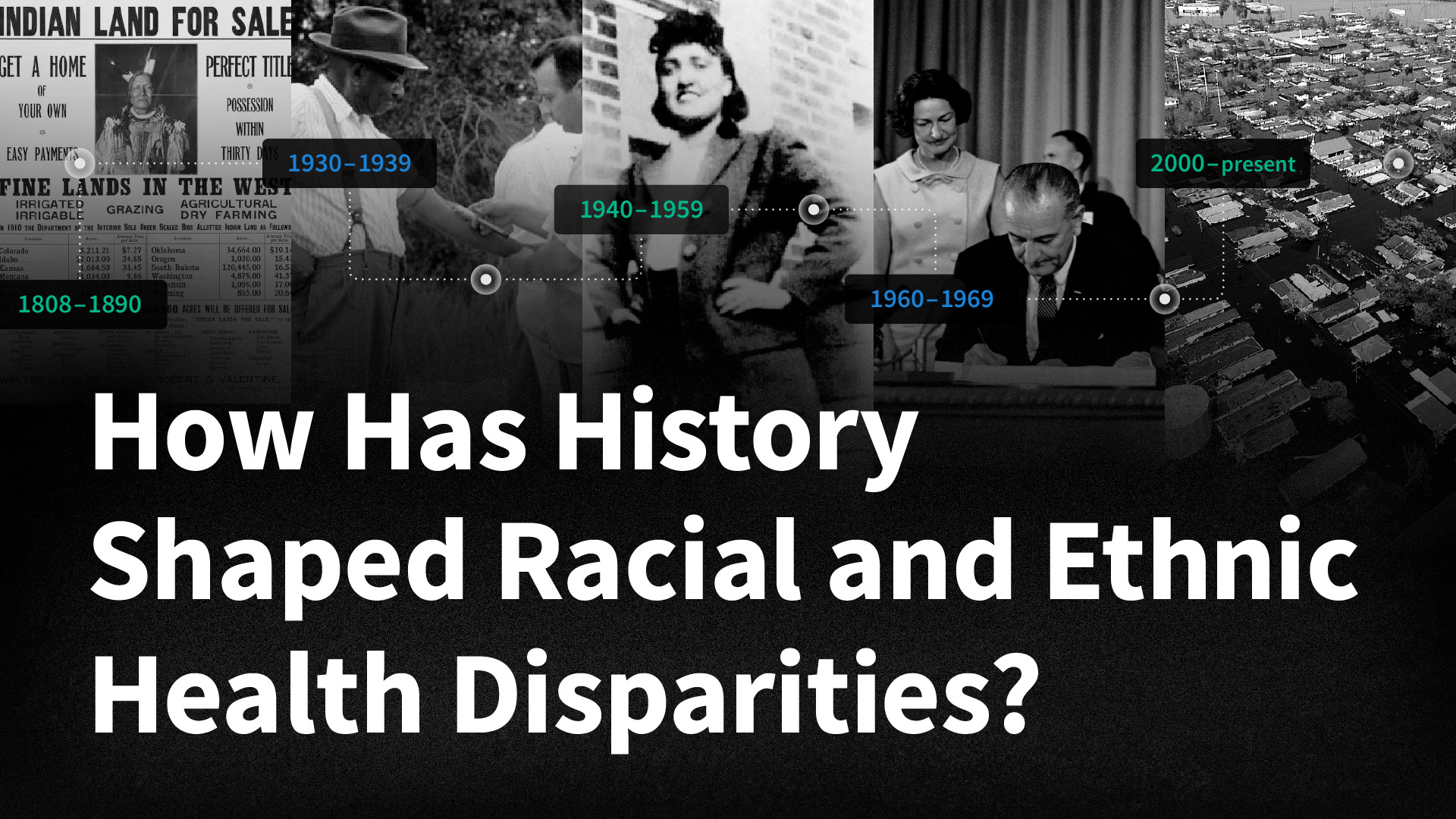
  • Timeline: How History Has Shaped Racial and Ethnic Health Disparities

    This timeline offers a historical view of significant U.S. federal policies and events spanning the early 1800s to today that have influenced present-day health disparities.
  • Health Policy 101: Chapter on Race, Inequality and Health

    Addressing persistent racial and ethnic disparities in health and health care is important for improving the nation’s health and economic prosperity. KFF explains such disparities and the factors that drive them, examines the actions to address them, and outlines future considerations.
  • Key Data on Health and Health Care by Race and Ethnicity

    Racial and ethnic disparities in health and health care remain a persistent challenge in the United States. An updated KFF resource examines how people of color fare compared to White people across 64 measures of health, health care, and social determinants of health.

Survey of Immigrants

KFF-New York Times Survey: Immigrants Report Rising Fear, Negative Economic and Health Impacts, and Changing Political Views During the First Year of President Trump’s Second Term

The 2025 Survey of Immigrants, a partnership between KFF and The New York Times, takes an in-depth look at the experiences of immigrants during the first year of President Trump’s second term, including their worries related to increased immigration enforcement, their health and economic wellbeing, and the political views and preferences of immigrant voters. The survey paints a portrait of families under strain — where fear of detention and economic instability are negatively impacting immigrants’ health and reshaping immigrant families’ daily lives and views of U.S. political parties.

Read the News Release | Explore The New York Times’ Reporting
Stay informed.

Stay informed.

Filter

581 - 590 of 602 Results

  • As the COVID-19 Pandemic Evolves, Disparities in Cases and Deaths for Black and Hispanic People Have Narrowed

    News Release

    As the COVID-19 pandemic’s focus shifts from urban to rural areas, and more people resume public activities, a new KFF analysis of case and death data from the Centers for Disease Control and Prevention reveals narrower disparities affecting Black and Hispanic people compared to White people now than earlier in the pandemic. The analysis examines trends in cases and deaths since early in the pandemic where race and ethnicity is known. While cumulative data show…

  • Medicaid Administrative Data: Challenges with Race, Ethnicity, and Other Demographic Variables

    Issue Brief

    There are persistent disparities in health and health care for people of color, which reflect structural and systemic inequities rooted in racism and discrimination. High-quality comprehensive data are key to enabling policymakers, community leaders, and other key stakeholders to identify and address these inequities and measure progress over time. Medicaid/CHIP administrative data, also known as Transformed Medicaid Statistical Information System (T-MSIS) or TAF (T-MSIS Analytic File), hold the potential to inform disparities research through detailed…

  • 4 Key Q&As About the Impact of Climate Change on Health Equity

    News Release

    While climate change effects ripple across the world and all populations, it is poised to disproportionately affect people of color, low-income communities, immigrants, and other high-need groups. Many of these groups have historically been exposed to climate hazards due to government policies and discriminatory practices that leave them more vulnerable to adverse climate events like record-breaking heat, wildfires, coastal flooding, and the spread of infectious diseases. A new KFF brief looks at key questions about…

  • Section 1115 Waiver Watch: How California Will Expand Medicaid Pre-Release Services for Incarcerated Populations

    Policy Watch

    On January 26, the Centers for Medicare and Medicaid Services (CMS) approved California’s Section 1115 request to cover a package of reentry services for certain groups of incarcerated individuals 90 days prior to release. This approval is the first to include a partial waiver of the statutory Medicaid inmate exclusion policy, which prohibits Medicaid from paying for services provided during incarceration (except for inpatient services).

  • News Release

    During the COVID-19 Pandemic, People of Color Were More Likely to Die at Younger Ages

    News Release

    The Nation Overall Also Experienced Higher Rates of Premature Deaths than Peer Countries During the COVID-19 pandemic, people of color on average died at younger ages than White adults, resulting in substantial racial disparities in premature death and years of life lost, a new analysis finds. The analysis examines the Centers for Disease Control and Prevention’s excess deaths statistics during the pandemic, which captures not only deaths caused by COVID-19 but also higher-than-expected deaths from…

  • Racial and Ethnic Health Disparities: Potential Implications of the Election

    Issue Brief

    Former President Trump and Vice President Harris have taken widely different stances and approaches on recognizing and addressing racial and ethnic disparities. These differences can be seen across areas of health care, including health coverage, reproductive and maternal health, and immigrant health and well-being and are likely to have important implications for future efforts to address health disparities.