Racial Equity and Health Policy

the Essentials
  • Health Coverage by Race and Ethnicity, 2010-2024

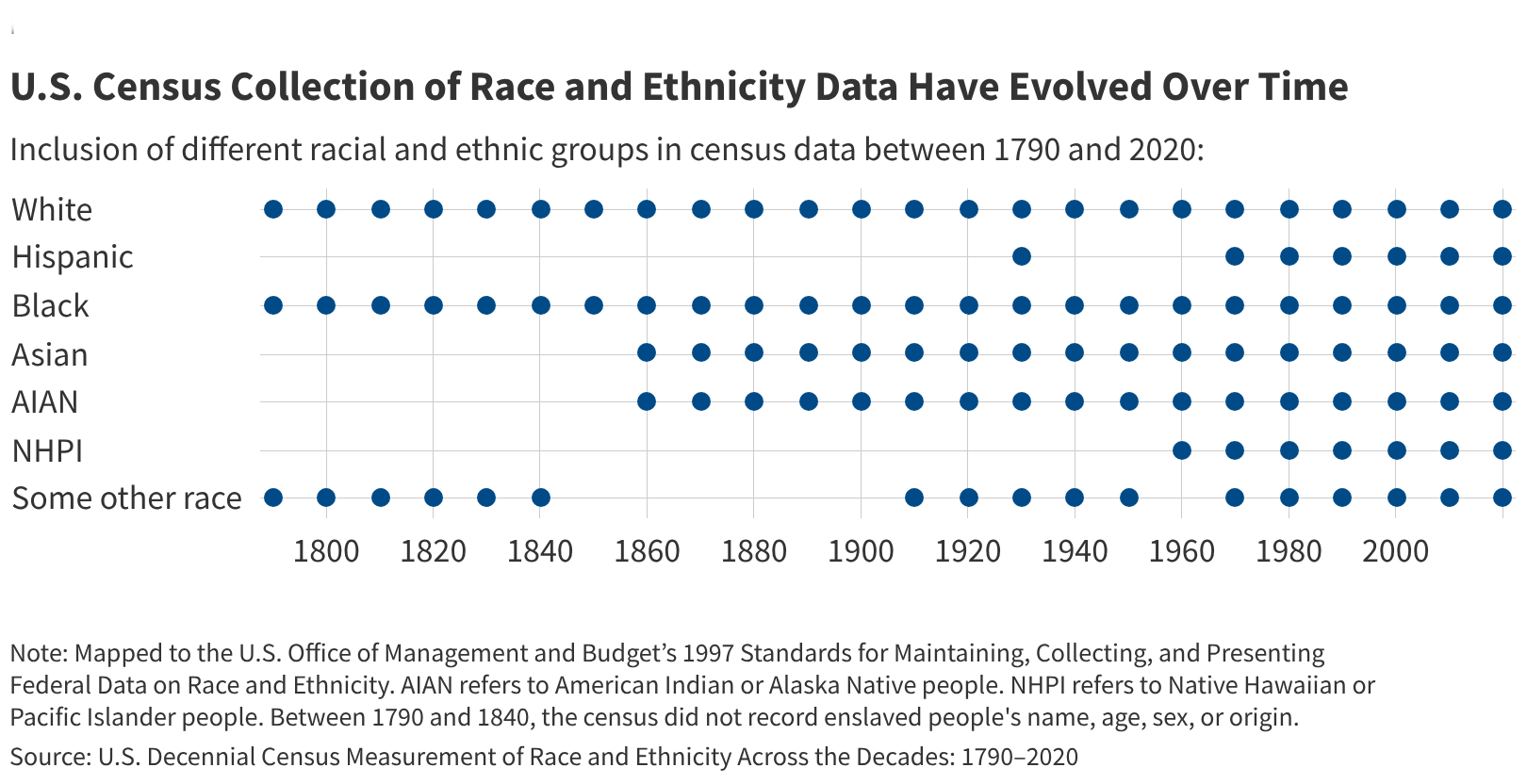
    There have been longstanding racial and ethnic disparities in health coverage that contribute to disparities in health. This brief examines trends in health coverage by race and ethnicity from 2010 through 2024 and discusses the implications for such disparities.
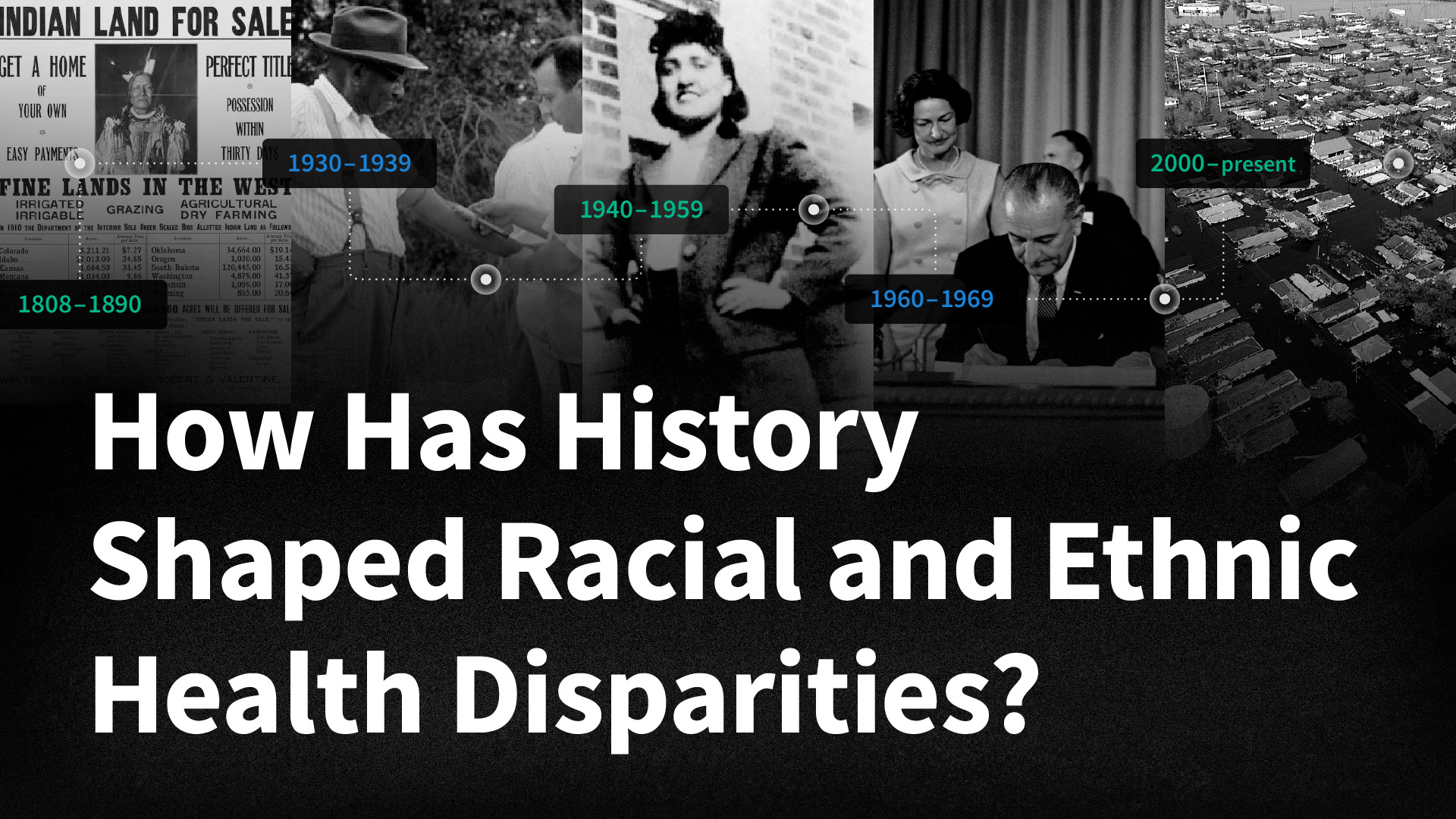
  • Timeline: How History Has Shaped Racial and Ethnic Health Disparities

    This timeline offers a historical view of significant U.S. federal policies and events spanning the early 1800s to today that have influenced present-day health disparities.
  • Health Policy 101: Chapter on Race, Inequality and Health

    Addressing persistent racial and ethnic disparities in health and health care is important for improving the nation’s health and economic prosperity. KFF explains such disparities and the factors that drive them, examines the actions to address them, and outlines future considerations.
  • Key Data on Health and Health Care by Race and Ethnicity

    Racial and ethnic disparities in health and health care remain a persistent challenge in the United States. An updated KFF resource examines how people of color fare compared to White people across 64 measures of health, health care, and social determinants of health.

Survey of Immigrants

KFF-New York Times Survey: Immigrants Report Rising Fear, Negative Economic and Health Impacts, and Changing Political Views During the First Year of President Trump’s Second Term

The 2025 Survey of Immigrants, a partnership between KFF and The New York Times, takes an in-depth look at the experiences of immigrants during the first year of President Trump’s second term, including their worries related to increased immigration enforcement, their health and economic wellbeing, and the political views and preferences of immigrant voters. The survey paints a portrait of families under strain — where fear of detention and economic instability are negatively impacting immigrants’ health and reshaping immigrant families’ daily lives and views of U.S. political parties.

Read the News Release | Explore The New York Times’ Reporting
Latest News

No Posts to Show

Stay informed.

Stay informed.

Filter

561 - 570 of 602 Results

  • New Analysis: Updated State Data Continues To Show Wide Disparities in COVID-19 Vaccination Rates by Race/Ethnicity

    News Release

    KFF has an updated analysis of state-reported data as of February 16, 2021 on COVID-19 vaccinations, cases, and deaths by race/ethnicity. New to the analysis are comparisons of vaccination rates in each racial/ethnic group based on state-reported data of total people who have received at least one dose of the vaccine. Among just over half of states reporting data, the vaccination rate among White people is over three times higher than the rate for Hispanic…

  • Most Hispanic Adults Lean Towards Getting a COVID-19 Vaccine, But Many Younger Adults are Hesitant

    News Release

    A new analysis of KFF COVID-19 Vaccine Monitor survey data finds that most Hispanic adults across the country want to get a COVID-19 vaccine at some point though younger adults are more hesitant, in part because of lower confidence that it is safe and effective. Overall a quarter (26%) of Hispanic adults say they will get a COVID-19 vaccine “as soon as possible” and an additional 43% say they will “wait until it has been…

  • Does Education Narrow the Gap in Wealth Among Older Adults, by Race and Ethnicity?

    Issue Brief

    This analysis of per capita income and assets among older adults in 2019 shows that differences in median per capita income among White, Black, and Hispanic adults ages 65 and older are narrower when comparing people with similar levels of education, although among college graduates, the gap in income continues to be wide between Hispanic and White seniors. The gaps in savings and home equity remain wide, and are particularly striking among seniors with less…

  • As the COVID-19 Pandemic Evolves, Disparities in Cases and Deaths for Black and Hispanic People Have Narrowed

    News Release

    As the COVID-19 pandemic’s focus shifts from urban to rural areas, and more people resume public activities, a new KFF analysis of case and death data from the Centers for Disease Control and Prevention reveals narrower disparities affecting Black and Hispanic people compared to White people now than earlier in the pandemic. The analysis examines trends in cases and deaths since early in the pandemic where race and ethnicity is known. While cumulative data show…

  • New Analysis: In Pursuit of a National Vaccination Benchmark, Hispanic and Black People’s Rates Projected to Lag Behind

    News Release

    Much attention has focused on President Biden’s stated goal of vaccinating 70% of U.S. adults by July 4th. While achieving a high overall vaccination rate is important for recovery from the COVID-19 pandemic, a new analysis of people ages 12 and older—a different population than President Biden’s goal, but one that is currently eligible for vaccination—projects that 65% will have received at least one dose by July 4th, but 63% of Hispanic people and only…

  • Report Examines the Role of Medicare and the Indian Health Service for American Indians and Alaska Natives

    News Release

    A new report from the Kaiser Family Foundation examines the role of both Medicare and the Indian Health Service (IHS) in providing access to health care for about 650,000 American Indians and Alaska Natives who are age 65 and older or who have permanent disabilities. While Medicare provides important health care coverage for most in this group, its relatively high cost-sharing and gaps in benefits can be problematic for American Indians and Alaska Native Medicare…

  • Perceptions of How Race & Ethnic Background Affect Medical Care

    Report

    This document is a summary of the findings from twelve separate focus groups conducted to better understand how race and ethnic background affect medical care. Seven of the focus groups were minority American health care consumers and the other five focus groups were largely white health care professionals and hospital administrators.

  • Minority Graduates of U.S. Medical Schools: Trends, 1950-1998

    Other Post

    While significant efforts have been made to increase minority representation in the medical profession, very little information about minority medical school graduates and minority physicians has been available to evaluate progress towards this goal. This report, prepared by the Association of American Medical Colleges, provides both trend information in minority medical graduates, as well as the current practice characteristics of minority physicians. It is the first product from a unique database developed from the archives…