Racial Equity and Health Policy

Survey of Immigrants

KFF-New York Times Survey: Immigrants Report Rising Fear, Negative Economic and Health Impacts, and Changing Political Views During the First Year of President Trump’s Second Term

The 2025 Survey of Immigrants, a partnership between KFF and The New York Times, takes an in-depth look at the experiences of immigrants during the first year of President Trump’s second term, including their worries related to increased immigration enforcement, their health and economic wellbeing, and the political views and preferences of immigrant voters. The survey paints a portrait of families under strain — where fear of detention and economic instability are negatively impacting immigrants’ health and reshaping immigrant families’ daily lives and views of U.S. political parties.

Read the News Release | Explore The New York Times’ Reporting
the Essentials
  • Disparities in Health and Health Care: 5 Key Questions and Answers

    This brief provides an introduction to what health and health care disparities are, why it is important to address them, what the status of disparities is today, recent federal actions to address disparities, and key issues related to addressing disparities in the future.
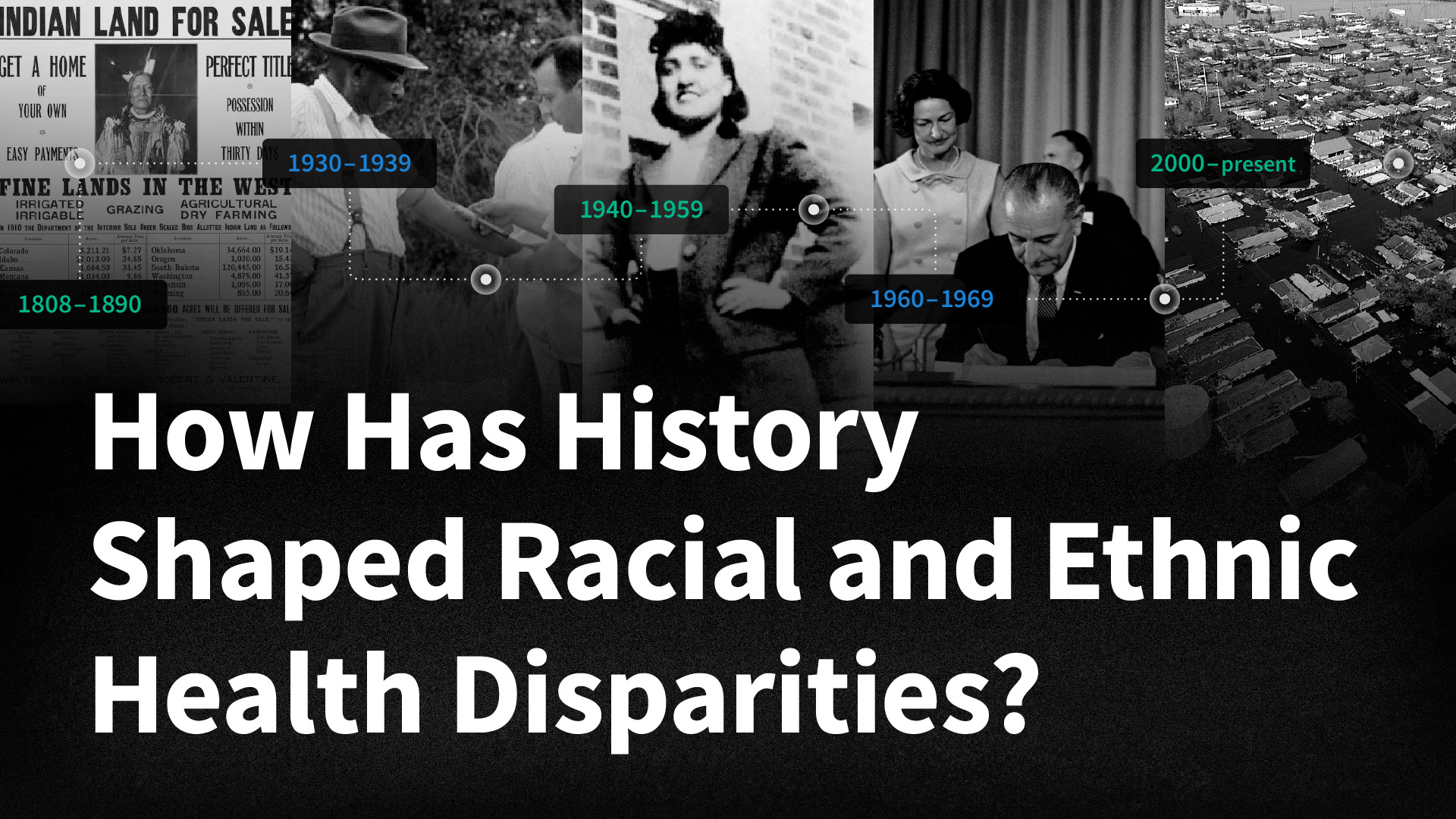
  • Timeline: How History Has Shaped Racial and Ethnic Health Disparities

    This timeline offers a historical view of significant U.S. federal policies and events spanning the early 1800s to today that have influenced present-day health disparities.
  • Health Policy 101: Chapter on Race, Inequality and Health

    Addressing persistent racial and ethnic disparities in health and health care is important for improving the nation’s health and economic prosperity. KFF explains such disparities and the factors that drive them, examines the actions to address them, and outlines future considerations.
  • Key Data on Health and Health Care by Race and Ethnicity

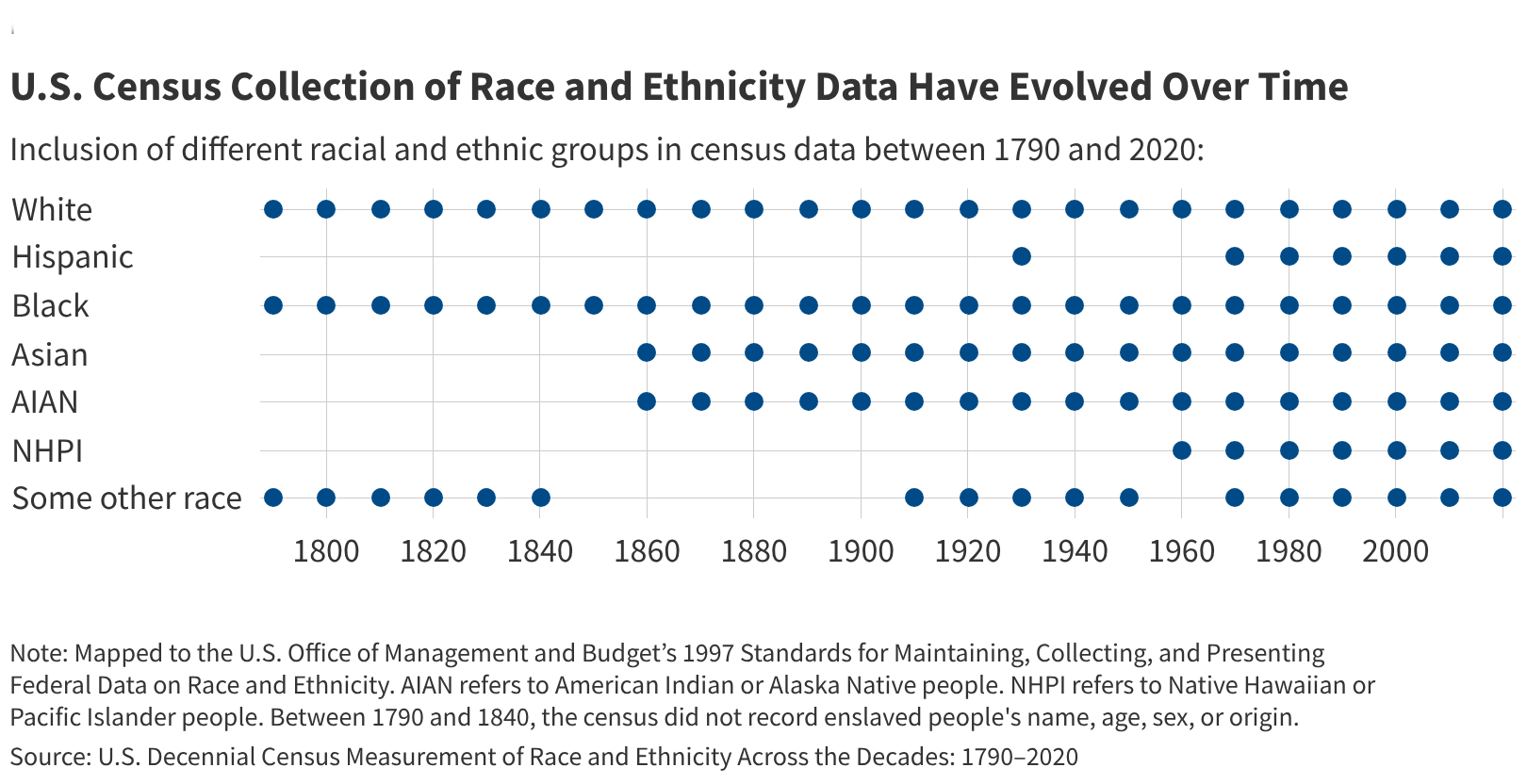
    Racial and ethnic disparities in health and health care remain a persistent challenge in the United States. An updated KFF resource examines how people of color fare compared to White people across 64 measures of health, health care, and social determinants of health.

Subscribe to KFF Emails

Choose which emails are best for you.
Sign up here

Filter

551 - 560 of 589 Results

  • Health Care in Puerto Rico and the U.S. Virgin Islands: A Six-Month Check-Up After the Storms (Report)

    Issue Brief

    Puerto Rico and the U.S. Virgin Islands suffered significant damage to their infrastructure and health care systems from Hurricanes Irma and Maria in September 2017. Drawing on interviews with residents and key stakeholders as well as public reports, this brief provides an overview of the status of the recovery efforts six months after the storms, with a focus on the health care systems.

  • Un año después de las tormentas: la recuperación y la atención de salud en Puerto Rico y las Islas Vírgenes de EE.UU. (Informe)

    Issue Brief

    Un año después que los huracanes Irma y María tocaran tierra, Puerto Rico y las Islas Vírgenes de EE.UU. (USVI) todavía sienten los efectos de las tormentas. Basándose en entrevistas con partes interesadas clave y en informes públicos, este reporte proporciona una visión general del estado de recuperación y los esfuerzos de preparación para la actual temporada de huracanes, un año después de las tormentas, enfocándose en los sistemas de atención de salud de los territorios.

  • Medicaid Financing Cliff: Implications for the Health Care Systems in Puerto Rico and USVI

    Issue Brief

    This brief provides an overview of the status of the health care systems and Medicaid programs in Puerto Rico and the U.S. Virgin Islands (USVI) about one and a half years after Hurricanes Irma and Maria struck the islands in September 2017. The hurricanes exacerbated the territories’ existing economic and health care challenges by accelerating outmigration of residents and health care providers and destroying homes, schools, health care facilities, and other infrastructure. After the storms, the territories’ Medicaid programs have served as important resources for addressing residents’ health care needs, but they have operated under longstanding financing challenges. This brief focuses on these challenges and includes KFF analysis of the implications for the territories’ Medicaid program finances, as most of the temporary federal Medicaid funds provided through the Affordable Care Act (ACA) and disaster relief are set to expire at the end of September 2019. The other U.S. territories (American Samoa, the Commonwealth of the Northern Mariana Islands, and Guam) also face challenges tied to the scheduled expiration of ACA funds.

  • Medicaid in the Territories: Program Features, Challenges, and Changes

    Issue Brief

    This brief draws on a survey of and interviews with Medicaid officials in U.S. Territories, as well as other research, to examine key issues and trends in their Medicaid programs. Territories differ from the states on key demographic, economic, and health status indicators. Unlike in the states, where federal Medicaid funding is not capped, and the federal share varies based on states’ per capita income, Medicaid in the territories is subject to a statutory cap and a fixed federal matching rate.

  • Race, Inequality, and Health

    Feature

    This Health Policy 101 chapter provides an overview of racial and ethnic disparities in health and health care and the factors that drive them, including the role of historical events and social and economic factors. It discusses why addressing disparities is important for health and economic prosperity, reviews recent federal policy actions that may impact disparities, and outlines future considerations.

  • Language Barriers in Health Care: Findings from the KFF Survey on Racism, Discrimination, and Health

    Poll Finding

    In the U.S., 26 million people have limited English proficiency, representing about 8% of people ages 5 and older. Those with limited English proficiency report worse overall health status than those who are English proficient, but data suggests that having access to providers who speak their preferred language may help these disparities and can improve health care experiences.