Racial Equity and Health Policy

the Essentials
  • Health Coverage by Race and Ethnicity, 2010-2024

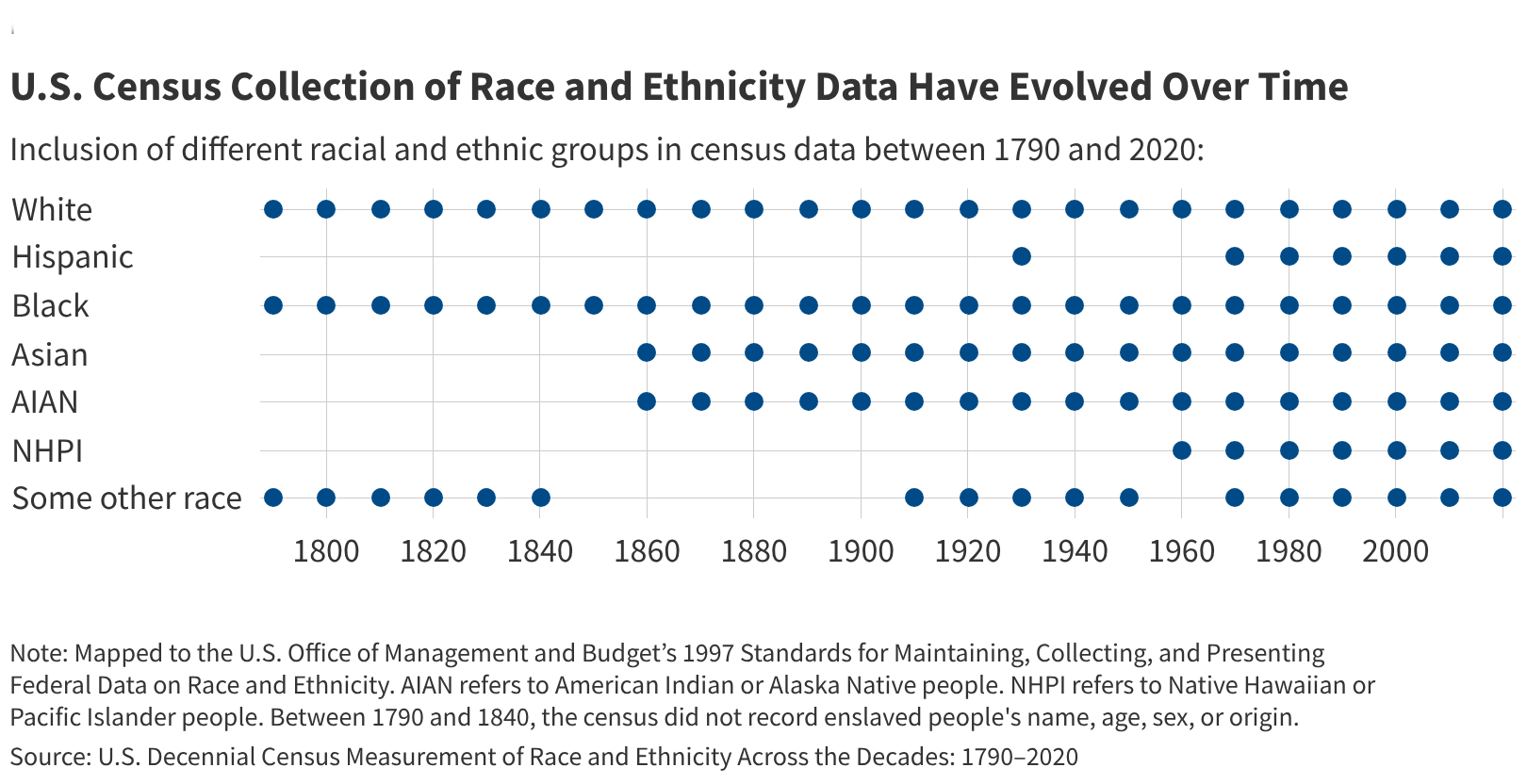
    There have been longstanding racial and ethnic disparities in health coverage that contribute to disparities in health. This brief examines trends in health coverage by race and ethnicity from 2010 through 2024 and discusses the implications for such disparities.
  • Timeline: How History Has Shaped Racial and Ethnic Health Disparities

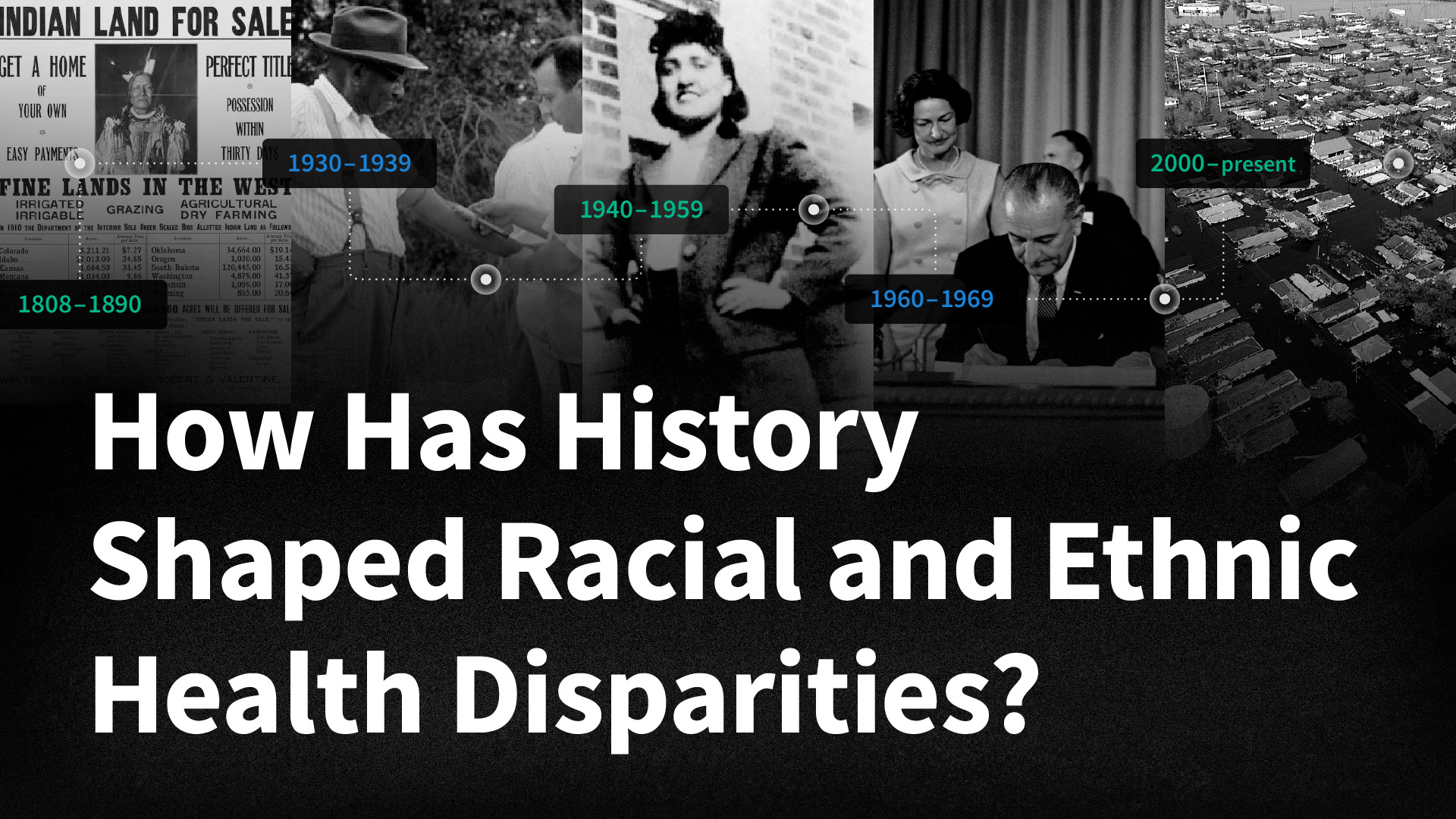
    This timeline offers a historical view of significant U.S. federal policies and events spanning the early 1800s to today that have influenced present-day health disparities.
  • Health Policy 101: Chapter on Race, Inequality and Health

    Addressing persistent racial and ethnic disparities in health and health care is important for improving the nation’s health and economic prosperity. KFF explains such disparities and the factors that drive them, examines the actions to address them, and outlines future considerations.
  • Key Data on Health and Health Care by Race and Ethnicity

    Racial and ethnic disparities in health and health care remain a persistent challenge in the United States. An updated KFF resource examines how people of color fare compared to White people across 64 measures of health, health care, and social determinants of health.

Survey of Immigrants

KFF-New York Times Survey: Immigrants Report Rising Fear, Negative Economic and Health Impacts, and Changing Political Views During the First Year of President Trump’s Second Term

The 2025 Survey of Immigrants, a partnership between KFF and The New York Times, takes an in-depth look at the experiences of immigrants during the first year of President Trump’s second term, including their worries related to increased immigration enforcement, their health and economic wellbeing, and the political views and preferences of immigrant voters. The survey paints a portrait of families under strain — where fear of detention and economic instability are negatively impacting immigrants’ health and reshaping immigrant families’ daily lives and views of U.S. political parties.

Read the News Release | Explore The New York Times’ Reporting
Subscribe to KFF Emails

Choose which emails are best for you.
Sign up here

Filter

481 - 490 of 602 Results

  • Resources Examine Racial and Ethnic Disparities Among Men at the State Level

    Other Post

    The Foundation has created a package of resources, including a comprehensive report, fact sheets and other materials, that document the persistence of disparities on 22 indicators between white men and men of color, including rates of diseases such as diabetes, heart disease, AIDS and cancer, and access to health insurance and health screenings. The resources provide a rare look at state-level variations, quantifying where disparities are greatest. Also available are state-level data for men of…

  • Women and Health Care: A National Profile

    Report

    A new national survey of women on their health finds that a substantial percentage of women cannot afford to go to the doctor or get prescriptions filled. Although a majority of women are in good health and satisfied with their health care, many have health problems and do not get adequate levels of preventive care. The report also examines women’s health status, health care costs, insurance, access to care, prevention, and their role in family…

  • Updated Brief on Racial Disparities in Maternal and Infant Health

    News Release

    An updated KFF issue brief on racial disparities in maternal and infant health includes new and updated analysis of data on pregnancy-related mortality, birth risks and infant mortality. The brief reviews the underlying factors contributing to maternal and infant health racial disparities, ranging from historical and ongoing racism to differences in access to health care and coverage and other social and economic factors that drive health. With recent attention to this issue by federal and state…

  • The U.S.-Mexico Border Region Faced a Range of Health Challenges Long Before the Current Immigration Surge

    News Release

    With intense immigration activity at the U.S.-Mexico border this year and attention focused on the plight of newly arriving migrants, a new KFF analysis finds communities along the border faced an array of socioeconomic challenges and weak health infrastructures well before this year’s surge. Texas – which has the most counties along the border and is the only border state that has not expanded Medicaid under the Affordable Care Act – stands out as facing…

  • Climate-Related Health Risks Among Workers: Who is at Increased Risk?

    Issue Brief

    Adults of color, noncitizens, and adults with lower educational attainment and incomes are disproportionately employed in occupations with increased climate-related health risks. Moreover, workers in occupations with increased climate-related health risks are more likely to be uninsured, contributing to challenges accessing health care.

  • 2023 Update on Key Federal Immigration Policies and Implications for Health

    Issue Brief

    This issue brief provides the latest update on some key evolving immigration policies, including Title 42 as it applies to border enforcement, the Deferred Action for Childhood Arrivals (DACA) program, and the public charge rule and discusses the implications of these policies for the health and well-being of immigrants.

  • Monkeypox (MPX) Cases and Vaccinations by Race/Ethnicity

    Issue Brief

    A small number of states, as well as some local jurisdictions, are reporting race/ethnicity data on MPX cases and vaccinations and these data show a disproportionate impact of MPX cases on Black and Hispanic people. The data available to date on vaccinations also suggest that Black and Hispanic people are receiving smaller shares of vaccinations despite accounting for larger shares of cases.

  • COVID-19 Cases, Deaths, and Vaccinations by Race/Ethnicity as of Winter 2022

    Issue Brief

    Over the course of the pandemic, racial disparities in cases and deaths have widened and narrowed. However, overall, Black, Hispanic, and American Indian and Alaska Native (AIAN) people have borne the heaviest health impacts of the pandemic. While Black and Hispanic people were less likely than their White counterparts to receive a vaccine during the initial phases of the vaccination rollout, these disparities have narrowed over time and reversed for Hispanic people.