Racial Equity and Health Policy

the Essentials
  • How Experiencing Racial Discrimination Impacts Health

    This brief highlights research examining mechanisms underlying health outcomes linked to self-reported experiences of racial discrimination, including biological changes, chronic stress, mental health, substance use, pregnancy-related outcomes, and sleep.
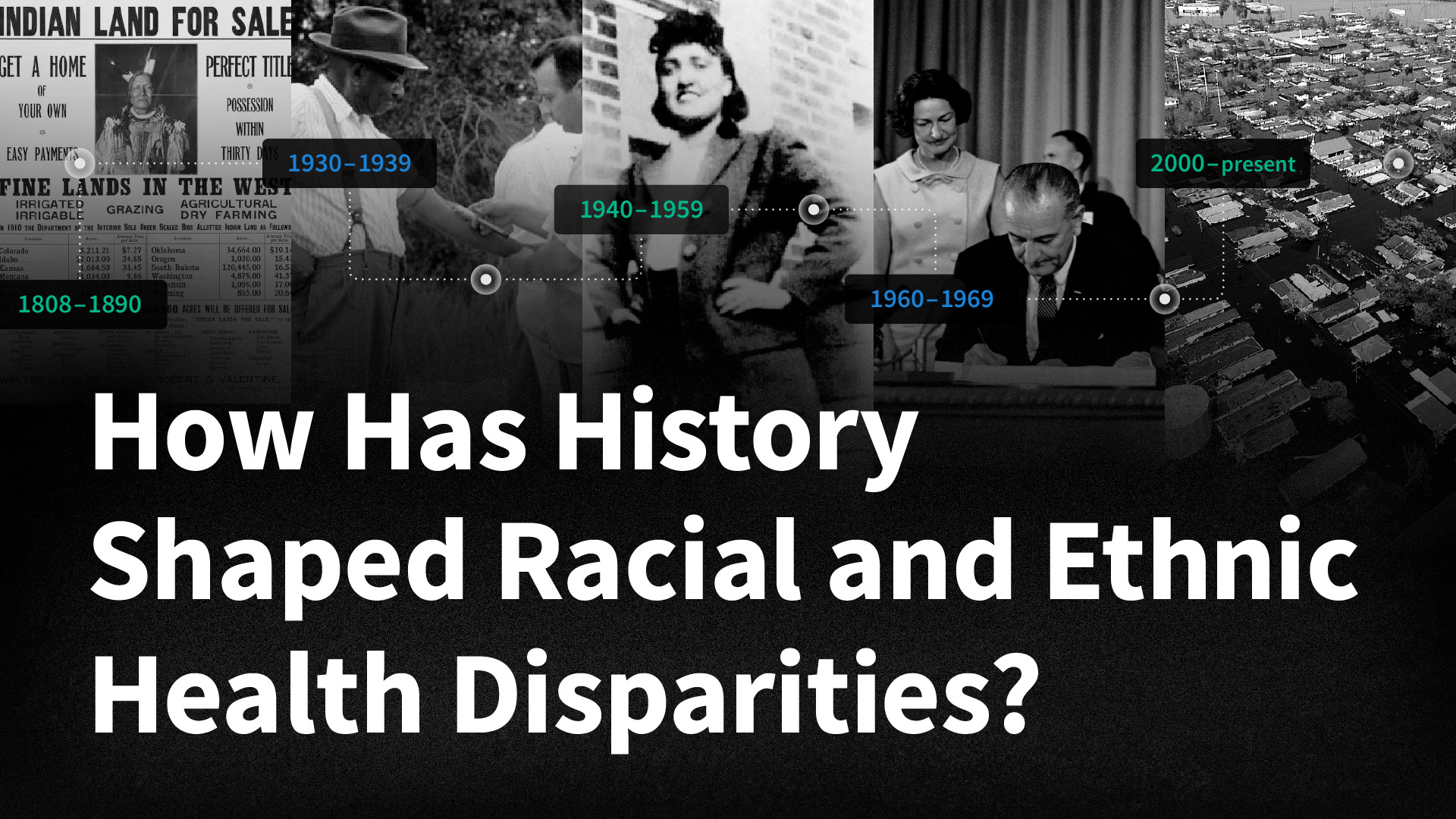
  • Timeline: How History Has Shaped Racial and Ethnic Health Disparities

    This timeline offers a historical view of significant U.S. federal policies and events spanning the early 1800s to today that have influenced present-day health disparities.
  • Health Policy 101: Chapter on Race, Inequality and Health

    Addressing persistent racial and ethnic disparities in health and health care is important for improving the nation’s health and economic prosperity. KFF explains such disparities and the factors that drive them, examines the actions to address them, and outlines future considerations.
  • Key Data on Health and Health Care by Race and Ethnicity

    Racial and ethnic disparities in health and health care remain a persistent challenge in the United States. An updated KFF resource examines how people of color fare compared to White people across 64 measures of health, health care, and social determinants of health.

Survey of Immigrants

KFF-New York Times Survey: Immigrants Report Rising Fear, Negative Economic and Health Impacts, and Changing Political Views During the First Year of President Trump’s Second Term

The 2025 Survey of Immigrants, a partnership between KFF and The New York Times, takes an in-depth look at the experiences of immigrants during the first year of President Trump’s second term, including their worries related to increased immigration enforcement, their health and economic wellbeing, and the political views and preferences of immigrant voters. The survey paints a portrait of families under strain — where fear of detention and economic instability are negatively impacting immigrants’ health and reshaping immigrant families’ daily lives and views of U.S. political parties.

Read the News Release | Explore The New York Times’ Reporting
Stay informed.

Stay informed.

Filter

331-340 of 606 results

  • A Review of Multiple Analyses Documents Persistent Racial Disparities in COVID-19

    News Release

    A KFF review of a wide range of studies finds a consistent pattern that people of color are bearing a disproportionate burden of COVID-19 cases, deaths, and hospitalizations, and that they may face increased barriers to access testing. These disparities, brought to the fore in the pandemic, mirror and compound longstanding underlying disparities in health and health care in the U.S. that stem from structural and systemic barriers across sectors, including racism and discrimination. Other…

  • Poll: Americans are Leaving Home More Often Now Than in April as States Ease Social Distancing Restrictions, though Coronavirus Fears Remain

    News Release

    As states continue to ease social distancing restrictions, Americans are leaving their homes more often to shop, visit close family and friends and go to work than they did in April in spite of their concerns about contracting coronavirus, the latest KFF tracking poll finds. The poll finds 9 in 10 (89%) adults say they left their home to shop for food, medicine, or essential household items in the past week, including 61% who say…

  • Atención de salud en Puerto Rico y las Islas Vírgenes de los Estados Unidos: una revisión, a seis meses de las tormentas (Informe)

    Issue Brief

    Puerto Rico y las Islas Vírgenes de los Estados Unidos (USVI) sufrieron daños significativos en su infraestructura y sistemas de salud a causa del impacto de los huracanes Irma y María en septiembre de 2017. Basándose en entrevistas con residentes, partes interesadas clave, y en informes públicos, este informe proporciona una visión general del estado de los esfuerzos de recuperación, a seis meses de las tormentas, con un enfoque en los sistemas de atención médica.

  • Beyond Health Care: The Role of Social Determinants in Promoting Health and Health Equity

    Issue Brief

    Research demonstrates that improving population health and achieving health equity will require broad approaches that address social, economic, and environmental factors that influence health. This brief provides an overview of the broad factors that influence health and describes efforts to address them, including initiatives within Medicaid.

  • Analysis: Workers Increasingly Have Access to Same-Sex Spousal Benefits 

    News Release

    While workplace health benefits for married same-sex spouses are becoming more common, new data from KFF’s 2018 Employer Health Benefits Survey shows they still lag behind benefits available to opposite sex-spouses. In 2018, nearly two-thirds (63%) of employers offering health insurance coverage to opposite-sex spouses also provided coverage to same-sex spouses – up significantly from 2016, when fewer than half (43%) did. Few (6%) say they do not offer same-sex spousal benefits, while others, mostly…

  • Un año después de las tormentas: la recuperación y la atención de salud en Puerto Rico y las Islas Vírgenes de EE.UU. (Informe)

    Issue Brief

    Un año después que los huracanes Irma y María tocaran tierra, Puerto Rico y las Islas Vírgenes de EE.UU. (USVI) todavía sienten los efectos de las tormentas. Basándose en entrevistas con partes interesadas clave y en informes públicos, este reporte proporciona una visión general del estado de recuperación y los esfuerzos de preparación para la actual temporada de huracanes, un año después de las tormentas, enfocándose en los sistemas de atención de salud de los…

  • One Year after Hurricanes Irma and Maria, Recovery Has Progressed Slowly in Puerto Rico and the U.S. Virgin Islands and Health Care Challenges Remain, Particularly in Mental Health

    News Release

    One year after Hurricanes Irma and Maria made landfall, recovery has progressed slowly and unevenly in Puerto Rico and the U.S. Virgin Islands. The territories’ health care systems continue to face capacity, infrastructure and financial challenges even as health needs have increased, especially in mental health, according to two new reports from the Kaiser Family Foundation. The reports, drawing upon interviews with government and health officials from both territories, public documents and data, and an…

  • Understanding Racial and Ethnic Identity in Federal Data and Impacts for Health Disparities

    Issue Brief

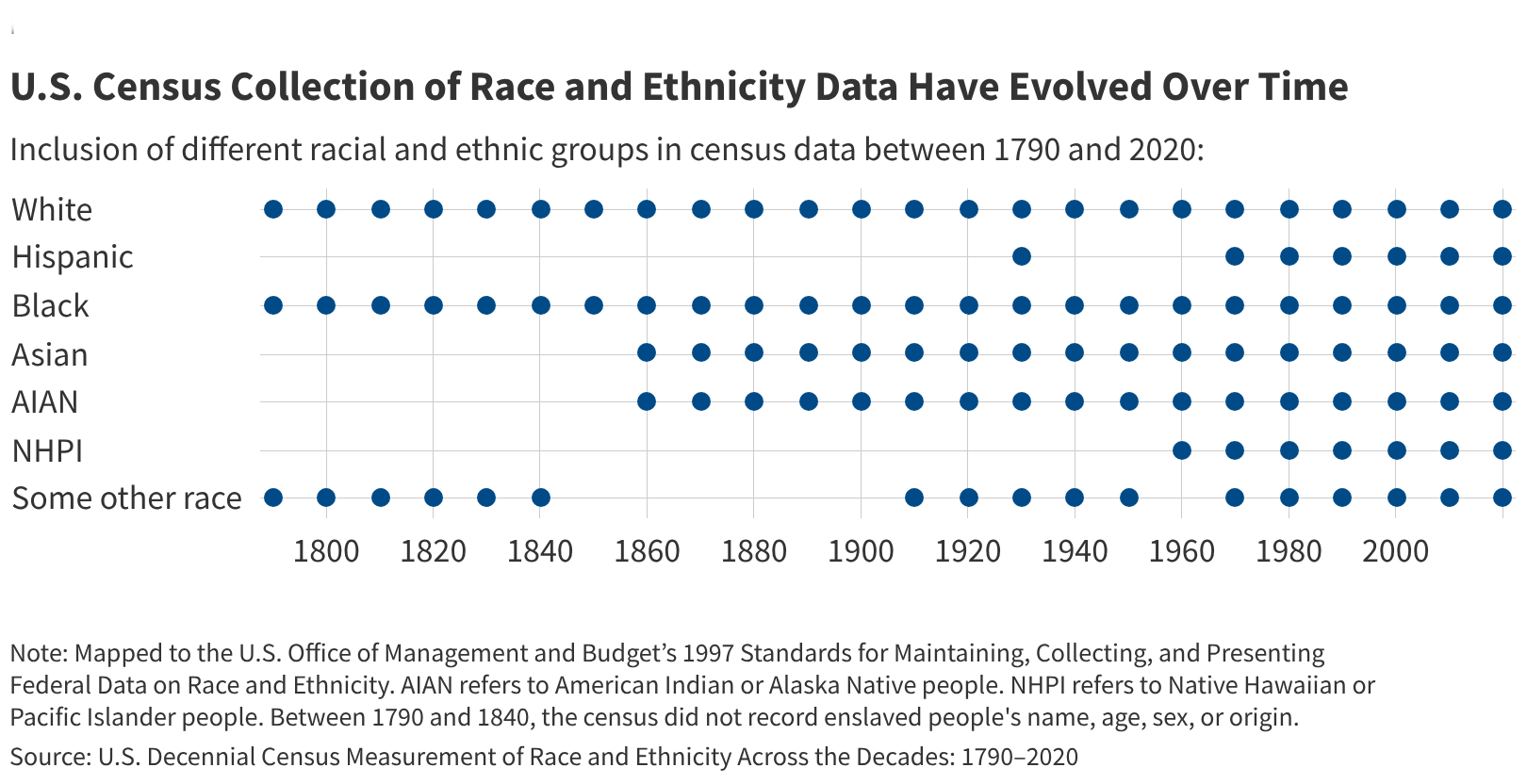
    How race, ethnicity, and nationality have been defined and measured has important implications for health disparities, affecting who can access health, social, and economic resources. While narrow and inconsistent race and ethnicity categories have obscured inequities and limited the ability to address the diverse needs of different populations, data on race and ethnicity have also been used to address disparities by informing policies and interventions.