Racial Equity and Health Policy

the Essentials
  • How Experiencing Racial Discrimination Impacts Health

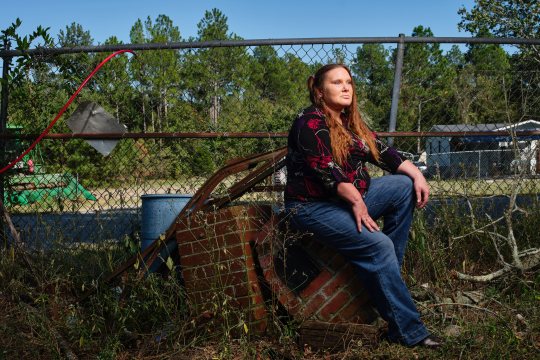
    This brief highlights research examining mechanisms underlying health outcomes linked to self-reported experiences of racial discrimination, including biological changes, chronic stress, mental health, substance use, pregnancy-related outcomes, and sleep.
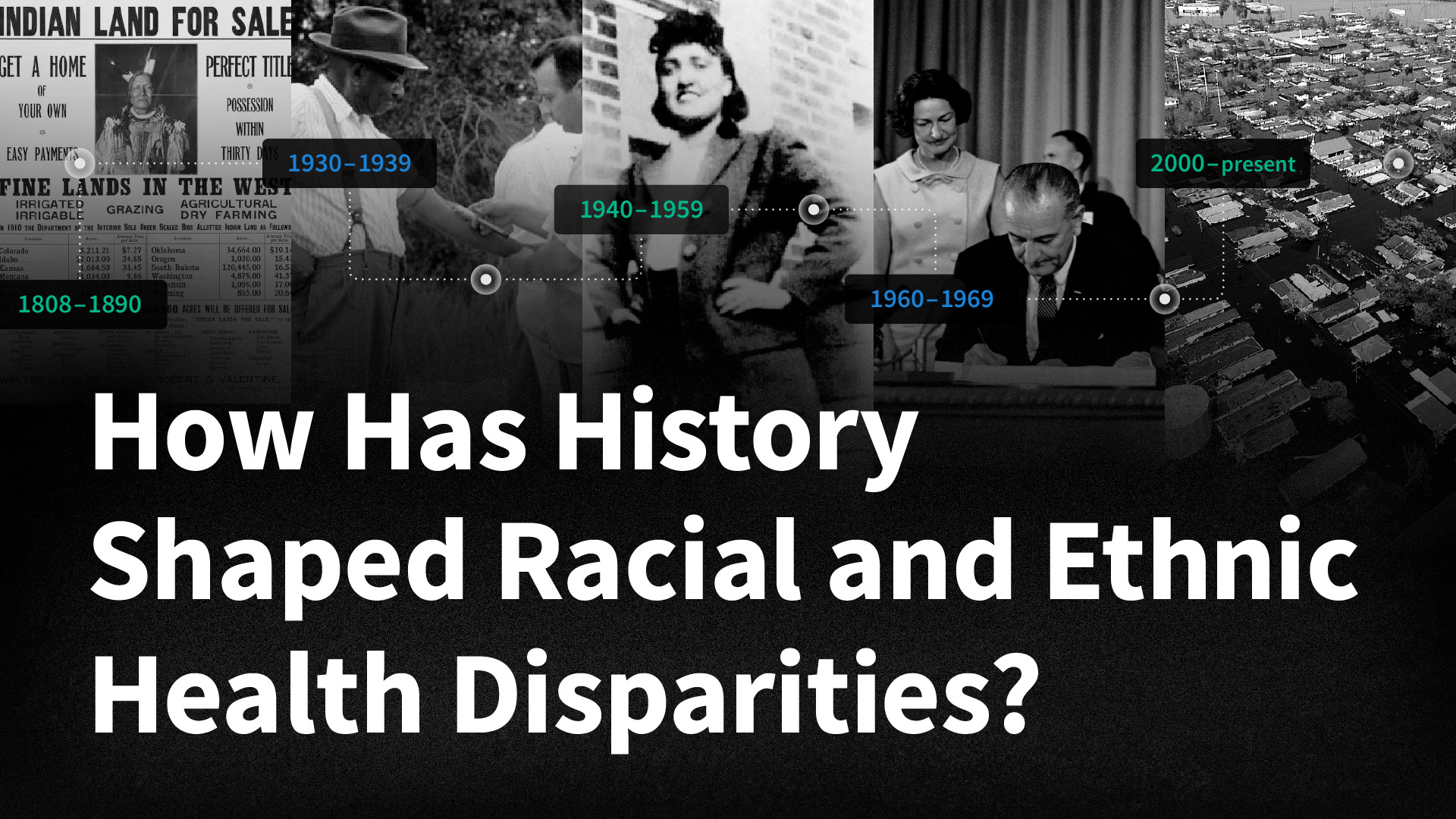
  • Timeline: How History Has Shaped Racial and Ethnic Health Disparities

    This timeline offers a historical view of significant U.S. federal policies and events spanning the early 1800s to today that have influenced present-day health disparities.
  • Health Policy 101: Chapter on Race, Inequality and Health

    Addressing persistent racial and ethnic disparities in health and health care is important for improving the nation’s health and economic prosperity. KFF explains such disparities and the factors that drive them, examines the actions to address them, and outlines future considerations.
  • Key Data on Health and Health Care by Race and Ethnicity

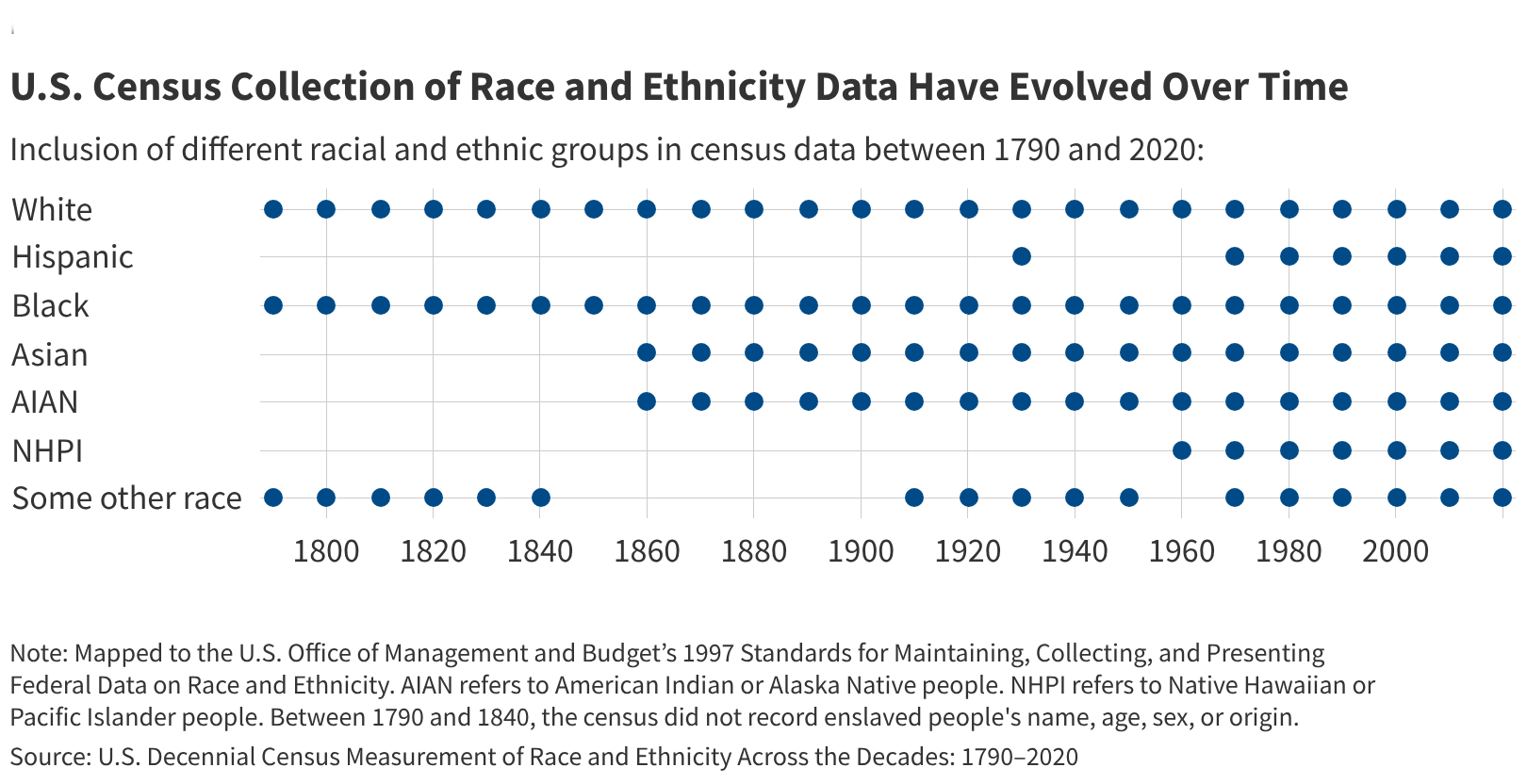
    Racial and ethnic disparities in health and health care remain a persistent challenge in the United States. An updated KFF resource examines how people of color fare compared to White people across 64 measures of health, health care, and social determinants of health.

Survey of Immigrants

KFF-New York Times Survey: Immigrants Report Rising Fear, Negative Economic and Health Impacts, and Changing Political Views During the First Year of President Trump’s Second Term

The 2025 Survey of Immigrants, a partnership between KFF and The New York Times, takes an in-depth look at the experiences of immigrants during the first year of President Trump’s second term, including their worries related to increased immigration enforcement, their health and economic wellbeing, and the political views and preferences of immigrant voters. The survey paints a portrait of families under strain — where fear of detention and economic instability are negatively impacting immigrants’ health and reshaping immigrant families’ daily lives and views of U.S. political parties.

Read the News Release | Explore The New York Times’ Reporting
Stay informed.

Stay informed.

Filter

321-330 of 606 results

  • U.S. Virgin Islands: Fast Facts

    Fact Sheet

    This fact sheet presents demographic, economic, and health indicators of the U.S. Virgin Islands and briefly discusses some of the territory's short and long-term challenges facing the territory after Hurricanes Irma and Maria struck the island in September 2017.

  • Health Coverage for the Hispanic Population Today and Under the Affordable Care Act

    Report

    The more than 50 million Hispanics living in the United States make up 17 percent of the total population and are the nation's fastest growing racial or ethnic group. Many Hispanics continue to face disparities in health coverage and care, and they have the highest uninsured rate among racial/ethnic groups, with nearly one in three lacking coverage. This brief provides an overview of the Hispanic population in the U.S., their health coverage today and the…

  • Advancing Health Equity Requires More and Better Data

    Policy Watch

    Increasing availability of high-quality comprehensive data disaggregated by race/ethnicity is a prerequisite for efforts to advance health equity, not only related to COVID-19 but in health and health care more broadly.

  • New Analysis: In Pursuit of a National Vaccination Benchmark, Hispanic and Black People’s Rates Projected to Lag Behind

    News Release

    Much attention has focused on President Biden’s stated goal of vaccinating 70% of U.S. adults by July 4th. While achieving a high overall vaccination rate is important for recovery from the COVID-19 pandemic, a new analysis of people ages 12 and older—a different population than President Biden’s goal, but one that is currently eligible for vaccination—projects that 65% will have received at least one dose by July 4th, but 63% of Hispanic people and only…

  • Climate-Related Health Risks Among Workers: Who is at Increased Risk?

    Issue Brief

    Adults of color, noncitizens, and adults with lower educational attainment and incomes are disproportionately employed in occupations with increased climate-related health risks. Moreover, workers in occupations with increased climate-related health risks are more likely to be uninsured, contributing to challenges accessing health care.

  • News Release

    During the COVID-19 Pandemic, People of Color Were More Likely to Die at Younger Ages

    News Release

    The Nation Overall Also Experienced Higher Rates of Premature Deaths than Peer Countries During the COVID-19 pandemic, people of color on average died at younger ages than White adults, resulting in substantial racial disparities in premature death and years of life lost, a new analysis finds. The analysis examines the Centers for Disease Control and Prevention’s excess deaths statistics during the pandemic, which captures not only deaths caused by COVID-19 but also higher-than-expected deaths from…

  • Gaps in Mental Health Care for Asian and Pacific Islander People and Other People of Color

    Policy Watch

    Response to the victims and communities affected by recent mass shootings has increased national attention to mental health care for Asian and NHOPI people, groups that too often remain overlooked in data and policy discussions related to health disparities. In this analysis, we explore mental illness and low utilization of mental health services among Asian and NHOPI people.

  • Vaccine Hesitancy Among Hispanic Adults

    Poll Finding

    Based on data from the KFF COVID-19 Vaccine Monitor, this poll finding explores attitudes among Hispanic Americans toward the coronavirus and a generational gap in willingness to get a potential vaccine.