Racial Equity and Health Policy

the Essentials
  • Health Coverage by Race and Ethnicity, 2010-2024

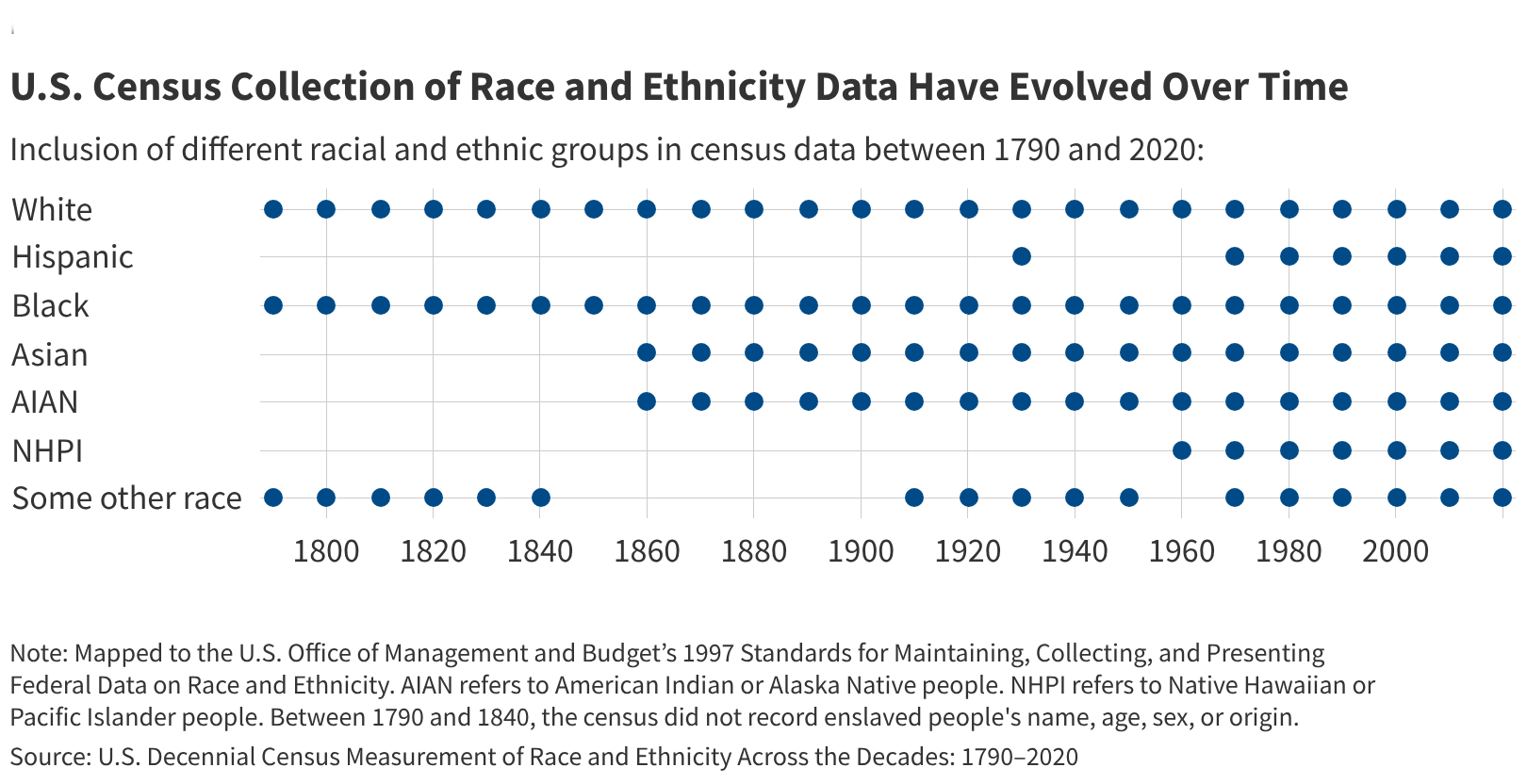
    There have been longstanding racial and ethnic disparities in health coverage that contribute to disparities in health. This brief examines trends in health coverage by race and ethnicity from 2010 through 2024 and discusses the implications for such disparities.
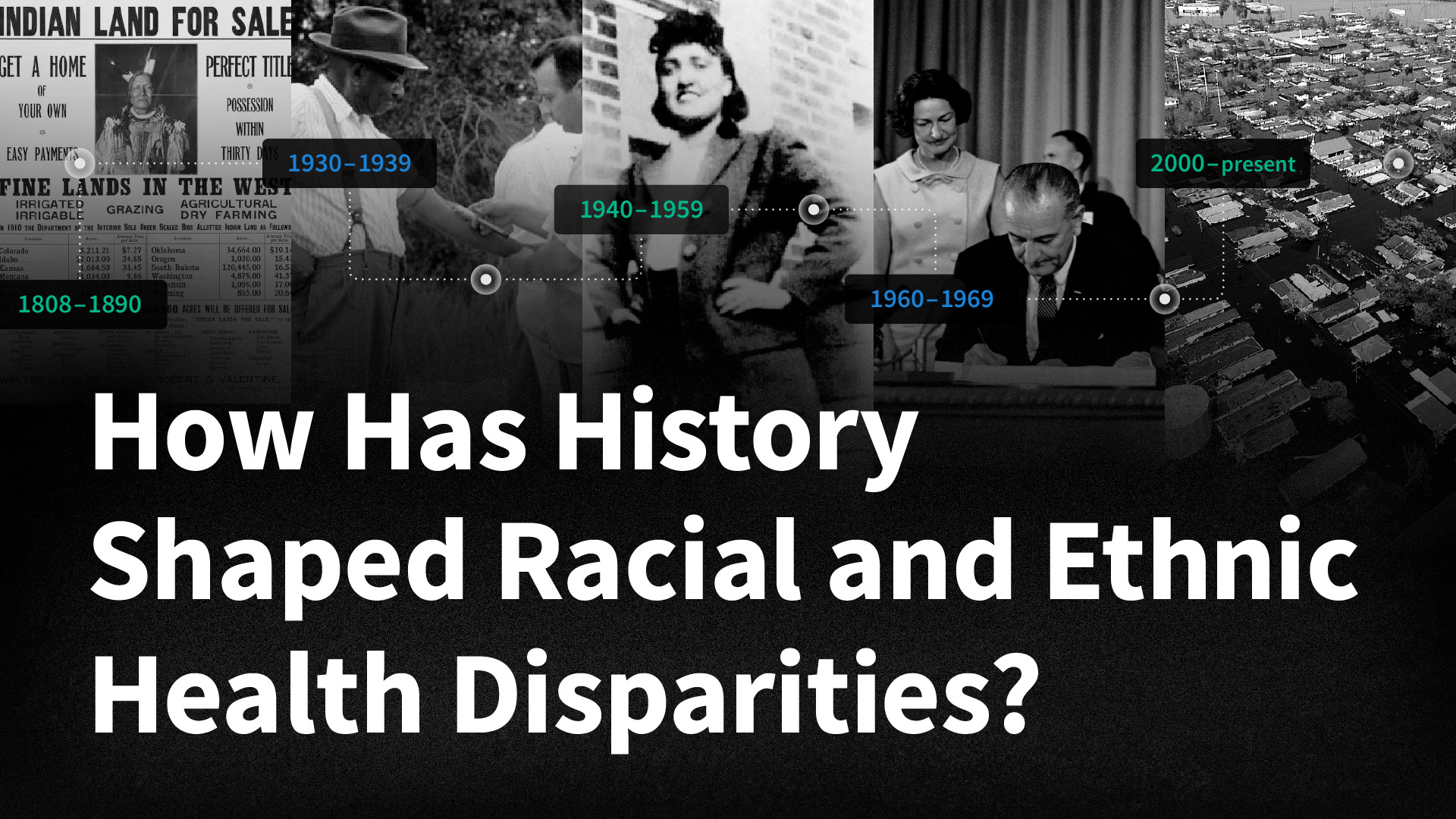
  • Timeline: How History Has Shaped Racial and Ethnic Health Disparities

    This timeline offers a historical view of significant U.S. federal policies and events spanning the early 1800s to today that have influenced present-day health disparities.
  • Health Policy 101: Chapter on Race, Inequality and Health

    Addressing persistent racial and ethnic disparities in health and health care is important for improving the nation’s health and economic prosperity. KFF explains such disparities and the factors that drive them, examines the actions to address them, and outlines future considerations.
  • Key Data on Health and Health Care by Race and Ethnicity

    Racial and ethnic disparities in health and health care remain a persistent challenge in the United States. An updated KFF resource examines how people of color fare compared to White people across 64 measures of health, health care, and social determinants of health.

Survey of Immigrants

KFF-New York Times Survey: Immigrants Report Rising Fear, Negative Economic and Health Impacts, and Changing Political Views During the First Year of President Trump’s Second Term

The 2025 Survey of Immigrants, a partnership between KFF and The New York Times, takes an in-depth look at the experiences of immigrants during the first year of President Trump’s second term, including their worries related to increased immigration enforcement, their health and economic wellbeing, and the political views and preferences of immigrant voters. The survey paints a portrait of families under strain — where fear of detention and economic instability are negatively impacting immigrants’ health and reshaping immigrant families’ daily lives and views of U.S. political parties.

Read the News Release | Explore The New York Times’ Reporting
Stay informed.

Stay informed.

Filter

281 - 290 of 602 Results

  • Infant Mortality by Race/Ethnicity, 2007

    Feature

    Infant Mortality by Race/Ethnicity, 2007 Download Source Centers for Disease Control and Prevention. National Center for Health Statistics. June 2011. http://www.cdc.gov/nchs/data/nvsr/nvsr59/nvsr59_06.pdf   

  • Voices from Puerto Rico: Reflections Two Months After Maria (Report)

    Issue Brief

    Two months after Maria made landfall, Kaiser Family Foundation staff traveled to Puerto Rico. This brief presents findings from focus groups and individual interviews with 40 individuals from 10 different regions on the island affected by the storm.

  • Navigating Recovery: Health Care Financing and Delivery Systems in Puerto Rico and US Virgin Islands

    Issue Brief

    This brief identifies key issues and short and long-term options for recovery around the health care financing and delivery systems in Puerto Rico and the U.S. Virgin Islands following Hurricanes Irma and Maria, which caused significant physical damage to the territories. It draws on insights from a Nov. 30 roundtable discussion with leaders and experts representing a variety of perspectives on Medicaid policy, health insurance and care delivery systems, and disaster recovery.

  • Key Health Implications of Separation of Families at the Border (as of June 27, 2018)

    Fact Sheet

    This fact sheet examines key health implications of separating immigrant children from their parents at the border, as of June 27, 2018. The practice came to light after implementation of the Trump Administration's zero tolerance policy for individuals entering into the U.S. without authorization. Research shows that separating children from their parents exposes them to trauma and toxic stress that can have lifelong impacts on their health.

  • Medicaid in the Territories: Program Features, Challenges, and Changes

    Issue Brief

    This brief draws on a survey of and interviews with Medicaid officials in U.S. Territories, as well as other research, to examine key issues and trends in their Medicaid programs. Territories differ from the states on key demographic, economic, and health status indicators. Unlike in the states, where federal Medicaid funding is not capped, and the federal share varies based on states’ per capita income, Medicaid in the territories is subject to a statutory cap…

  • Medical Care Research and Review

    Other Post

    Journal Supplement This special supplement of includes: original research tracking trends in disparities in health coverage and access to care over two decades; literature syntheses focused on medical treatment and the decision-making process; legal analysis of civil rights laws in the context of managed care; and findings from a national survey of public awareness of racial inequities in care. The supplement is comprised of work commissioned by the Foundation for its 1999 national policy roundtable,…

  • Race, Ethnicity & Medical Care: A Survey of Public Perceptions and Experiences

    Poll Finding

    Toplines This is a copy of the results of a telephone survey conducted on a random, national sample of nearly 4,000 African American, Latino and white adults, 18 years of age and older. The questions were designed to reveal what each respondent believed about the impact of race and ethnicity on medical care today. Some questions asked about respondents' experiences and others asked about their perceptions. Toplines/Survey Chart Pack This chartpack includes a number of…

  • Key Facts: Race, Ethnicity and Medical Care

    Report

    The Kaiser Family Foundation's updated version of Key Facts: Race, Ethnicity and Medical Care, 2007 Update, serves as a quick reference source on health disparities, presenting the best available data and analysis. This report includes data on the uninsured and access to care by race/ethnicity as well as information about the disproportionate effect that specific conditions such as diabetes, HIV/AIDS, and asthma have on racial and ethnic minority populations in the U.S. New in the 2007…