Racial Equity and Health Policy

Survey of Immigrants

KFF-New York Times Survey: Immigrants Report Rising Fear, Negative Economic and Health Impacts, and Changing Political Views During the First Year of President Trump’s Second Term

The 2025 Survey of Immigrants, a partnership between KFF and The New York Times, takes an in-depth look at the experiences of immigrants during the first year of President Trump’s second term, including their worries related to increased immigration enforcement, their health and economic wellbeing, and the political views and preferences of immigrant voters. The survey paints a portrait of families under strain — where fear of detention and economic instability are negatively impacting immigrants’ health and reshaping immigrant families’ daily lives and views of U.S. political parties.

Read the News Release | Explore The New York Times’ Reporting
the Essentials
  • Disparities in Health and Health Care: 5 Key Questions and Answers

    This brief provides an introduction to what health and health care disparities are, why it is important to address them, what the status of disparities is today, recent federal actions to address disparities, and key issues related to addressing disparities in the future.
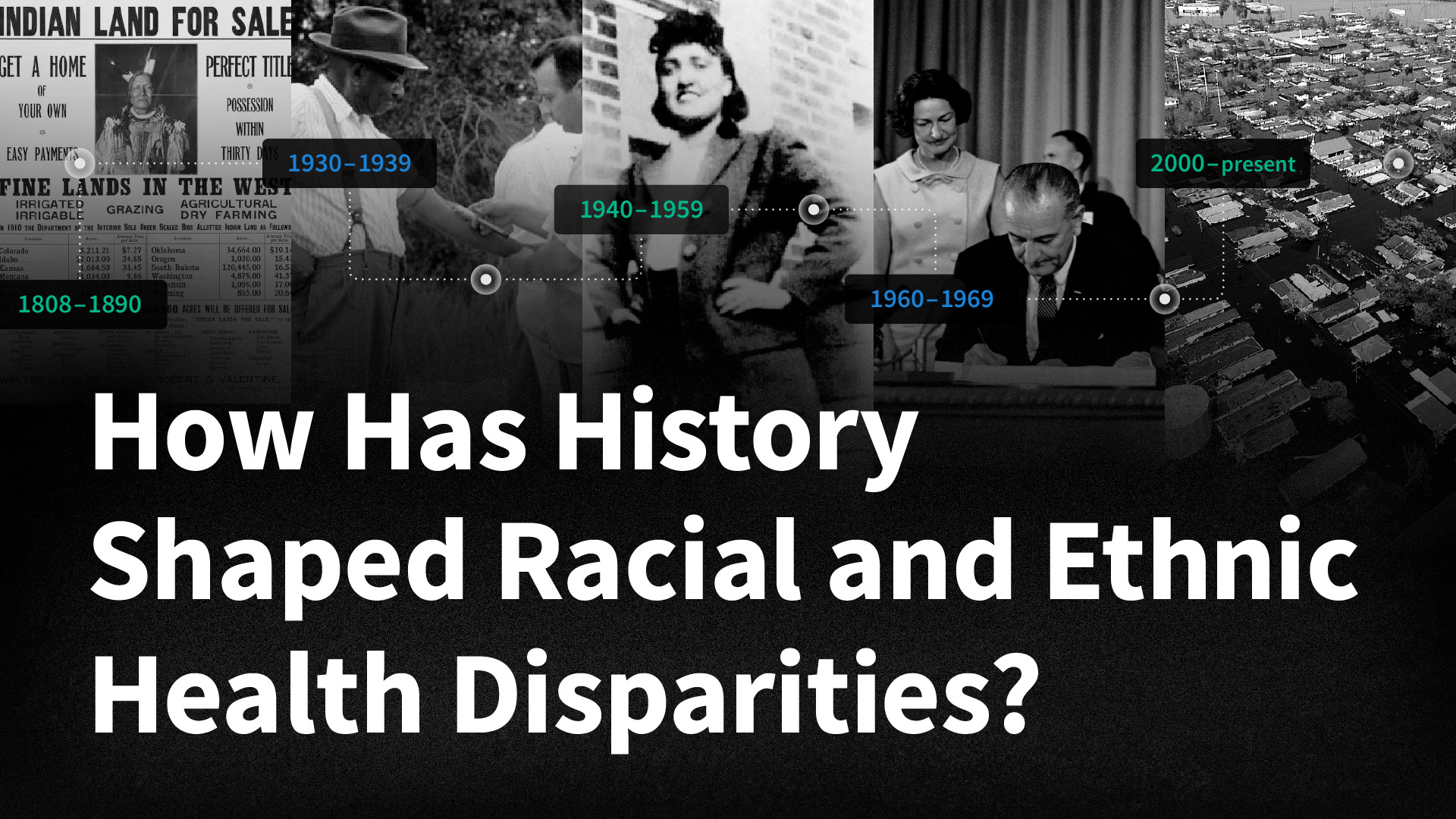
  • Timeline: How History Has Shaped Racial and Ethnic Health Disparities

    This timeline offers a historical view of significant U.S. federal policies and events spanning the early 1800s to today that have influenced present-day health disparities.
  • Health Policy 101: Chapter on Race, Inequality and Health

    Addressing persistent racial and ethnic disparities in health and health care is important for improving the nation’s health and economic prosperity. KFF explains such disparities and the factors that drive them, examines the actions to address them, and outlines future considerations.
  • Key Data on Health and Health Care by Race and Ethnicity

    Racial and ethnic disparities in health and health care remain a persistent challenge in the United States. An updated KFF resource examines how people of color fare compared to White people across 64 measures of health, health care, and social determinants of health.

Subscribe to KFF Emails

Choose which emails are best for you.
Sign up here

Filter

251 - 260 of 596 Results

  • Medicaid Administrative Data: Challenges with Race, Ethnicity, and Other Demographic Variables

    Issue Brief

    There are persistent disparities in health and health care for people of color, which reflect structural and systemic inequities rooted in racism and discrimination. High-quality comprehensive data are key to enabling policymakers, community leaders, and other key stakeholders to identify and address these inequities and measure progress over time. Medicaid/CHIP administrative data, also known as Transformed Medicaid Statistical Information System (T-MSIS) or TAF (T-MSIS Analytic File), hold the potential to inform disparities research through detailed demographic, service utilization, and spending data of Medicaid and CHIP beneficiaries —but there are current limitations.

  • Health and Health Care for Indigenous People

    Feature

    November marks National Native American Heritage Month, during which the U.S. recognizes the culture, heritage, and contributions of Indigenous people including those from American Indian, Alaskan Native, Native Hawaiian, and Pacific Island communities.

  • Health and Health Care for Hispanic People

    Feature

    September marks National Hispanic American Heritage Month during which the U.S. recognizes the achievements and contributions of Hispanic people.

  • Does Education Narrow the Gap in Wealth Among Older Adults, by Race and Ethnicity?

    Issue Brief

    This analysis of per capita income and assets among older adults in 2019 shows that differences in median per capita income among White, Black, and Hispanic adults ages 65 and older are narrower when comparing people with similar levels of education, although among college graduates, the gap in income continues to be wide between Hispanic and White seniors. The gaps in savings and home equity remain wide, and are particularly striking among seniors with less than a high school education. The patterns are similar for men and women, as well as across different age groups of older adults.

  • Vaccine Monitor: Nearly Half of the Public Wants to Get a COVID-19 Vaccine as Soon as They Can or Has Already Been Vaccinated, Up across Racial and Ethnic Groups Since December

    News Release

    Most Convincing Messages to Promote Vaccination Highlight Effectiveness at Preventing Illness and a Return to Normal Life; Hearing about Rare Allergic Reactions and Side Effects May Discourage Some New KFF Dashboard Features Key Data and Insights from the Vaccine Monitor With millions of Americans getting their first COVID-19 vaccinations, the public’s eagerness to get a…

  • Understanding Racial and Ethnic Identity in Federal Data and Impacts for Health Disparities

    Issue Brief

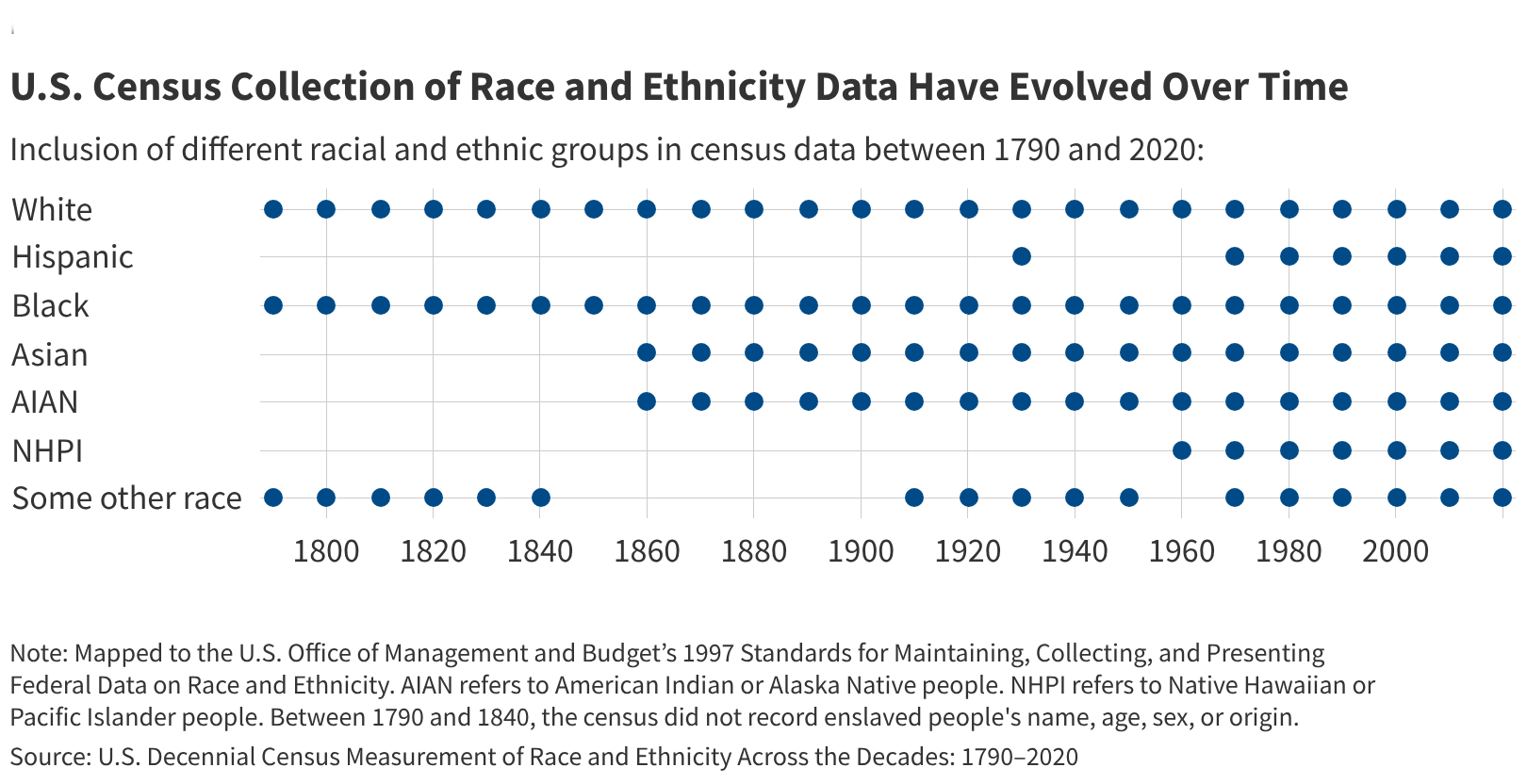
    How race, ethnicity, and nationality have been defined and measured has important implications for health disparities, affecting who can access health, social, and economic resources. While narrow and inconsistent race and ethnicity categories have obscured inequities and limited the ability to address the diverse needs of different populations, data on race and ethnicity have also been used to address disparities by informing policies and interventions.