Racial Equity and Health Policy

Survey of Immigrants

KFF-New York Times Survey: Immigrants Report Rising Fear, Negative Economic and Health Impacts, and Changing Political Views During the First Year of President Trump’s Second Term

The 2025 Survey of Immigrants, a partnership between KFF and The New York Times, takes an in-depth look at the experiences of immigrants during the first year of President Trump’s second term, including their worries related to increased immigration enforcement, their health and economic wellbeing, and the political views and preferences of immigrant voters. The survey paints a portrait of families under strain — where fear of detention and economic instability are negatively impacting immigrants’ health and reshaping immigrant families’ daily lives and views of U.S. political parties.

Read the News Release | Explore The New York Times’ Reporting
the Essentials
  • Disparities in Health and Health Care: 5 Key Questions and Answers

    This brief provides an introduction to what health and health care disparities are, why it is important to address them, what the status of disparities is today, recent federal actions to address disparities, and key issues related to addressing disparities in the future.
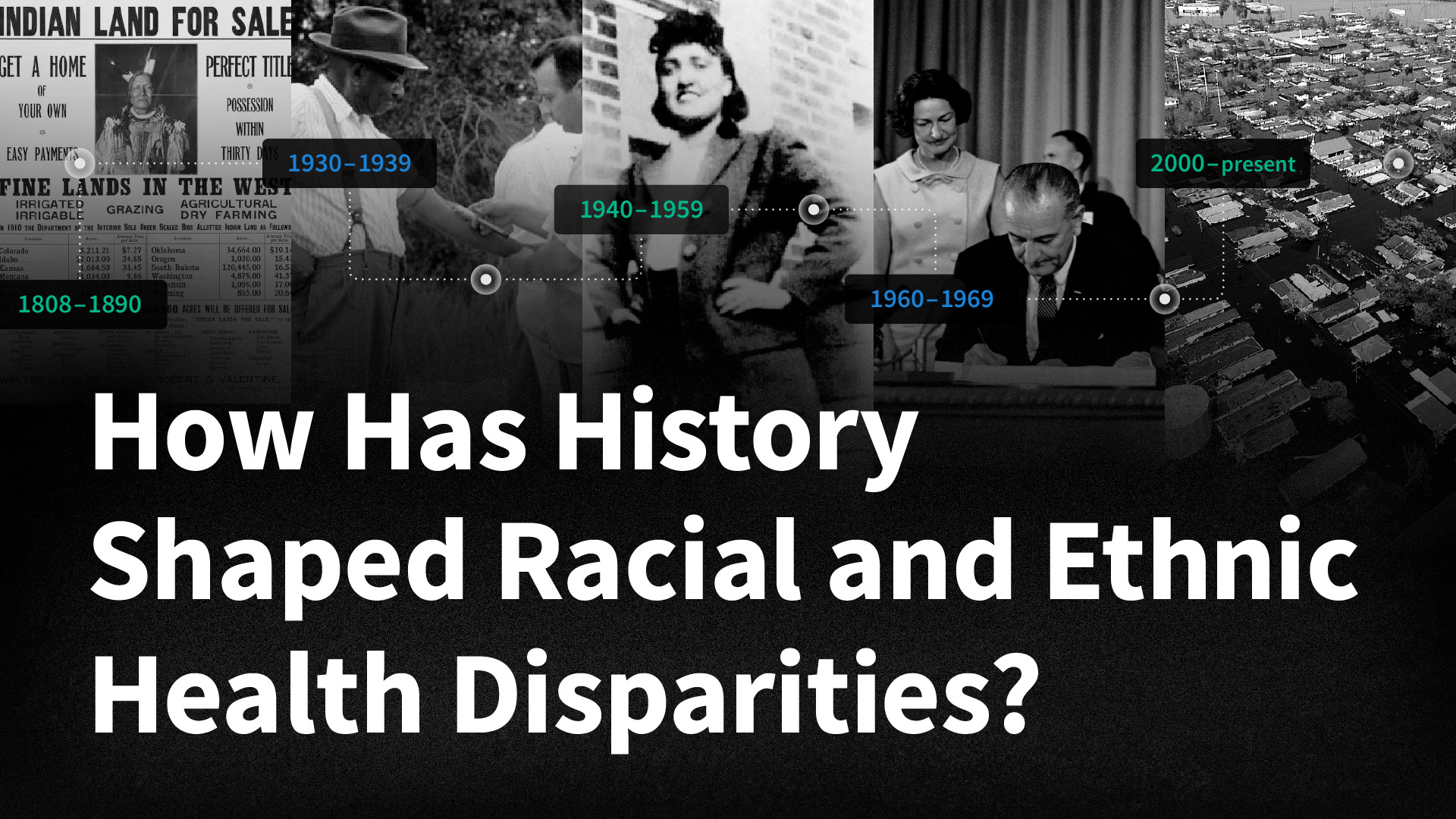
  • Timeline: How History Has Shaped Racial and Ethnic Health Disparities

    This timeline offers a historical view of significant U.S. federal policies and events spanning the early 1800s to today that have influenced present-day health disparities.
  • Health Policy 101: Chapter on Race, Inequality and Health

    Addressing persistent racial and ethnic disparities in health and health care is important for improving the nation’s health and economic prosperity. KFF explains such disparities and the factors that drive them, examines the actions to address them, and outlines future considerations.
  • Key Data on Health and Health Care by Race and Ethnicity

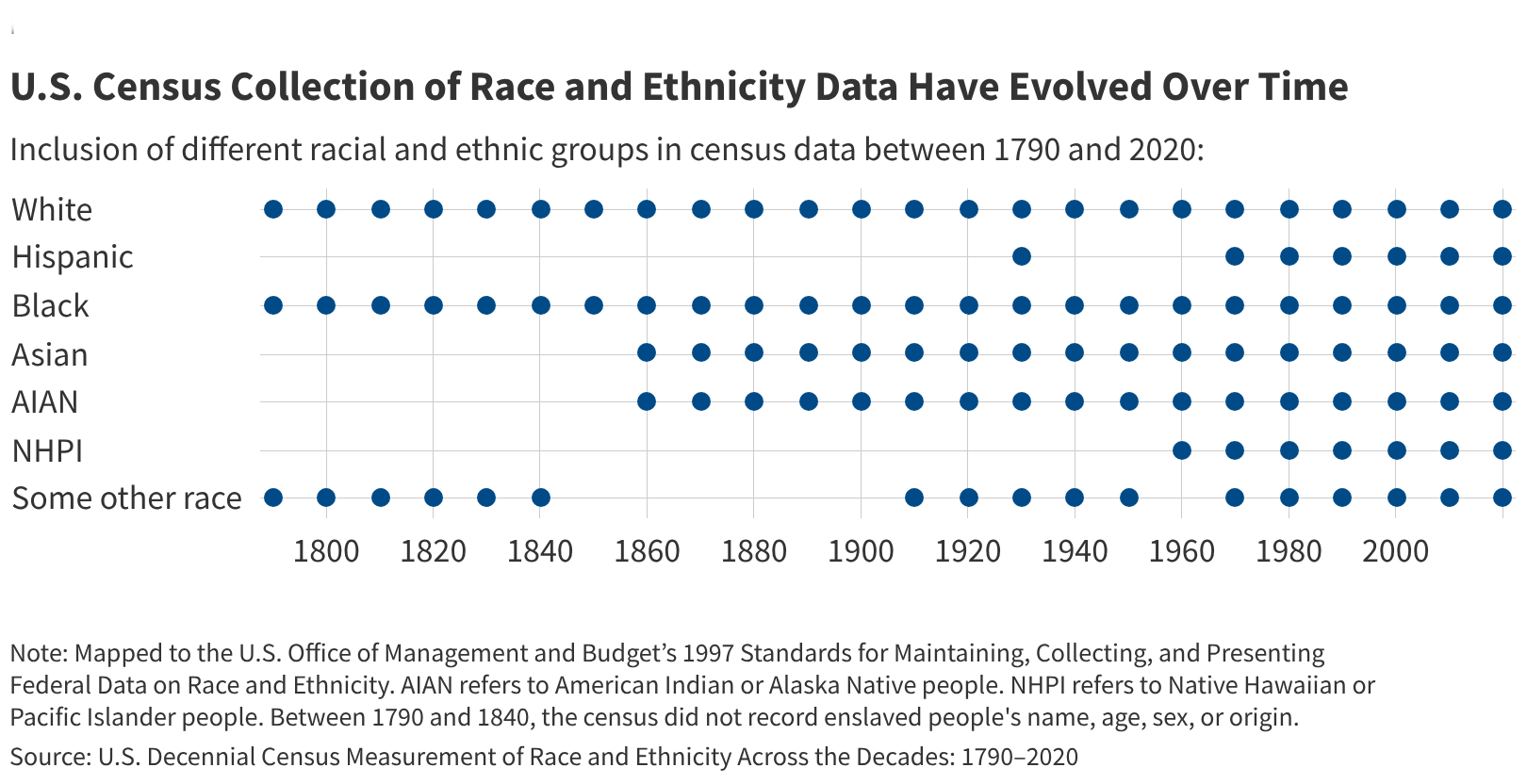
    Racial and ethnic disparities in health and health care remain a persistent challenge in the United States. An updated KFF resource examines how people of color fare compared to White people across 64 measures of health, health care, and social determinants of health.

Latest News

No Posts to Show

Subscribe to KFF Emails

Choose which emails are best for you.
Sign up here

Filter

221 - 230 of 599 Results

  • Welfare Reform and Elderly Legal Immigrants

    Report

    This report presents the findings of researchers at the National Academy on Aging on welfare reform and elderly legal imigrants. The Personal Responsibility and Work Opportunity Reconciliation Actof 1996 included an array of structural reforms affecting access to cash assistance programs such as AFDC and SSI as well as Medicaid.

  • Native Americans and Medicaid: Coverage and Financing Issues

    Other Post

    Native Americans and Medicaid:Coverage and Financing Issues Prepared by Andy Schneider and JoAnn Martinez, The Center on Budget and Policy Priorities for The Kaiser Commission on the Future of Medicaid December 1997 Table 1: Medicaid Eligibility Thresholds Pregnant Women, Infants and Children (Effective October 1997) Other Eligibility Categories State Pregnant Women and Infants Children Under…

  • Visualizing Income and Assets Among Medicare Beneficiaries: Now and in the Future

    Interactive

    This interactive tool describes the income, savings and home equity of people on Medicare in 2013, and in 2030. It allows users to break out the data by age, gender, race/ethnicity, marital status and education level, providing insight into the disparities within and across categories of beneficiaries.

  • How Do Health Expenditures Vary Across the Population?

    Issue Brief

    This analysis explores the variation in health spending across the population using 2023 Medical Expenditure Panel Survey data. Five percent of the population accounted for nearly half of all health spending in 2023.

  • An Early Look at the Affordable Care Act and Women

    News Release

    On Thursday, May 15 at 9:30 a.m. ET, the Kaiser Family Foundation will host a public briefing to release a new report based on the Foundation’s most recent comprehensive survey on women’s health.

  • Key Data on Health and Health Care for Native Hawaiian or Pacific Islander People

    Issue Brief

    Among NHPI people, there is significant variation in key factors that influence health, including health coverage, income, and homeownership, with Marshallese people faring the worst across all examined measures. Data gaps prevent the ability to fully identify and understand health disparities for NHPI people. Among available data, NHPI people fare worse than White people for the majority of measures.

  • Impacts of Federal Actions on Extreme Heat and Health

    Issue Brief

    Between 1999 and 2023, the number of heat-related deaths in the U.S. increased by 117%. KFF analysis of data from the Centers for Disease Control and Prevention shows that American Indian or Alaska Native and Black people are at higher risk of experiencing a heat-related death compared to their White counterparts. Estimates suggest that heat events in the U.S result in approximately $1 billion in excess health care costs each year. If left unaddressed, climate change could cost the U.S. economy approximately $14.5 trillion over the next fifty years.