Racial Equity and Health Policy

the Essentials
  • Health Coverage by Race and Ethnicity, 2010-2024

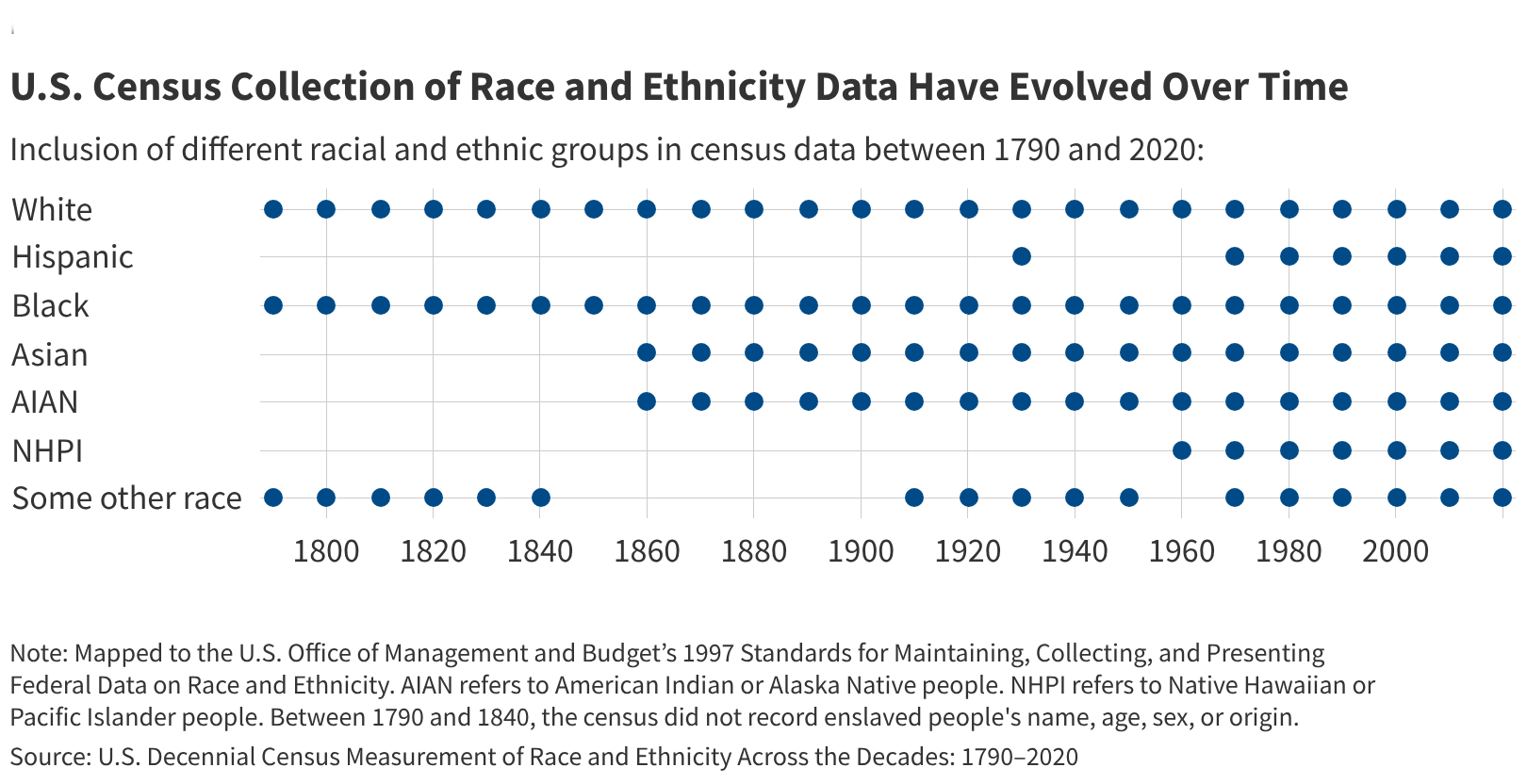
    There have been longstanding racial and ethnic disparities in health coverage that contribute to disparities in health. This brief examines trends in health coverage by race and ethnicity from 2010 through 2024 and discusses the implications for such disparities.
  • Timeline: How History Has Shaped Racial and Ethnic Health Disparities

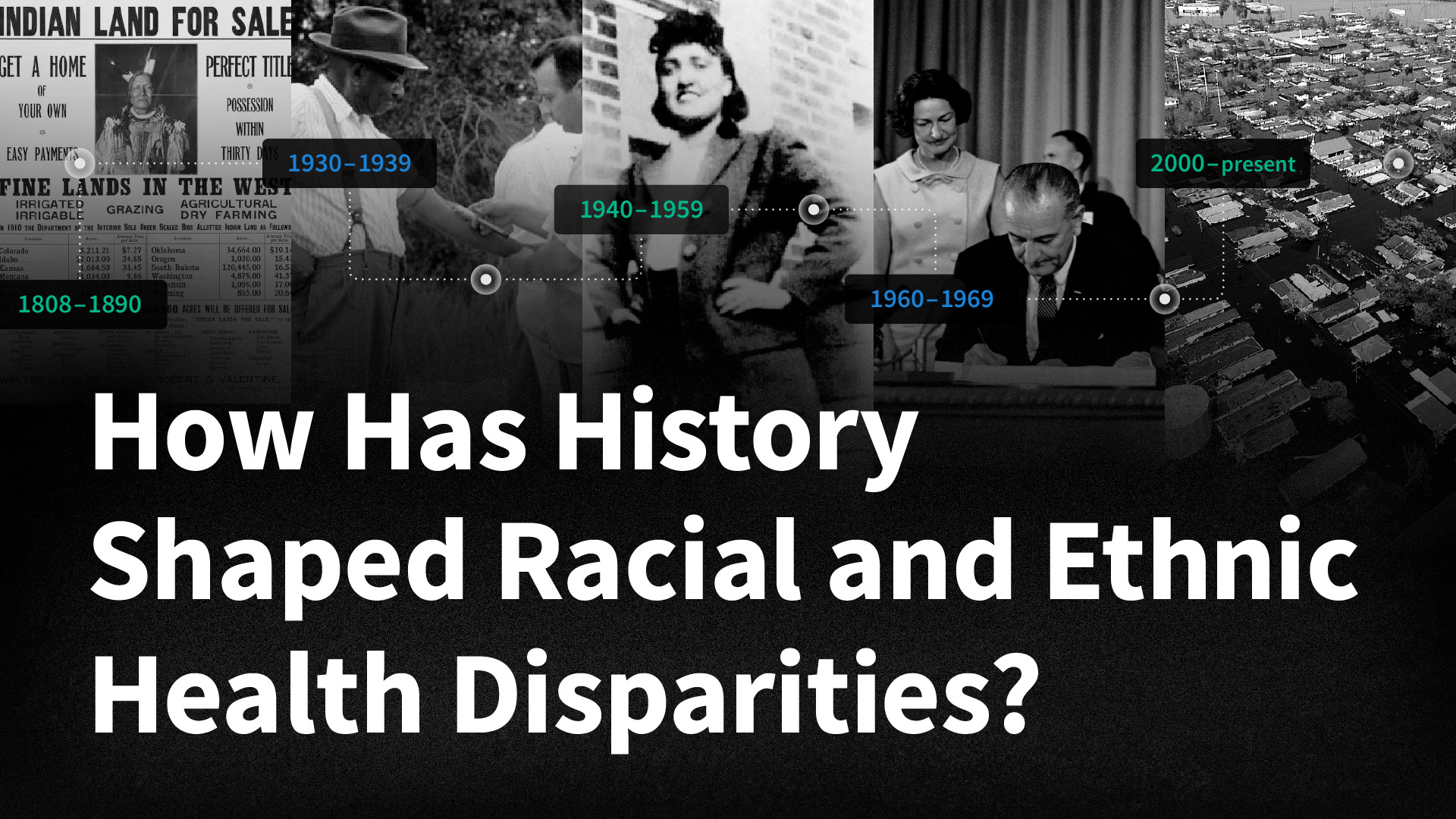
    This timeline offers a historical view of significant U.S. federal policies and events spanning the early 1800s to today that have influenced present-day health disparities.
  • Health Policy 101: Chapter on Race, Inequality and Health

    Addressing persistent racial and ethnic disparities in health and health care is important for improving the nation’s health and economic prosperity. KFF explains such disparities and the factors that drive them, examines the actions to address them, and outlines future considerations.
  • Key Data on Health and Health Care by Race and Ethnicity

    Racial and ethnic disparities in health and health care remain a persistent challenge in the United States. An updated KFF resource examines how people of color fare compared to White people across 64 measures of health, health care, and social determinants of health.

Survey of Immigrants

KFF-New York Times Survey: Immigrants Report Rising Fear, Negative Economic and Health Impacts, and Changing Political Views During the First Year of President Trump’s Second Term

The 2025 Survey of Immigrants, a partnership between KFF and The New York Times, takes an in-depth look at the experiences of immigrants during the first year of President Trump’s second term, including their worries related to increased immigration enforcement, their health and economic wellbeing, and the political views and preferences of immigrant voters. The survey paints a portrait of families under strain — where fear of detention and economic instability are negatively impacting immigrants’ health and reshaping immigrant families’ daily lives and views of U.S. political parties.

Read the News Release | Explore The New York Times’ Reporting
Subscribe to KFF Emails

Choose which emails are best for you.
Sign up here

Filter

141 - 150 of 602 Results

  • A 50-State Review of Access to State Medicaid Program Information for People with Limited English Proficiency and/or Disabilities Ahead of the PHE Unwinding

    Issue Brief

    This issue brief reviews accessibility of information for people with LEP and people with disabilities provided through state Medicaid websites and call center automated phone trees as of June 16, 2022. The analysis shows that while states have taken some steps to support access to information and applications for people with LEP and people with disabilities, gaps in accessibility remain.

  • Health and Health Care for Indigenous People

    Feature

    November marks National Native American Heritage Month, during which the U.S. recognizes the culture, heritage, and contributions of Indigenous people including those from American Indian, Alaskan Native, Native Hawaiian, and Pacific Island communities.

  • KFF/New York Times 2025 Survey of Immigrants: Political Implications of Immigrant Voters’ Views on Immigration Enforcement

    Poll Finding

    Most immigrant voters disapprove of President Trump’s handling of immigration, including large majorities who disapprove of policies like “third country” deportations and efforts to end birthright citizenship. These views may have implications for future elections, as six in ten immigrant voters say the administration’s immigration enforcement actions have had an impact on which political party they support.

  • Health Issues for Immigrants in Detention Centers

    Issue Brief

    President Trump has prioritized mass deportation and detention of undocumented immigrations. This brief looks at recent trends in detention using Immigration and Customs Enforcement (ICE) data and health care risks and challenges facing those held in detention facilities.

  • How Has History Shaped Racial and Ethnic Health Disparities?  

    News Release

    KFF’s new interactive timeline explores how history has shaped racial and ethnic health disparities and the lasting effects that persist to this day. The timeline describes major U.S. federal policies and events since the early 1800s that are linked to present-day health disparities. It also covers policies that impact health coverage and access to care, medicine, and social and economic policies that influence health as well as efforts to tackle inequalities. The timeline includes 80…

  • News Release

    During the COVID-19 Pandemic, People of Color Were More Likely to Die at Younger Ages

    News Release

    The Nation Overall Also Experienced Higher Rates of Premature Deaths than Peer Countries During the COVID-19 pandemic, people of color on average died at younger ages than White adults, resulting in substantial racial disparities in premature death and years of life lost, a new analysis finds. The analysis examines the Centers for Disease Control and Prevention’s excess deaths statistics during the pandemic, which captures not only deaths caused by COVID-19 but also higher-than-expected deaths from…

  • KFF News Release

    Recent Widening of Racial Disparities in U.S. Life Expectancy Was Largely Driven by COVID-19 Mortality

    News Release

    During the COVID-19 pandemic, the U.S. population experienced the most significant two-year decline in life expectancy in roughly a century, according to new research by KFF, with data showing that COVID-19 deaths disproportionately impacted people of color and exacerbating longstanding racial disparities in life expectancy. While overall U.S. life expectancy declined by 2.7 years between 2019 and 2021, American Indian and Alaskan Native (AIAN) people experienced a decline of 6.6 years, Hispanic people and Black people…