Racial Equity and Health Policy

the Essentials
  • How Experiencing Racial Discrimination Impacts Health

    This brief highlights research examining mechanisms underlying health outcomes linked to self-reported experiences of racial discrimination, including biological changes, chronic stress, mental health, substance use, pregnancy-related outcomes, and sleep.
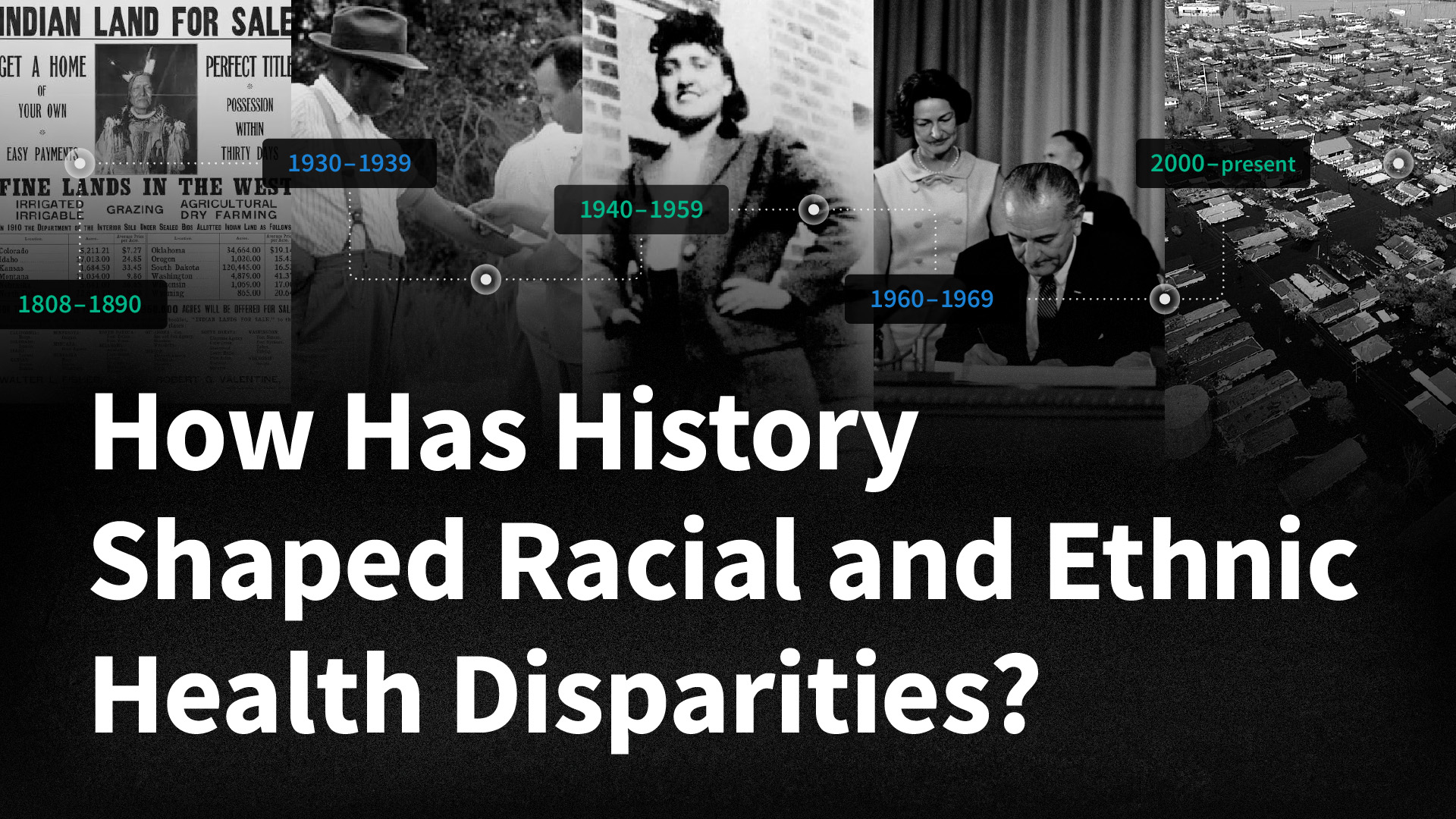
  • Timeline: How History Has Shaped Racial and Ethnic Health Disparities

    This timeline offers a historical view of significant U.S. federal policies and events spanning the early 1800s to today that have influenced present-day health disparities.
  • Health Policy 101: Chapter on Race, Inequality and Health

    Addressing persistent racial and ethnic disparities in health and health care is important for improving the nation’s health and economic prosperity. KFF explains such disparities and the factors that drive them, examines the actions to address them, and outlines future considerations.
  • Key Data on Health and Health Care by Race and Ethnicity

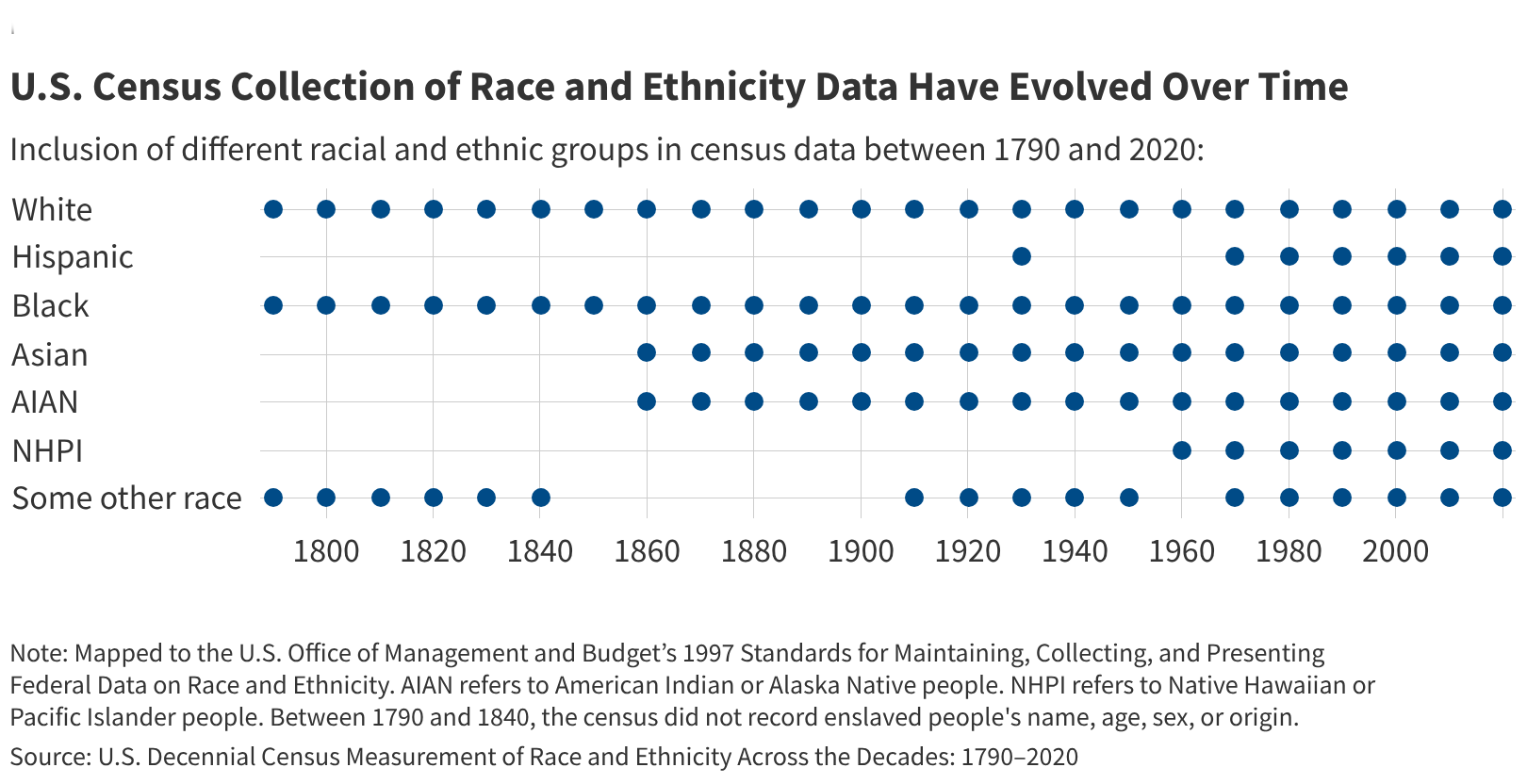
    Racial and ethnic disparities in health and health care remain a persistent challenge in the United States. An updated KFF resource examines how people of color fare compared to White people across 64 measures of health, health care, and social determinants of health.

Survey of Immigrants

KFF-New York Times Survey: Immigrants Report Rising Fear, Negative Economic and Health Impacts, and Changing Political Views During the First Year of President Trump’s Second Term

The 2025 Survey of Immigrants, a partnership between KFF and The New York Times, takes an in-depth look at the experiences of immigrants during the first year of President Trump’s second term, including their worries related to increased immigration enforcement, their health and economic wellbeing, and the political views and preferences of immigrant voters. The survey paints a portrait of families under strain — where fear of detention and economic instability are negatively impacting immigrants’ health and reshaping immigrant families’ daily lives and views of U.S. political parties.

Read the News Release | Explore The New York Times’ Reporting
Stay informed.

Stay informed.

Filter

141-150 of 611 results

  • Racial/Ethnic Differences in Cardiac Care: The Weight of the Evidence

    Report

    Numerous studies over the past two decades have documented racial and ethnic differences in care for heart conditions. To assess the quality of the evidence and to summarize the information for a physician audience, the Henry J. Kaiser Family Foundation collaborated with the American College of Cardiology Foundation to review the body of research on racial/ethnic differences in cardiac care. There is credible evidence that minority patients are less likely than white patients to receive…

  • Eliminating Racial/Ethnic Disparities in Health Care: What are the Options?

    Issue Brief

     Download PDF Racial and ethnic disparities in health care – whether in insurance coverage, access, or quality of care – are one of many factors producing inequalities in health status in the United States.1  Eliminating these disparities is politically sensitive and challenging in part because their causes are intertwined with a contentious history of race relations in America. Nonetheless, assuring greater equity and accountability of the health care system is important to a growing constituency…

  • Latest Data on COVID-19 Vaccinations by Race/Ethnicity

    Issue Brief

    KFF is collecting and analyzing data on COVID-19 vaccinations by race/ethnicity to gain increased insight who is receiving the vaccine and whether some groups are facing disparities in vaccination.

  • 3 Charts: Asian Immigrants’ Experiences in the United States

    News Release

    Like other immigrants to the U.S., Asian immigrants overwhelmingly say they emigrated for the opportunity to build a better life for themselves and their children. They come from more than 30 countries, and their experiences – their economic circumstance, how safe they feel, and the discrimination they face - vary greatly once here, including differences by income level, immigration status and country of origin. These three charts explore the diversity of the Asian immigrant experience,…

  • Voces de Puerto Rico: Reflexiones Dos Meses Después de María (Informe)

    Issue Brief

    Dos meses después que el huracán María tocara tierra, la Kaiser Family Foundation viajó a Puerto Rico. Este informe presenta los resultados de grupos focales y entrevistas individuales con 40 personas de 10 diferentes regiones de la isla afectadas por la tormenta.

  • Potential Effects of Public Charge Changes on Health Coverage for Citizen Children

    Issue Brief

    The Trump Administration is pursuing changes that, for the first time, would allow the federal government to take into account use of Medicaid, CHIP, subsidies for Marketplace coverage and other health, nutrition, and non-cash programs when making public charge determinations. These changes would likely lead to decreased participation in Medicaid, CHIP, Marketplace coverage, and other programs among legal immigrants and their citizen children, even though they would remain eligible.

  • Language Barriers in Health Care: Findings from the KFF Survey on Racism, Discrimination, and Health

    Poll Finding

    In the U.S., 26 million people have limited English proficiency, representing about 8% of people ages 5 and older. Those with limited English proficiency report worse overall health status than those who are English proficient, but data suggests that having access to providers who speak their preferred language may help these disparities and can improve health care experiences.

  • Hurricane Harvey: The Experiences of Immigrants Living in the Texas Gulf Coast

    Report

    In order to better understand the particular needs of immigrants both in recovering from and preparing for future storms, this analysis from the Kaiser Family Foundation and the Episcopal Health Foundation highlights the views and experiences of foreign-born residents who were living in 24 coastal Texas counties hard-hit by Hurricane Harvey. Specifically, the brief explores the financial circumstances of immigrants following the storm, as well as their health care access, social support, and top priorities…

  • Wide Variations in Flu Vaccination Rates Across States Highlight Challenges as State and Local Authorities Plan to Distribute a COVID-19 Vaccine

    News Release

    When a COVID-19 vaccine becomes available, all or most people living in the country will need to get vaccinated in order to maximize its benefits and provide adequate immunity nationwide. That could present a daunting challenge for state and local health officials, as a new KFF analysis shows vaccination rates for the annual flu vaccine vary widely across states as well as by race and ethnicity, age, and other demographic characteristics. The flu vaccine provides…