Public Opinion

THE MIDTERMS

Most Democratic Voters Want To Hear Candidates Discuss Health Costs and Future of Health Programs; More Republicans Focused on Fraud

KFF Health Tracking Poll: Public Views on Fraud in Government Health Programs

As the 2026 midterms approach, health care costs remain voters’ top health priority, but fraud in government health programs, including Medicaid and Medicare, is resonating with Republican voters, 55% of whom say it’s extremely important for candidates to address. Most voters say there is at least “some” fraud in government health programs, but larger shares say there is fraud in the tax system, defense, and foreign aid, while the smallest share sees fraud in the ACA Marketplaces.

Health Information and Trust

Update on Common Vaccine Myths: People Without a Trusted Health Care Provider Are More Likely to Endorse False Vaccine Claims

This poll looks at exposure to and belief in several vaccine myths and finds that people without a trusted health care provider, and those who regularly use social media or AI for health information, are generally more likely than others to belief the false claims. It also analyzes belief across vaccine myths, showing the share of the public that are consistent myth believers, consistent myth deniers, and those who land in the “mixed middle.”

Dashboard: Polling on Health Information and Trust

Drawing on KFF’s poll findings, this interactive dashboard tracks the public’s trusted sources for health information, attitudes toward vaccines, and use of news, social media, and AI for health-related information.

Recent Polls

Public Views on Foreign Aid and Global Health

This poll finds that less than half of the public now wants the U.S. to play at least a major role in improving the health of people in developing countries. When asked about the administration’s changes to foreign aid and global health, more people perceive a negative impact than a positive one.

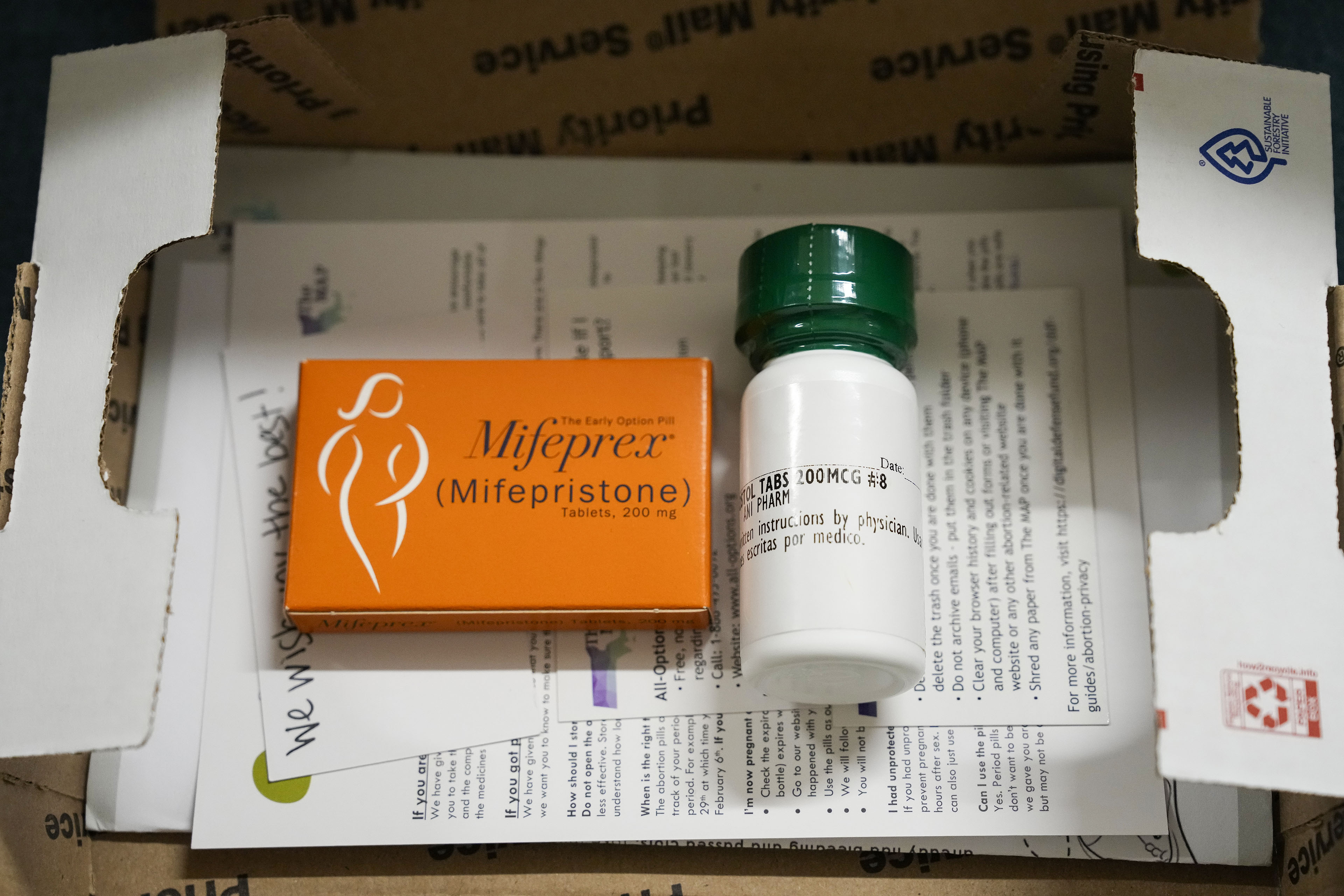
Knowledge and Views of Medication Abortion

This KFF Health Tracking Poll finds that many, including women of reproductive age, remain unfamiliar with key facts about mifepristone. Fewer than half of all adults say they believe abortion pills are safe now, compared to over half of all adults two years ago. This poll explores awareness and perception of the recent FDA review of the medication, and support for policies aimed at restricting it.

KFF/New York Times Survey of Immigrants

KFF-New York Times Survey: Immigrants Report Rising Fear, Negative Economic and Health Impacts, and Changing Political Views During the First Year of President Trump’s Second Term

The 2025 Survey of Immigrants, a partnership between KFF and The New York Times, takes an in-depth look at the experiences of immigrants during the first year of President Trump’s second term, including their worries related to increased immigration enforcement, their health and economic wellbeing, and the political views and preferences of immigrant voters. The survey paints a portrait of families under strain — where fear of detention and economic instability are negatively impacting immigrants’ health and reshaping immigrant families’ daily lives and views of U.S. political parties.

Read the News Release | Explore The New York Times’ Reporting

the essentials

Health Tracking Poll

Event Date:

Our signature survey project provides up-to-date data on the public’s health care views, knowledge, and experiences.

Tracking the Public’s Views on the ACA

Tracking the Public’s Views on the ACA

This interactive tool tracks public opinion on the Affordable Care Act, from the inception of the law to the present, including trends based on party identification, income, age, gender, and race/ethnicity.

Health Information and Trust Tracking Poll

The Health Information and Trust Tracking Poll is part of KFF’s Health Information and Trust Initiative, which tracks health misinformation and analyzes its impact on the public.

Polls in Health Policy

This chapter of our digital “textbook” explores why surveys are essential for understanding health policy issues. 

Stay informed.

Stay informed.

https://js.hsforms.net/forms/embed/292449.js

Filter

351 - 360 of 1,849 Results

  • June 18 Web Event: Asian Immigrant Experiences with Racism, Immigration-related Fears, and the COVID-19 Pandemic

    Event Date:
    Event

    While the country has collectively experienced health and economic difficulties with the COVID-19 pandemic, certain groups have experienced a disproportionate impact. The Asian American community has had to cope with the burden of pandemic-related racism and, as one of the fastest growing immigrant communities in the nation, immigration-related fears due to policy and regulatory action of recent years. Yet, there is often limited data and focus on the experiences of the expanding Asian immigrant community.…

  • Survey and Event Examine Experiences and Concerns of Asian Immigrants During COVID-19 Pandemic and Amid Rising Incidents of Anti-Asian Hate Crimes

    News Release

    A KFF survey of Asian patients at four community health centers serving a predominantly Asian, low-income population finds a third (33%) of them have felt more discrimination based on their race/ethnicity since the COVID-19 pandemic began. Respondents, 80% of whom were born outside the U.S., reported a range of negative experiences including receiving poorer service in public settings, being denied employment and/or housing, and being verbally or physically attacked. Asian Immigrant Experiences with Racism, Immigration-related…

  • KFF COVID-19 Vaccine Monitor: Profile Of The Unvaccinated

    Poll Finding

    This report explores the roughly a third of adults who have not received a COVID-19 vaccine and finds that, compared to vaccinated adults, they are younger, more likely to identify as Republican or Republican-leaning, with lower incomes and education levels, and more likely to be uninsured.

  • Who Remains Unvaccinated? A COVID-19 Vaccine Monitor Analysis

    News Release

    As more people across the country get at least an initial dose of a COVID-19 vaccine, public health officials are increasingly trying to reach the shrinking pool of unvaccinated adults – now roughly a third of all adults. The latest KFF COVID-19 Vaccine Monitor report explores this group’s demographic profile and finds that, compared to vaccinated adults, unvaccinated adults are younger and more likely to identify as Republican or Republican-leaning. They also have lower levels…

  • Two-Thirds of the Public Say the U.S. Should Play a Major Role in Distributing COVID-19 Vaccines Globally, But Not Most Republicans

    News Release

    With increased attention to the global need for COVID-19 vaccines and the Biden administration’s announcement today about how it plans to distribute the first portion of the 80 million doses it will share by the end of this month, the latest KFF Health Tracking Poll finds that two-thirds of the public (66%) say that the U.S. should play at least a “major role” in distributing COVID-19 vaccines to other countries, including about a quarter (27%)…

  • Vaccine Monitor: Vaccination Rates Continue to Inch Upwards Across Groups, Especially Among Hispanic Adults, But Few Who Are Eager to Get a Shot Remain Unvaccinated

    News Release

    4 in 10 Parents Say Their Adolescent Children Have Already Gotten a Shot or Will Do So Right Away; One Quarter of Parents of Children Under 12 Will Get Them Vaccinated as Soon as They Are Eligible Few Unvaccinated Adults Say that CDC’s Guidelines for Vaccinated Adults Make Them More Likely to Get a Shot Nearly all adults who are eager to get a COVID-19 vaccine now have already gotten at least one shot as…

  • KFF COVID-19 Vaccine Monitor: May 2021

    Poll Finding

    This report shows continued steady progress in vaccine uptake, with 62% of adults saying they’ve gotten at least one dose of a COVID-19 vaccine, though few who are eager remain unvaccinated. In addition, 41% of parents of children ages 12-17 say their child has already received at least one dose or that they will do so right away. The report also looks at potential motivators for the unvaccinated.