Public Opinion

THE MIDTERMS

Most Democratic Voters Want To Hear Candidates Discuss Health Costs and Future of Health Programs; More Republicans Focused on Fraud

KFF Health Tracking Poll: Public Views on Fraud in Government Health Programs

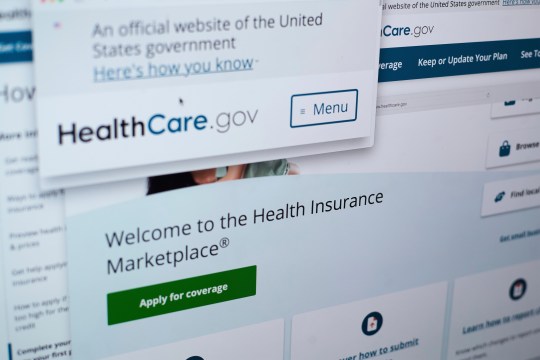
As the 2026 midterms approach, health care costs remain voters’ top health priority, but fraud in government health programs, including Medicaid and Medicare, is resonating with Republican voters, 55% of whom say it’s extremely important for candidates to address. Most voters say there is at least “some” fraud in government health programs, but larger shares say there is fraud in the tax system, defense, and foreign aid, while the smallest share sees fraud in the ACA Marketplaces.

Health Information and Trust

Update on Common Vaccine Myths: People Without a Trusted Health Care Provider Are More Likely to Endorse False Vaccine Claims

This poll looks at exposure to and belief in several vaccine myths and finds that people without a trusted health care provider, and those who regularly use social media or AI for health information, are generally more likely than others to belief the false claims. It also analyzes belief across vaccine myths, showing the share of the public that are consistent myth believers, consistent myth deniers, and those who land in the “mixed middle.”

Dashboard: Polling on Health Information and Trust

Drawing on KFF’s poll findings, this interactive dashboard tracks the public’s trusted sources for health information, attitudes toward vaccines, and use of news, social media, and AI for health-related information.

Recent Polls

Public Views on Foreign Aid and Global Health

This poll finds that less than half of the public now wants the U.S. to play at least a major role in improving the health of people in developing countries. When asked about the administration’s changes to foreign aid and global health, more people perceive a negative impact than a positive one.

Knowledge and Views of Medication Abortion

This KFF Health Tracking Poll finds that many, including women of reproductive age, remain unfamiliar with key facts about mifepristone. Fewer than half of all adults say they believe abortion pills are safe now, compared to over half of all adults two years ago. This poll explores awareness and perception of the recent FDA review of the medication, and support for policies aimed at restricting it.

KFF/New York Times Survey of Immigrants

KFF-New York Times Survey: Immigrants Report Rising Fear, Negative Economic and Health Impacts, and Changing Political Views During the First Year of President Trump’s Second Term

The 2025 Survey of Immigrants, a partnership between KFF and The New York Times, takes an in-depth look at the experiences of immigrants during the first year of President Trump’s second term, including their worries related to increased immigration enforcement, their health and economic wellbeing, and the political views and preferences of immigrant voters. The survey paints a portrait of families under strain — where fear of detention and economic instability are negatively impacting immigrants’ health and reshaping immigrant families’ daily lives and views of U.S. political parties.

Read the News Release | Explore The New York Times’ Reporting

the essentials

Health Tracking Poll

Our signature survey project provides up-to-date data on the public’s health care views, knowledge, and experiences.

Tracking the Public’s Views on the ACA

Tracking the Public’s Views on the ACA

This interactive tool tracks public opinion on the Affordable Care Act, from the inception of the law to the present, including trends based on party identification, income, age, gender, and race/ethnicity.

Health Information and Trust Tracking Poll

The Health Information and Trust Tracking Poll is part of KFF’s Health Information and Trust Initiative, which tracks health misinformation and analyzes its impact on the public.

Polls in Health Policy

This chapter of our digital “textbook” explores why surveys are essential for understanding health policy issues. 

Stay informed.

Stay informed.

https://js.hsforms.net/forms/embed/292449.js

Filter

1,611 - 1,620 of 1,849 Results

  • National Survey of Physicians Part I: Doctors on Disparities in Medical Care

    Other Post

    Selected findings from the Kaiser Family Foundation's forthcoming National Survey of Physicians reveal that most physicians are aware of racial disparities in medical treatment for specific conditions, but they don't believe it is a widespread problem. In sharp contrast, African American physicians disagree with their fellow physicians with nearly eight in ten (77%) believing race and ethnicity impact how people are treated at least somewhat often. Physicians see insurance status as a key determinate of…

  • PSAs in a New Media Age Toplines/Survey: Public Service Directors

    Poll Finding

    A new national study on public service advertising finds that broadcast and cable television networks donate an average of 15 seconds an hour to air public service ads (PSAs), representing just under one-half of one percent (0.4%) of all airtime. Shouting to be Heard: Public Service Advertising in a New Media Age was released by the Kaiser Family Foundation at a forum of nonprofit groups, policymakers and media leaders brought together to discuss the future…

  • Health News Index January/February 2002

    Poll Finding

    Health News Index January/February, 2002 The January/February 2002 edition of the Kaiser Family Foundation/ Harvard School of Public Health Health News Index includes questions about major health stories covered in the news, including the public s knowledge of the ongoing anthrax investigation and prescription drug discount cards. The Health News Index is designed to help news media and people in the health field gain a better understanding of which health stories Americans are following and…

  • Sexual Activity and Substance Use Among Youth

    Fact Sheet

    Teens and young adults face many pressures and decisions involving alcohol, drugs, and sexual activity decisions that often occur simultaneously. Almost one quarter of sexually active young people aged 15-24 report having sex without a condom because they were drinking or using drugs at the time. These findings are from a new national survey conducted by the Kaiser Family Foundation and released at a conference, Dangerous Liaisons: Substance Abuse and Sexual Behavior, sponsored by the…

  • Barriers to Medicaid Enrollment for Seniors: Findings from 10 Focus Groups with Low-Income Seniors

    Report

    Medicaid coverage substantially improves access to health care and lessens the financial burden of medical care for low-income seniors, but the program currently reaches only half of all poor Medicare beneficiaries. This report presents findings of focus groups with low-income seniors in an effort to understand barriers to enrollment for those who are eligible for Medicaid but who are not enrolled in the program, and to learn about the experiences of low-income seniors who are…

  • Women’s Health Care Providers STD Counseling and Testing

    Poll Finding

    Many women rely on their physicians to help them assess whether they are at risk for STDs and to provide them with information about testing, treatment and how to protect themselves. To better understand how often they discuss and screen for STDs, including HIV, the Kaiser Family Foundation surveyed 767 physicians, including 566 obstetricians and gynecologists and 201 family practice practitioners, for the National Survey of Women's Health Care Providers on Reproductive Health. Toplines/Survey

  • A Study of Media Coverage of Health Policy 1997-2000

    Poll Finding

    The debate over President Clinton's national health care reform plan put health care policy at the forefront of the national agenda in 1993 and 1994. After the end of that debate, it remained to be seen whether or not health policy would hold the media's and the public s interest to the same degree. To help answer that and other questions, a comprehensive study of health policy media coverage from 1997 through 2000 - focusing…

  • Toplines for the Kaiser Health News Index: 2001

    Poll Finding

    Complete Survey Toplines for the Kaiser Health News Index: 2001 The Kaiser Health News Index is designed to provide key tracking information on public opinion about health care topics to journalists, policymakers and the general public. January/February March/April May/June July/August September/October November/December

  • Generation Rx.com: How Young People Use the Internet for Health Information

    Report

    The Internet has become a daily part of life especially for younger Americans. Teens as well as adults are now going online to look for health information. What exactly are young people looking for? Do they trust what they find? Is it influencing what they talk about with their peers, parents, or physicians? Are they worried about privacy? Pornography? Parental controls? A panel featuring Lee Rainie, Director, Pew Internet & American Life Project; Gretchen Berland,…

  • Health News Index November/December 2001

    Poll Finding

    Health News Index November/December, 2001 The November/December 2001 edition of the Kaiser Family Foundation/Harvard School of Public Health Health News Index includes questions about major health stories covered in the news, including the public s knowledge of bioterrorism threats, anthrax and smallpox. The Health News Index is designed to help news media and people in the health field gain a better understanding of which health stories Americans are following and what they understand about those…