



Mental Health

Key CDC Data

Access and coverage
  • Mental Health Parity at a Crossroads

    More than 25 years after the first federal mental health parity protections were put in place, adequate coverage for behavioral health care remains elusive. This brief explains the federal behavioral health parity requirements and sets out key policy issues.
  • Section 1115 Waiver Watch: Contingency Management

    Of the 800,000 Medicaid enrollees aged 12 to 64 with a diagnosed stimulant use disorder in 2019, about 20% were in states that now have approved 1115 Medicaid waivers for contingency management services.
  • The Landscape of School-Based Mental Health Services

    In the 2024-2025 school year, 18% of students utilized school-based mental health services. This issue brief explores the landscape of mental health services, including services offered, utilization, barriers, and funding, as well as recent federal actions.
  • 5 Key Facts about Medicaid Coverage for Adults with Mental Illness

    Nationwide, an estimated 52 million nonelderly adults live with mental illness, and Medicaid covers nearly one in three (29%) of them, or about 15 million adults.
  • What Federal Medicaid Cuts Could Mean for the Opioid Epidemic

    Medicaid covers 47% of all nonelderly adults with OUD and is the primary coverage source among those receiving treatment services. This brief offers a look at what federal Medicaid spending cuts could mean for this population.

Subscribe to KFF Emails

Choose which emails are best for you.
Sign up here

Filter

91 - 100 of 246 Results

  • 2023 Employer Health Benefits Survey

    Report

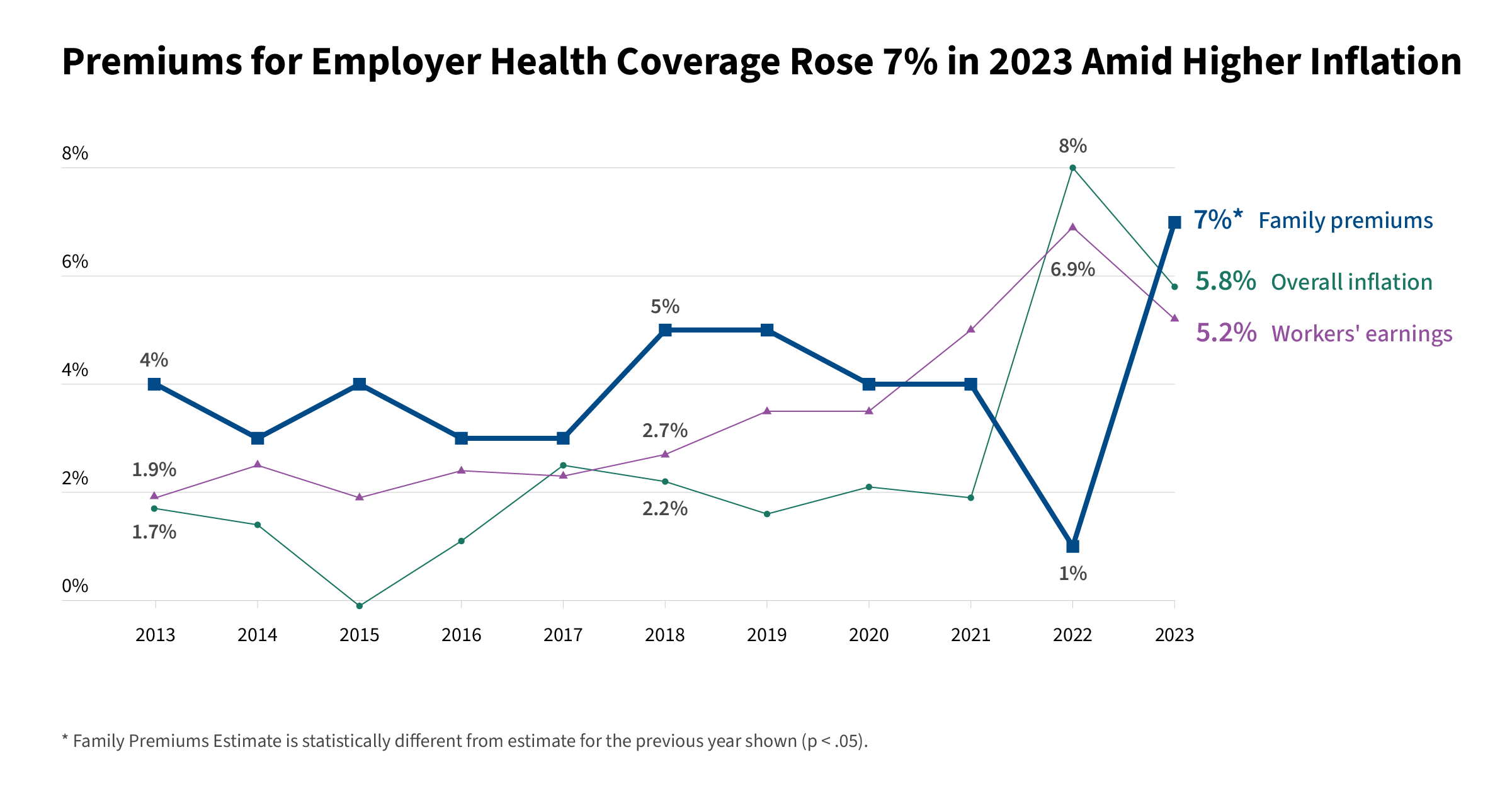
    This annual survey of employers provides a detailed look at trends in employer-sponsored health coverage, including premiums, worker contributions, cost-sharing provisions, offer rates, and more. This year’s report also looks at how employers are addressing a growing need for mental health services.

  • Proposed Mental Health Parity Rule Signals New Focus on Outcome Data as Tool to Assess Compliance

    Issue Brief

    Proposed updates to federal mental health parity rules would make wide ranging changes to current standards that apply to private insurance and coverage provided by most employers. This issue brief focuses on one aspect of the new proposal---a requirement that plans perform an “outcome analysis” before they can place certain restrictions on behavioral health coverage. This would require that plans evaluate specific data to determine the impact of certain restrictions on behavioral health access, such as prior authorization rules or limited provider network access. The use of data analysis as an oversight tool would be new for federal insurance regulators. The brief discusses this new proposed tool and the key policy questions that it triggers.

  • Will Availability of Over-the-Counter Narcan Increase Access?

    Policy Watch

    Making Narcan available OTC has the potential to expand access, but several obstacles may limit its reach. Decisions by pharmacies on whether to stock OTC Narcan, the product's placement within stores, and lingering stigmas can impact accessibility. Furthermore, public knowledge plays a role; many people may not realize that OTC Narcan is available without a prescription from a doctor and that insurance may help cover the costs.

  • Child and Teen Firearm Mortality in the U.S. and Peer Countries

    Issue Brief

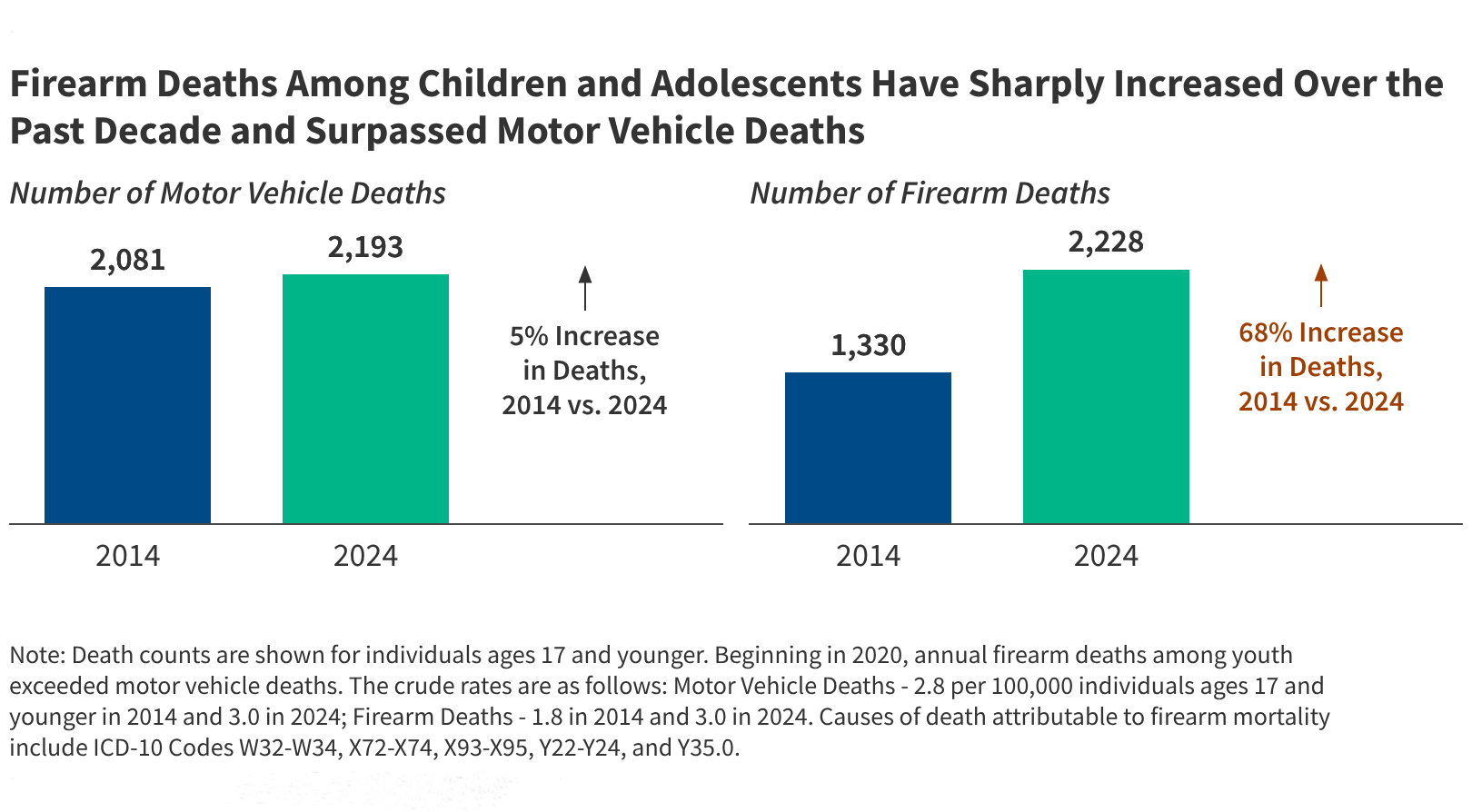
    Firearms were responsible for 20 percent of all child and teen deaths in the U.S. for both 2020 and 2021, compared to an average of less than 2 percent in similarly large and wealthy nations. This puts the U.S. far ahead of peer nations in child and teen firearm deaths.

  • Addressing the Opioid Crisis: A Look at the Evolving Landscape of Federal OUD Treatment Policies

    Issue Brief

    Federal policies governing substance use disorder treatment have undergone rapid changes during the pandemic; however, the extent to which these changes can address the surge in opioid overdose deaths is unclear. Some of these policy adjustments are permanent, while others could revert to pre-pandemic regulations. In this brief, we examine the following 5 key federal policies and implications for access and treatment for OUD.