Health Costs

The MIDTERMS

Democrats Hold a Nearly 2-to-1 Advantage Over Republicans on Handling the Cost of Health Care

Poll: Cost of Health Care and Gas Top Voters’ Midterm Concerns; Democrats Hold Significant Advantage on Health Care Costs and Cost of Living 

With the 2026 midterms about a month away, health care costs remain tied with gas as voters’ top midterm concerns and the Democrats hold a clear edge over the Republicans Party on who voters trust to handle many top electoral issues, including the cost of health care and the cost of living. Two-thirds of U.S. adults now favor Medicare-for-all, a new high in KFF Polling, but support shifts when competing claims from critics and proponents are heard.


New and noteworthy

Health System Tracker

Is This A Healthcare Economy?

Health care employment has grown faster than other sectors of the economy, with jobs in physician offices, hospitals, outpatient care centers, home health, and other settings increasing over the past year even as the rest of the job market plateaued. 

U.S. Health Spending Is Expected to Reach $9 Trillion by 2034

How Much is Health Spending Expected to Grow?

This chart collection explores how much health spending is expected to grow in the coming years, with a look at growth in prescription drug spending, out-of-pocket spending, and related trends.

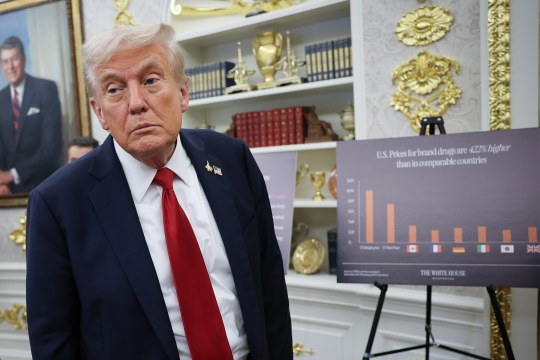
How TrumpRx Brand-Name Drug Prices Compare

TrumpRx prices for brand-name drugs are about as likely to be higher as lower compared to average prices in other wealthy countries, according to an analysis that compares 32 brand-name drugs.

Stay informed.

Stay informed.

Filter

81-90 of 1,626 results

  • Eight Trends Shaping 2026 Health Care Costs

    Other Post

    A new Peterson-KFF policy explainer lays out the health care trends shaping the 2026 policy debates, including rising premiums, spending on prescription drugs, health care price transparency and consolidation, artificial intelligence in health care, Medicaid funding cuts and other key program changes.

  • Public Views on Prescription Drug Costs: Regulation, Affordability and TrumpRx

    Poll Finding

    Amid the Trump administration's focus on lowering prescription drug costs, including its new TrumpRx website, KFF's Health Tracking Poll finds that most Americans (59%) are worried about affording prescription drugs and support more regulation of prescription drug pricing (72%). Looking ahead to the 2026 midterm elections, the Democratic party currently holds the advantage when it comes to who voters trust to address the cost of health care, including prescription drugs.

  • How Does Health Spending in the U.S. Compare to Other Countries?

    Issue Brief

    This analysis examines how U.S. health spending compares to health spending in other high-income nations. While the U.S. still spends the most in total dollars, eight OECD nations had a higher percentage increase in per-person health spending in 2024.

  • How Does Cost Affect Access to Health Care?

    Issue Brief

    This analysis explores trends in how the cost of healthcare affects access to care in the U.S. using National Health Interview Survey (NHIS) data. In 2024, about 1 in 6 adults (17%) reported delaying or not getting healthcare due to cost

  • Medicaid Workers and Job-Based Insurance: Who Is Offered, Eligible, and Enrolled?

    Issue Brief

    Most adult Medicaid enrollees who will be subject to new work requirements are already working but rely on Medicaid because their employers do not offer health coverage or they are not eligible for the coverage offered at their job. This analysis examines the availability of job-based insurance in 2024 for adult Medicaid workers ages 19 to 64.

  • How Do Health Expenditures Vary Across the Population?

    Issue Brief

    This analysis explores the variation in health spending across the population using 2023 Medical Expenditure Panel Survey data. Five percent of the population accounted for nearly half of all health spending in 2023.