Health Costs

The MIDTERMS

Democrats Hold a Nearly 2-to-1 Advantage Over Republicans on Handling the Cost of Health Care

Poll: Cost of Health Care and Gas Top Voters’ Midterm Concerns; Democrats Hold Significant Advantage on Health Care Costs and Cost of Living 

With the 2026 midterms about a month away, health care costs remain tied with gas as voters’ top midterm concerns and the Democrats hold a clear edge over the Republicans Party on who voters trust to handle many top electoral issues, including the cost of health care and the cost of living. Two-thirds of U.S. adults now favor Medicare-for-all, a new high in KFF Polling, but support shifts when competing claims from critics and proponents are heard.


New and noteworthy

Americans’ Challenges with Health Care Costs

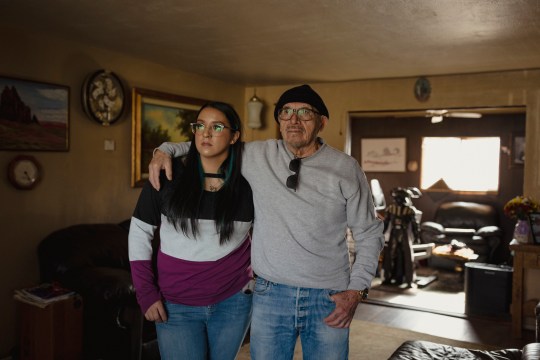
This data note reviews our recent polling data that finds that many Americans struggle to afford many aspects of health care, including disproportionate shares of uninsured adults, Black and Hispanic adults and those with lower incomes.

Health System Tracker

Is This A Healthcare Economy?

Health care employment has grown faster than other sectors of the economy, with jobs in physician offices, hospitals, outpatient care centers, home health, and other settings increasing over the past year even as the rest of the job market plateaued. 

Cumulative percent change in health sector and non-health sector employment, January 1990 - August 2026

What Are the Recent Trends in Health Sector Employment

Health care employment continues to grow even as hiring across other sectors has plateaued. The health sector added nearly 379,000 jobs over the past year, a 2% increase, compared with just 0.2% growth in other non-farm employment, with outpatient care among the fastest-growing health care settings.

How TrumpRx Brand-Name Drug Prices Compare

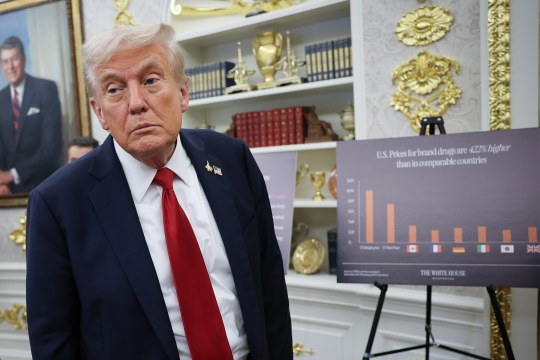
TrumpRx prices for brand-name drugs are about as likely to be higher as lower compared to average prices in other wealthy countries, according to an analysis that compares 32 brand-name drugs.

Stay informed.

Stay informed.

Filter

831-840 of 1,619 results

  • Web Briefing for Media: 2015 Kaiser/HRET Employer Health Benefits Survey

    Event Date:
    Event

    The Kaiser Family Foundation and the Health Research & Educational Trust (HRET) hosts an annual reporters-only web briefing to release the 2015 Kaiser/HRET Employer Health Benefits Survey. The 17th annual Kaiser/HRET survey provides a detailed look at the current state of employer-based coverage and trends in private health insurance, including premiums, worker and employer contributions, firm offer rates, plan deductibles, and other cost-sharing requirements, with breakouts for small and large firms.

  • Measuring the Quality of Healthcare in the U.S.

    Issue Brief

    The quality of the U.S. health system is improving in many areas, but comparable countries continue to outperform the United States on key measures. In this brief on the Peterson-Kaiser Health System Tracker, analysts from the Kaiser Family Foundation compile an overall picture of health care quality in the United States, using the best available data from numerous sources on health outcomes, quality of care, and access to services.

  • US Improving in Health Care Quality, But Still Lagging Behind Other Countries, New Analysis Finds

    News Release

    A new brief on the Peterson-Kaiser Health System Tracker finds that the quality of the U.S. health system is improving in many areas, but comparable countries continue to outperform the United States on key measures. Analysts from the Kaiser Family Foundation compiled an overall picture of health care quality in the United States, using the best available data from numerous sources on health outcomes, quality of care, and access to services. The brief, Measuring the…

  • Why Higher Drug Costs Are Consumers’ Biggest Cost Worry

    News Release

    In his latest column for The Wall Street Journal's Think Tank, Drew Altman discusses why public concern over drug prices is the “tip of the iceberg” representing broader concerns about out-of-pocket health care costs. All previous columns by Drew Altman are available online.

  • Why Higher Drug Costs Are Consumers’ Biggest Cost Worry

    From Drew Altman

    In this column for The Wall Street Journal's Think Tank, Drew Altman discusses why public concern over drug prices is the “tip of the iceberg” representing broader concerns about out-of-pocket health care costs.

  • Analysis Estimates 1 in 4 Employers Offering Health Benefits Could Be Affected by the ‘Cadillac Tax’ in 2018 if Current Trends Continue

    News Release

    Share of Potentially-Affected Employers Could Grow to 30% in 2023, 42% in 2028, Analysis Finds New projections from the Kaiser Family Foundation estimate that one in four employers (26%) offering health benefits could be subject to the Affordable Care Act’s tax on high-cost health plans, also known as the "Cadillac plan" tax, in 2018 unless they make changes to their plans. The analysis also estimates that the share of employers potentially affected by the tax…

  • How Many Employers Could be Affected by the Cadillac Plan Tax?

    Issue Brief

    As fall approaches, we can expect to hear more about how employers are adapting their health plans for 2016 open enrollments. One topic likely to garner a good deal of attention is how the Affordable Care Act’s high cost plan tax (HCPT), sometimes called the “Cadillac plan” tax or "Cadillac tax," is affecting employer decisions about their health benefits. The tax takes effect in 2018. The potential of facing an HCPT assessment as soon as…

  • Kaiser Health Tracking Poll: August 2015

    Feature

    With renewed discussion of the high cost of prescription drugs recently, the August Kaiser Health Tracking poll finds that most Americans feel that drug costs are unreasonable and that drug companies put profits before people. At the same time, the public largely values the role prescription drug companies play, with most saying that prescription drugs developed in the past two decades have made the lives of people in the U.S. better, including about 4 in…

  • Most Say They Can Afford Their Prescription Drugs, But One in Four Say Paying is Difficult, Including More Than Four in Ten People Who are Sick

    News Release

    Large Bipartisan Majorities Support Range of Policy Changes They Believe Would Curb Drug Costs Opinion on the Affordable Care Act Remains Largely Unchanged In August About half of Americans (54%) report currently taking a prescription drug, and a large majority of them (72%) say their prescriptions are very or somewhat easy to afford. However, about a quarter (24%) say paying for their drugs is difficult, and the share facing difficulties rises among those with low…