Health Costs

The MIDTERMS

Democrats Hold a Nearly 2-to-1 Advantage Over Republicans on Handling the Cost of Health Care

Poll: Cost of Health Care and Gas Top Voters’ Midterm Concerns; Democrats Hold Significant Advantage on Health Care Costs and Cost of Living 

With the 2026 midterms about a month away, health care costs remain tied with gas as voters’ top midterm concerns and the Democrats hold a clear edge over the Republicans Party on who voters trust to handle many top electoral issues, including the cost of health care and the cost of living. Two-thirds of U.S. adults now favor Medicare-for-all, a new high in KFF Polling, but support shifts when competing claims from critics and proponents are heard.


New and noteworthy

Health System Tracker

Is This A Healthcare Economy?

Health care employment has grown faster than other sectors of the economy, with jobs in physician offices, hospitals, outpatient care centers, home health, and other settings increasing over the past year even as the rest of the job market plateaued. 

U.S. Health Spending Is Expected to Reach $9 Trillion by 2034

How Much is Health Spending Expected to Grow?

This chart collection explores how much health spending is expected to grow in the coming years, with a look at growth in prescription drug spending, out-of-pocket spending, and related trends.

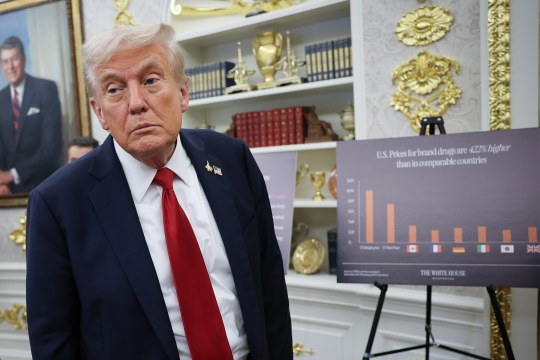
How TrumpRx Brand-Name Drug Prices Compare

TrumpRx prices for brand-name drugs are about as likely to be higher as lower compared to average prices in other wealthy countries, according to an analysis that compares 32 brand-name drugs.

Stay informed.

Stay informed.

Filter

761-770 of 1,626 results

  • Explaining Health Care Reform: Questions About Health Insurance Exchanges

    Issue Brief

    The Patient Protection and Affordable Care Act (PPACA), signed into law in March 2010, made broad changes to the way health insurance will be provided and paid for in the United States. PPACA created a new mechanism for purchasing coverage called Exchanges, which are entities that will be set up in states to create a more organized and competitive market for health insurance by offering a choice of health plans, establishing common rules regarding the…

  • Health Spending for 60-64 Year Olds Would Be Lower Under Medicare Than Under Large Employer Plans

    Issue Brief

    During the presidential campaign, President Biden proposed to lower the age of Medicare eligibility from 65 to 60. This analysis uses claims data for covered medical services from both large employer plans and traditional Medicare to illustrate the potential spending effects of using Medicare payment rates in lieu of higher rates paid by employer plans for people 60-64 who shift from large employer plans to Medicare.

  • Vast Majority of Large Employers Surveyed Say Broader Government Role Will Be Necessary to Control Health Costs and Provide Coverage, Survey Finds

    News Release

    Top executives at nearly 90% of large employers surveyed believe the cost of providing health benefits to employees will become unsustainable in the next five-to-10 years, and 85% expect the government will be required to intervene to provide coverage and contain costs, according to a new survey released today from Purchaser Business Group on Health (PBGH) and KFF (Kaiser Family Foundation), with support from the West Health Institute. The research exposes large employers’ mounting concerns…

  • New Interactive Provides Essential Facts and Trends Related to Medicare Spending

    News Release

    A new KFF interactive provides essential facts and trends about spending on Medicare, the federal health insurance program that covers 65 million seniors and people with disabilities, or nearly 1 in 5 Americans. In 2020, Medicare spending accounted for 12 percent of the federal budget and 20 percent of national health care spending. Given its size and importance, the program is often part of discussions about how to better manage total federal government spending, health…

  • How are Large Private Insurers Covering At-Home Rapid Tests?

    News Release

    Less than a week after a new federal mandate to cover such products took effect, about half of the nation’s largest private insurers allow enrollees to directly obtain rapid at-home COVID-19 tests from specific sources without having to pay anything upfront, a new KFF analysis finds. The new coverage requirement took effect Jan. 15, just five days after the Biden administration released detailed guidance about implementing the new requirements originally announced on Dec. 2.. The…

  • Medicare Part B Drugs: Cost Implications for Beneficiaries in Traditional Medicare and Medicare Advantage

    Issue Brief

    In the face of rising prescription drug costs, a large majority of the public supports federal efforts to lower drug spending. Policymakers are considering several proposals that would lower prescription drug costs. To better understand the potential out-of-pocket cost exposure that Medicare beneficiaries may face for Part B drugs, which are typically administered by physicians and other health care providers, we analyzed cost-sharing liability for these drugs in traditional Medicare and cost-sharing requirements in Medicare…