Health Costs

The MIDTERMS

KFF Health Tracking Poll: MAHA and the Midterms

Chemical food additive and pesticide concerns associated with the Make America Health Again (MAHA) movement are shared broadly across the public. But when it comes to voters, health care costs are a higher priority and bigger motivator, even among MAHA supporters, a new KFF Health Tracking Poll finds. When asked to identify their most important health priority for government to address, far more MAHA-supporting voters identify lowering the cost of health care (42%) than other issues more closely associated with the movement.

Affordable care act

ACA Marketplace Survey Feature Image - Website

Cost Concerns and Coverage Changes: A Follow-Up Survey of ACA Marketplace Enrollees

This KFF survey is a follow-up survey of adults who had ACA Marketplace insurance in 2025. The survey examines the cost concerns and coverage changes of Marketplace enrollees following the end of the enhanced premium tax credits and finds that half of returning enrollees say their health care costs are “a lot higher” and most expect to cut back on basic household expenses to afford coverage.

Health System Tracker

Among adults 18 - 64 with private insurance, mental health and substance use treatment accounted for 10% of all overnight stays at hospitals or other medical facilities in 2023.

Cost and Utilization of Inpatient Mental Health and Substance Use Treatment This analysis describes the most common diagnoses for inpatient treatment and total associated costs.

What Are the Recent Trends in Employer-Based Health Coverage? Employer-sponsored health insurance is the largest source of health coverage for people under 65, but its reach is uneven.

How Does U.S. Life Expectancy Compare to Other Countries? The life expectancy gap between the U.S. and peer countries decreased from 4.1 years in 2023 to 3.7 years in 2024 as U.S. mortality dropped.

How Does Health Spending in the U.S. Compare to Other Countries? While the U.S. still spends the most in total dollars, eight OECD nations had a higher percentage increase in per-person health spending in 2024.

Stay informed.

Stay informed.

Filter

691 - 700 of 1,588 Results

  • Beyond Cost, What Barriers to Health Care do Consumers Face?

    Issue Brief

    High cost-sharing and expenses not covered by insurance leave some people with expensive medical bills. But costs are not the only barriers to health care access. According to KFF's new analysis, many adults can face logistical barriers to care, like work schedules or finding a doctor in network or appointment. In 2022, about 1 in 5 adults under age 65 experienced at least one barrier to accessing care aside from cost. The full analysis and…

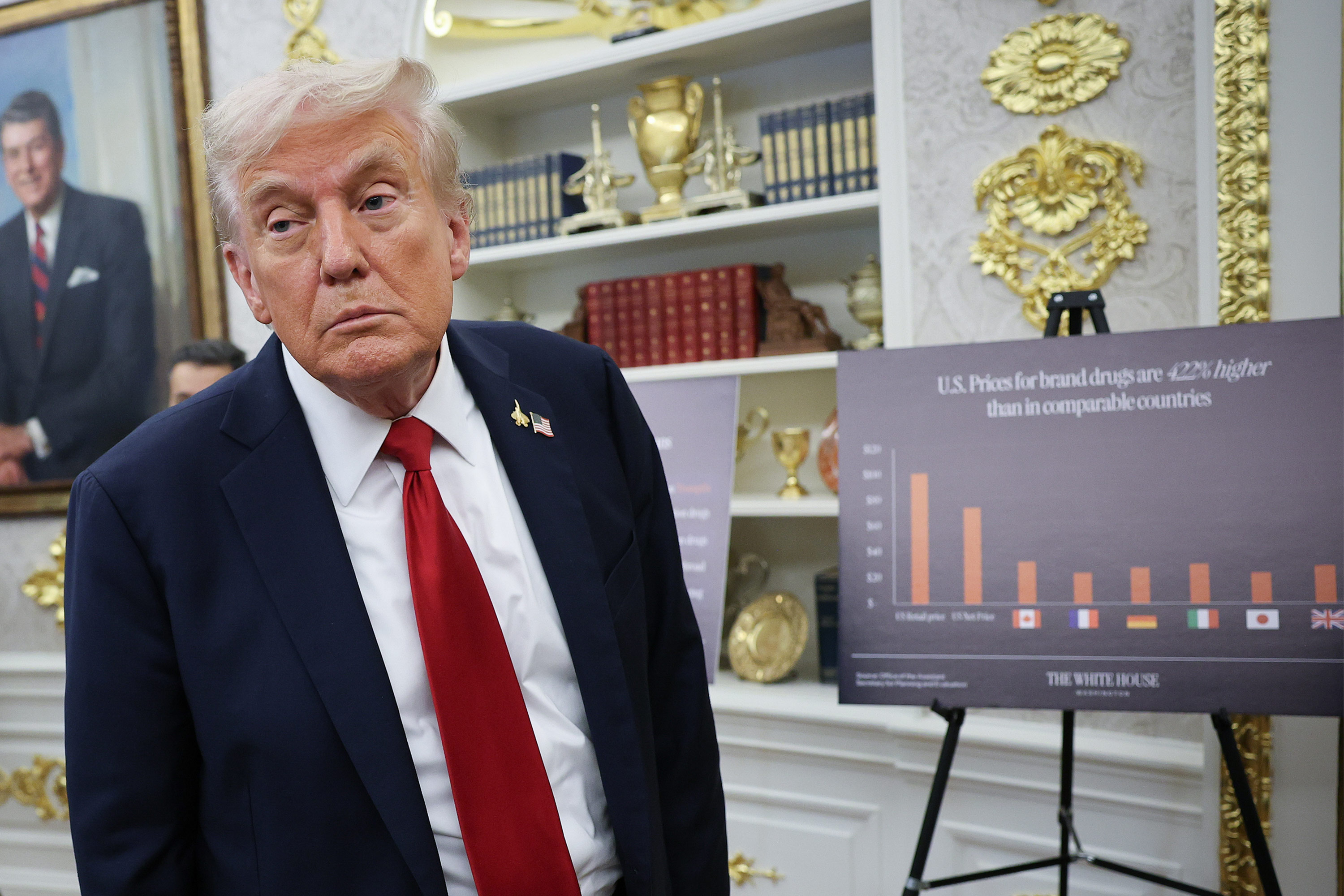
  • 3 Charts: Drug Prices in the United States

    News Release

    This post was updated to clarify that less than 10% of the nation's total health spending is spent on retail prescription drugs and does not include spending on drugs administrated by physicians or in hospitals.Prescription drug costs are a top concern for the American public. While retail prescription drugs represent less than 10% of total U.S. health spending and are not the primary driver of the nation’s high health costs, Americans often pay more for…

  • Copay Adjustment Programs: What Are They and What Do They Mean for Consumers?

    Issue Brief

    Drug makers sometimes offer copay coupons to lower consumers’ out-of-pocket costs for their brand-name prescriptions, though how private health plans treat those coupons can substantially limit their value to consumers. This issue brief provides an overview of such copay adjustment programs, stakeholder arguments for and against their use, their prevalence, and federal and state efforts to address them.

  • Americans’ Health Priorities Diverge From Washington’s Focus on Obamacare

    News Release

    In his latest column for The Wall Street Journal's Think Tank, Drew Altman finds the public’s health-care priorities have more to do with drug costs and other real-world issues people deal with using the health-care system than the ongoing partisan wrangling over the Affordable Care Act. All previous columns by Drew Altman are available online.

  • A Small Group of Patients Account for a Whole Lot of Spending

    From Drew Altman

    You have heard about the 5% of the population responsible for 50% of spending. Meet the 1.3%--persistent high spenders with very complex medical needs responsible for 20%. Drew Altman discusses this and possible ways to help them, read the Axios column.

  • Health Issues and the Election Quiz

    Feature

    Test your knowledge about health facts, policy issues and proposals that are emerging among the 2020 presidential candidates. The 10 questions focus on health issues in the 2020 election, including: health care costs, prescription drug prices, the Affordable Care Act and changes in health insurance coverage, reproductive health, and Medicare-for-all and public option proposals.

  • Premiums and Worker Contributions Among Workers Covered by Employer-Sponsored Coverage, 1999-2019

    Interactive

    This graphing tool allows users to explore trends in workplace-sponsored health insurance premiums and worker contributions over time for different categories of employers based on results from the annual Employer Health Benefits Survey. Breakouts are available by firm size, region and industry, as well as for firms with relatively few or many part-time workers, higher- or lower-wage workers, and older or younger workers.