Health Costs

The MIDTERMS

KFF Health Tracking Poll: MAHA and the Midterms

Chemical food additive and pesticide concerns associated with the Make America Health Again (MAHA) movement are shared broadly across the public. But when it comes to voters, health care costs are a higher priority and bigger motivator, even among MAHA supporters, a new KFF Health Tracking Poll finds. When asked to identify their most important health priority for government to address, far more MAHA-supporting voters identify lowering the cost of health care (42%) than other issues more closely associated with the movement.

Affordable care act

ACA Marketplace Survey Feature Image - Website

Cost Concerns and Coverage Changes: A Follow-Up Survey of ACA Marketplace Enrollees

This KFF survey is a follow-up survey of adults who had ACA Marketplace insurance in 2025. The survey examines the cost concerns and coverage changes of Marketplace enrollees following the end of the enhanced premium tax credits and finds that half of returning enrollees say their health care costs are “a lot higher” and most expect to cut back on basic household expenses to afford coverage.

Health System Tracker

What Are the Recent Trends in Employer-Based Health Coverage? Employer-sponsored health insurance is the largest source of health coverage for people under 65, but its reach is uneven.

How Does U.S. Life Expectancy Compare to Other Countries? The life expectancy gap between the U.S. and peer countries decreased from 4.1 years in 2023 to 3.7 years in 2024 as U.S. mortality dropped.

How Does Cost Affect Access to Health Care? In 2024, about 1 in 6 adults reported delaying or not getting healthcare due to cost, including medical or mental health care.

How Does Health Spending in the U.S. Compare to Other Countries? While the U.S. still spends the most in total dollars, eight OECD nations had a higher percentage increase in per-person health spending in 2024.

Latest News

No Posts to Show

Filter

681 - 690 of 1,581 Results

  • The Impact of Manged Care Legislation: An Analysis of Five Legislative Proposals from California – Report

    Report

    The Impact of Managed Care Legislation: An Analysis of Five Legislative Proposals from California Health Policy Economics GroupPrice Waterhouse LLP November, 1997 Executive Summary Managed care has grown tremendously in recent years. From 1988 to 1997, at firms with 200 or more employees, the proportion of employees enrolled in HMOs nationwide increased from 18 percent to 33 percent. The presence of managed care varies by state across the country but is particularly strong in California…

  • Kaiser Family Foundation/Princeton Survey Research Associates Study of Media Coverage of Managed Care: January 1990 – June 1997

    Poll Finding

    An analysis of media coverage (both print and broadcast) of managed care, from January 1 1990 to June 30, 1997. The study found that early coverage focused on managed care as a business story, and later years focused more on patient care and concerns about backlash. Overall, the media was found to be neutral in its coverage of managed care, although network TV and special series in newspapers were mostly critical. TOPLINE Download CHARTPACK Download…

  • Section 3: Employee Coverage, Eligibility, and Participation

    Report

    Employers are the principal source of health insurance in the U.S., providing health benefits to about 63% of nonelderly persons in 2002.4 Although the percentage of workers receiving health insurance through their own employer has exhibited only slight annual declines, the cumulative drop since 2001 is over four percentage points. The majority of this decline is among all small firms (3-199 workers). As a consequence, we estimate that there are at least five million fewer…

  • PPO Operations and Markets

    Report

    , prepared by InterStudy Publications with the support of the Kaiser Family Foundation provides information about Preferred Provider Organizations (PPOs), including the key differences between PPOs and other health plan types. The report is based on in-person interviews with 25 executives PPOs and written survey responses from 19 of their respective firms, representing as much as 80 percent of the PPO industry. The report also provides information on the different services offered by PPOs; savings…

  • Kaiser /Harvard Survey of Americans on Health Policy

    Poll Finding

    A telephone survey of 1,011 adults (between June 20 and July 9, 1996) about how health care reform (specifically Medicare reform, MSAs and the Kassebaum/Kennedy bill) fits into the upcoming November election. The survey was designed by the Kaiser Family Foundation, Harvard University, and Princeton Survey Research Associates (PSRA). The survey was conducted by PSRA. The The margin of error was plus or minus 3 percent. The survey data was released at a press briefing…

  • Beneath the Averages: An Analysis of Medicare and Private Expenditures

    Report

    This report compares Medicare and private health insurance per capita spending between 1970 and 1997, demonstrating that Medicare has done better or as well as the private sector in controlling the growth in health spending. Using National Health Expenditure accounts data, the analysis reveals the cumulative increase in per capita health care spending was lower for Medicare than the private sector between 1970 and 1997. Medicare most likely maintained its cumulative advantage, due to the…

  • Public Opinion Update-3006-Public-Opinion-Update

    Other Post

    Public Opinion Update Public Opinion Update Public Opinion Update THE UNINSURED The debate over how to expand health insurance coverage to the over 44 million Americans without it continues to be one of the most challenging issues facing policymakers today. This Public Opinion Update summarizes key findings from several surveys conducted by the Kaiser Family Foundation and the Harvard School of Public Health and a new survey conducted by the Foundation in conjunction with the…

  • A Brief Overview of Major Features of Pending Patient Protection Legislation: House and Senate Versions of H.R. 2990

    Report

    During the 1999 legislative year, both the U.S. House of Representatives and the U.S. Senate passed legislation addressing patient protections under health care plans. The purpose of this brief overview is to highlight in broad terms the key similarities and differences between the bills in four general areas: scope of coverage; patient protections; benefit claims and appeals procedures; and ERISA preemption of state laws and health plan liability (including expanded patients' rights to sue and…

  • ACA Marketplace Survey Feature Image - Website

    Cost Concerns and Coverage Changes: A Follow-Up Survey of ACA Marketplace Enrollees

    Poll Finding

    This KFF survey is a follow-up survey of adults who had ACA Marketplace insurance in 2025. The survey examines the cost concerns and coverage changes that these 2025 Marketplace enrollees are experiencing following the expiration of the enhanced premium tax credits. The survey finds that half of returning enrollees say their health care costs are “a lot higher” and most expect to cut back on basic household expenses to afford coverage.

  • Public Views on Prescription Drug Costs: Regulation, Affordability and TrumpRx

    Poll Finding

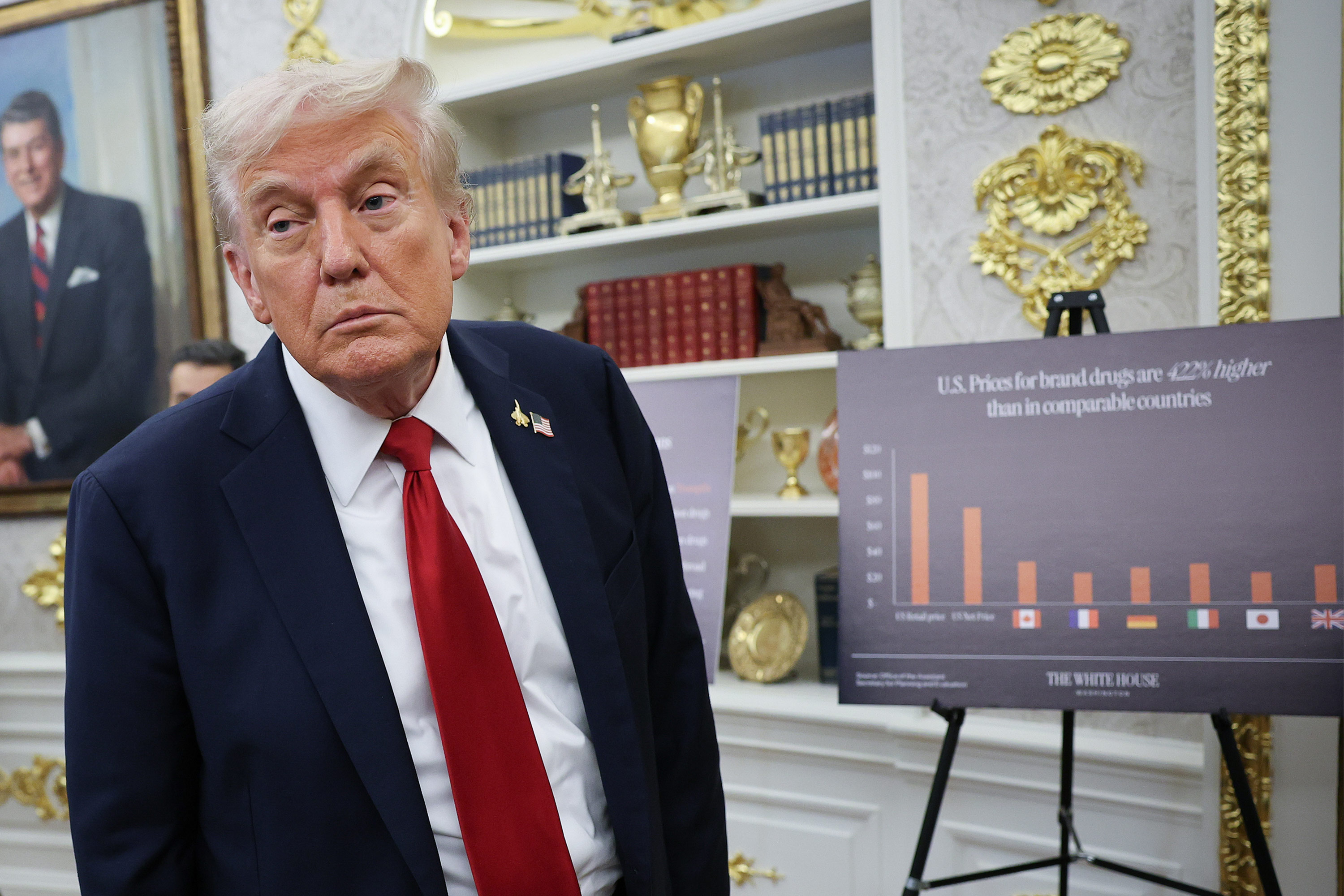
    Amid the Trump administration's focus on lowering prescription drug costs, including its new TrumpRx website, KFF's Health Tracking Poll finds that most Americans (59%) are worried about affording prescription drugs and support more regulation of prescription drug pricing (72%). Looking ahead to the 2026 midterm elections, the Democratic party currently holds the advantage when it comes to who voters trust to address the cost of health care, including prescription drugs.