Health Costs

The MIDTERMS

KFF Health Tracking Poll: MAHA and the Midterms

Chemical food additive and pesticide concerns associated with the Make America Health Again (MAHA) movement are shared broadly across the public. But when it comes to voters, health care costs are a higher priority and bigger motivator, even among MAHA supporters, a new KFF Health Tracking Poll finds. When asked to identify their most important health priority for government to address, far more MAHA-supporting voters identify lowering the cost of health care (42%) than other issues more closely associated with the movement.

Affordable care act

ACA Marketplace Survey Feature Image - Website

Cost Concerns and Coverage Changes: A Follow-Up Survey of ACA Marketplace Enrollees

This KFF survey is a follow-up survey of adults who had ACA Marketplace insurance in 2025. The survey examines the cost concerns and coverage changes of Marketplace enrollees following the end of the enhanced premium tax credits and finds that half of returning enrollees say their health care costs are “a lot higher” and most expect to cut back on basic household expenses to afford coverage.

Health System Tracker

What Are the Recent Trends in Employer-Based Health Coverage? Employer-sponsored health insurance is the largest source of health coverage for people under 65, but its reach is uneven.

How Does U.S. Life Expectancy Compare to Other Countries? The life expectancy gap between the U.S. and peer countries decreased from 4.1 years in 2023 to 3.7 years in 2024 as U.S. mortality dropped.

How Does Cost Affect Access to Health Care? In 2024, about 1 in 6 adults reported delaying or not getting healthcare due to cost, including medical or mental health care.

How Does Health Spending in the U.S. Compare to Other Countries? While the U.S. still spends the most in total dollars, eight OECD nations had a higher percentage increase in per-person health spending in 2024.

Stay informed.

Stay informed.

Filter

321 - 330 of 1,588 Results

  • Coverage of Colonoscopies Under the Affordable Care Act’s Prevention Benefit

    Report

    The Affordable Care Act (ACA) requires private health insurers to cover recommended preventive services such as colonoscopies without any patient cost-sharing. This report finds that confusion over whether colon cancer screenings are preventive care or treatment means patients sometimes receive unexpected bills for the procedure. The report examines cost-sharing practices for colorectal screenings through interviews with experts and officials in the medical and insurance industries. This report was co-authored by The Kaiser Family Foundation, American…

  • Prescription Drug Trends Fact Sheet – May 2010 Update

    Fact Sheet

    This updated fact sheet provides trend information about prescription drug expenditures and coverage, key factors that contribute to rising prescription spending, and efforts to contain rising drug costs. May 2010 Fact Sheet (.pdf)

  • Trends and Indicators in the Changing Health Care Marketplace: Chartbook

    Report

    This chartbook provides an overview of health care spending and trends in health plan enrollment. It highlights health insurance premiums and costs, health insurance benefits, the structure of the health care market. Data on the stock markets role within the health care industry and implications of health insurance trends for consumers and the safety net is also included. Chartbook

  • Managed Care And Low-Income Populations: A Case Study of Managed Care in Oregon

    Report

    To gather early insights and timely information for state and federal policymakers concerning how the movement to managed care is affecting the poor and their access to care, the Henry J. Kaiser Family Foundation and The Commonwealth Fund are jointly sponsoring case studies and population surveys in California, Minnesota, New York, Oregon, and Tennessee. This case study describes the first year's experience of Oregon's Initiative, the Oregon Health Plan (OHP). It is designed to furnish…

  • The Public Opinion Update on The Uninsured

    Other Post

    Kaiser Public Opinion Update, April 2000 summarizes key findings from past surveys on the uninsured conducted by the Kaiser Family Foundation and the Harvard School of Public Health and a new survey conducted by the Foundation in conjunction with The NewsHour with Jim Lehrer. The surveys show that the public is concerned about the problem of the uninsured, but that solutions remain elusive because of the lack of public consensus on the best approach and…

  • 2003 Health Insurance Survey

    Poll Finding

    The 2003 Kaiser Family Foundation Health Insurance Survey examines the public's level of satisfaction with their insurance coverage, their expectations of health insurance, the role of costs and other factors in health insurance decision-making, and attitudes toward employer-sponsored coverage. It also explores people's opinions about several alternative health insurance plans that are currently under consideration and explores how they might respond to these new options. Summary and Chartpack Toplines

  • Medicare Prescription Drugs Through Private Drug-Only Plans: A Discussion with Actuaries

    Report

    Central to the current debate over Medicare prescription drug coverage is the role of private insurance plans in providing drug benefits to Medicare beneficiaries. This report offers views from health actuaries knowledgeable about the Medicare program and the prescription drug debate on key issues that emerge for potential plan sponsors, such as insurers and PBMs, in providing prescription drug benefits to Medicare beneficiaries through private, drug-only plans. The views of the actuaries were obtained through…

  • The Midterms Lurk Behind Every Health Policy Move Now

    From Drew Altman

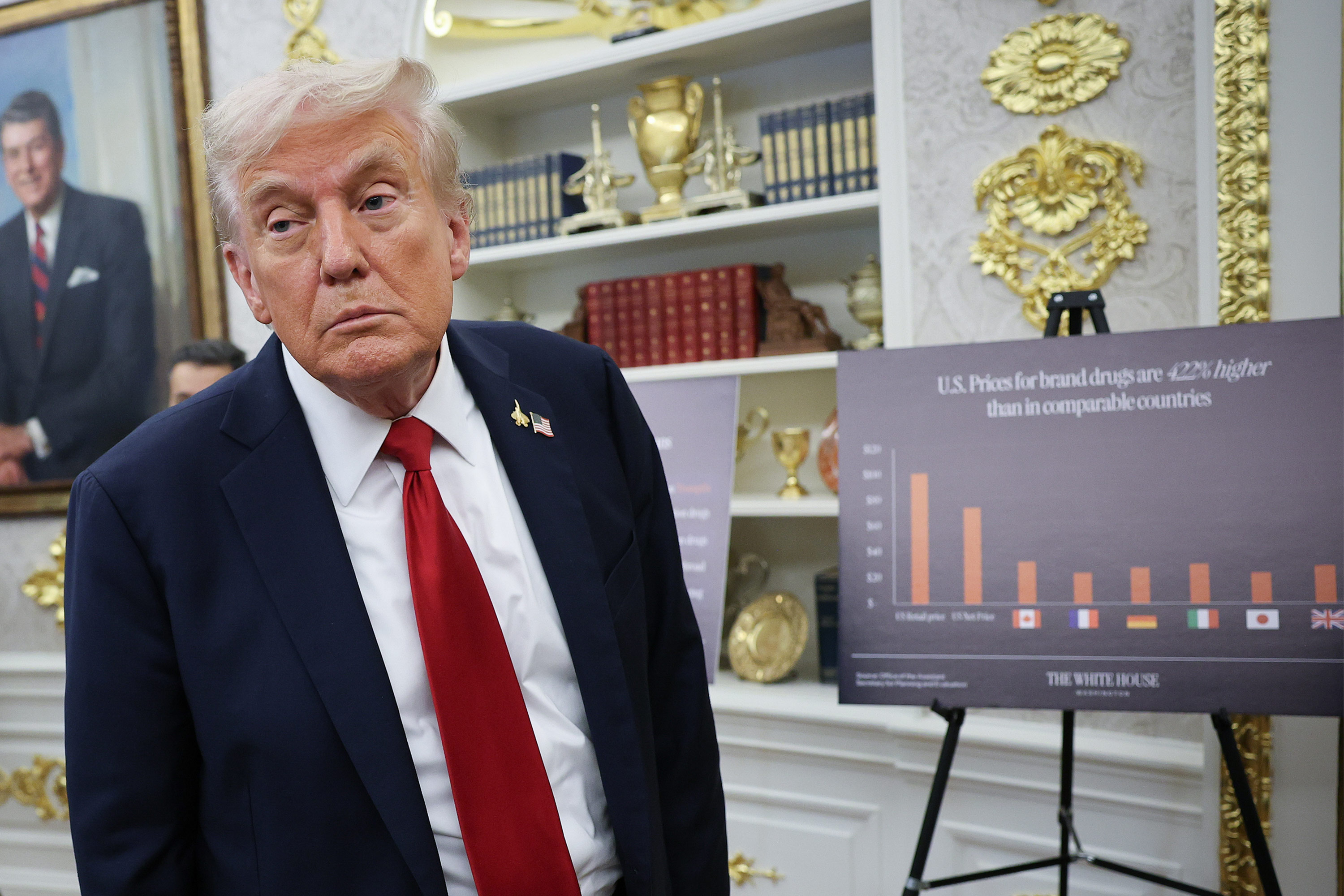
    In his latest column, President and CEO Dr. Drew Altman discusses how midterm political strategy will shape health policy in 2026, focusing on recent moves by President Trump. He writes: “Democrats start out with a significant advantage on health in the midterms, but rather than cut and run to other issues, Trump wants Republicans to try to erode that advantage where they can.”