Health Costs

The MIDTERMS

“...the search for a single top issue through polling questions — whether it’s health costs, or gas prices, or the cost of food — is artificial. People worry about and experience these costs together. There is no top issue, unless that issue is the catchall, ‘cost of living.’” — Drew Altman, KFF Founding President and CEO

Are Health Care Costs THE Top Issue for Voters?

In a new column, Dr. Drew Altman, Founding President and CEO, analyzes the polling on health costs as a voting issue and concludes that there is no one top voting issue. He writes: “I have come to the conclusion that the search for a single top issue through polling questions—whether it’s health costs, or gas prices, or the cost of food—is artificial. People worry about and experience these costs together. There is no top issue, unless that issue is the catchall, “cost of living.”


Health System Tracker

New and noteworthy

How Unaffordable is Health Care and What Can We Do About It?

Event Date:

On Tuesday, July 21, three experts joined Health Wonk Shop series moderator Larry Levitt in an hour-long discussion of health care affordability. During the discussion, panelists considered affordability from a variety of perspectives, including how to define affordability and the question of affordability for whom, how to measure it, and what can be done to address affordability and the underlying cost of health care.

Stay informed.

Stay informed.

Filter

241 - 250 of 1,603 Results

  • Snapshots: How Changes in Medical Technology Affect Health Care Costs

    Issue Brief

    Health expenditures continue to grow very rapidly in the U.S.  Since 1970, health care spending has grown at an average annual rate of 9.8%, or about 2.5 percentage points faster than the economy as measured by the nominal gross domestic product (GDP).  Annual spending on health care increased from $75 billion in 1970 to $2.0 trillion in 2005, and is estimated to reach $4 trillion in 2015.  As a share of the economy, health care…

  • Public Views on Prescription Drug Costs: Regulation, Affordability and TrumpRx

    Poll Finding

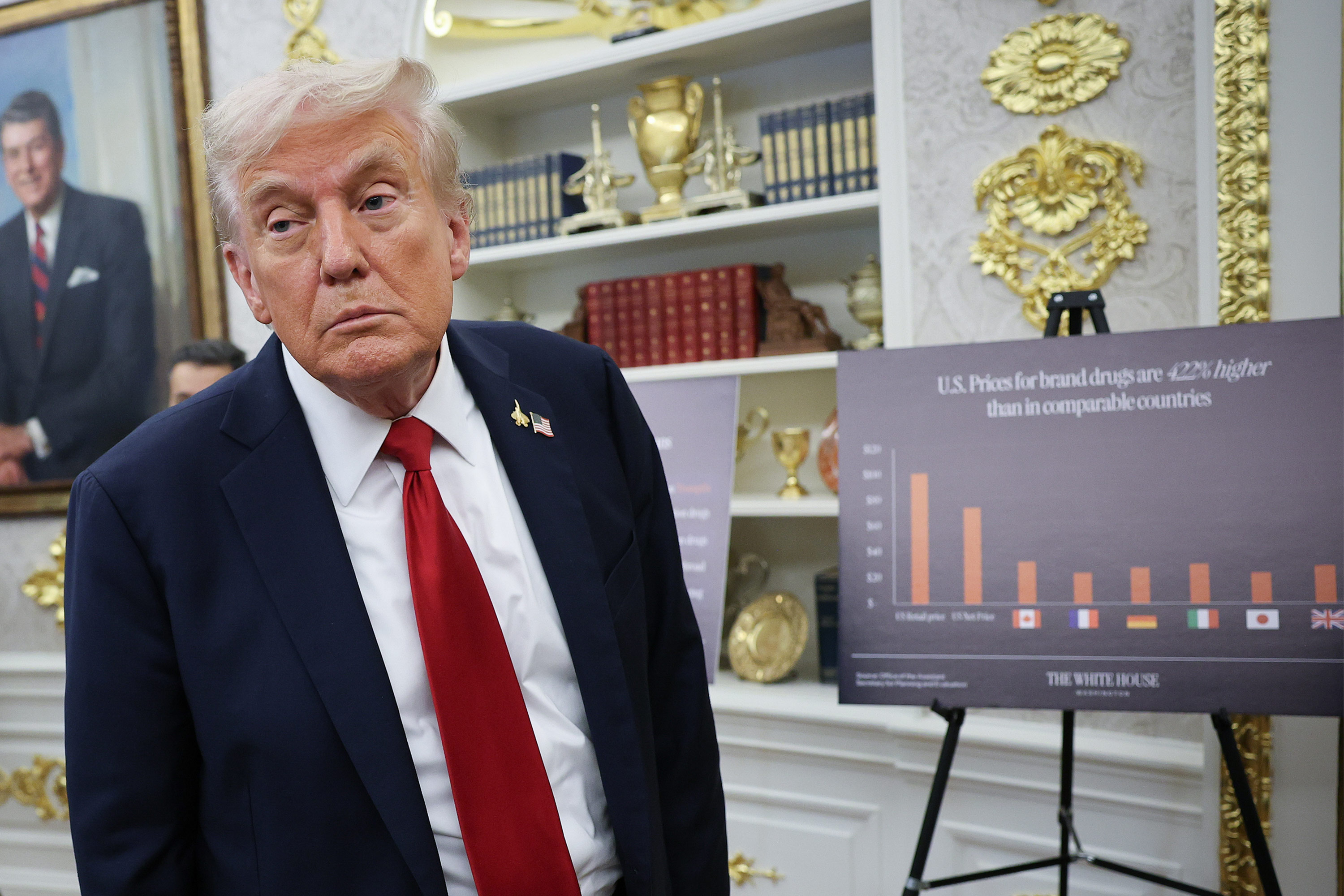
    Amid the Trump administration's focus on lowering prescription drug costs, including its new TrumpRx website, KFF's Health Tracking Poll finds that most Americans (59%) are worried about affording prescription drugs and support more regulation of prescription drug pricing (72%). Looking ahead to the 2026 midterm elections, the Democratic party currently holds the advantage when it comes to who voters trust to address the cost of health care, including prescription drugs.

  • Public Opinion on Prescription Drugs and Their Prices

    Poll Finding

    This chart collection draws on recent KFF poll findings to provide an in-depth look at the public's attitudes toward prescription drugs and their prices. Results include the U.S. public’s experiences with prescription drug costs, use of GLP-1 medications, and support for policy solutions.

  • How Does U.S. Life Expectancy Compare to Other Countries?

    Issue Brief

    This chart collection examines how life expectancy in the U.S. compares to that of other similarly large and wealthy countries. Life expectancy at birth in the U.S. increased 0.6 years from 78.4 years in 2023 to 79.0 years in 2024, its highest-ever level. However, the average life expectancy in comparable countries was 82.7 years, about 3.7 years longer than in the U.S., reflecting a persistently wide difference in life expectancy between the U.S. and comparable…

  • The New Ideas Conundrum in Health Policy

    From Drew Altman

    In a new column, President and CEO Dr. Drew Altman writes about the "conundrum of health policy ideas" facing Democrats searching for new proposals because of competing, and complex, priorities: rebuilding Medicaid and the ACA after trillion-dollar cuts, reconstructing federal health agencies, and tackling underlying health care costs, when candidates want simple ideas they can campaign on and voters want their costs to come down.

  • Prescription Drugs: Results from a National Survey

    Fact Sheet

    Prescription drugs have become an integral part of medical practice - they help keep people healthy and save lives. But rising prescription drug costs have placed a growing burden on consumers, employers, and public programs. The issue of drug coverage for seniors under Medicare has moved to center stage in the Presidential election. Findings from The NewsHour with Jim Lehrer/Kaiser Family Foundation/Harvard School of Public Health "National Survey on Prescription Drugs," a Public Opinion Update…

  • Poll: 1 in 8 Adults Say They’ve Taken a GLP-1 Drug, Including 4 in 10 of Those with Diabetes and 1 in 4 of Those with Heart Disease 

    News Release

    About one in eight adults (12%) say they have taken one of an increasingly popular class of prescription drugs known as GLP-1s that are used for weight loss and to treat diabetes and reduce the risk of heart disease and stroke, a new KFF Health Tracking Poll finds. This includes 6% of adults who say they are currently taking one of these drugs, which include Ozempic, Wegovy and MounjaroThe shares of adults who report ever…

  • Challenges with Effective Price Transparency Analyses

    Issue Brief

    Promoting price transparency in health care is a policy approach with bi-partisan support in Congress and the public at large. This analysis examines the vast troves of price transparency data that payers are required and finds unlikely prices, inconsistencies, and other oddities that pose major challenges for efforts to use it to promote competition and drive down prices.

  • Annual Family Premiums for Employer Coverage Rise 7% to Average $25,572 in 2024, Benchmark Survey Finds, After Also Rising 7% Last Year

    News Release

    Family premiums for employer-sponsored health insurance rose 7% this year to reach an average of $25,572 annually, KFF’s 2024 benchmark Employer Health Survey finds. On average, workers contribute $6,296 annually to the cost of family coverage.   This marks the second year in a row that premiums are up 7%. Over the past five years—a period of high inflation (23%) and wage growth (28%)—the cumulative increase in premiums has been similar (24%). While employers are…