Health Costs

The MIDTERMS

Democrats Hold a Nearly 2-to-1 Advantage Over Republicans on Handling the Cost of Health Care

Poll: Cost of Health Care and Gas Top Voters’ Midterm Concerns; Democrats Hold Significant Advantage on Health Care Costs and Cost of Living 

Prior to the 2026 midterm elections, health care costs remain tied with gas as voters’ top midterm concerns and the Democrats hold a clear edge over the Republicans Party on who voters trust to handle many top electoral issues, including the cost of health care and the cost of living. Two-thirds of U.S. adults now favor Medicare-for-all, a new high in KFF Polling, but support shifts when competing claims from critics and proponents are heard.


New and noteworthy

Health System Tracker

Is This A Healthcare Economy?

Health care employment has grown faster than other sectors of the economy, with jobs in physician offices, hospitals, outpatient care centers, home health, and other settings increasing over the past year even as the rest of the job market plateaued. 

U.S. Health Spending Is Expected to Reach $9 Trillion by 2034

How Much is Health Spending Expected to Grow?

This chart collection explores how much health spending is expected to grow in the coming years, with a look at growth in prescription drug spending, out-of-pocket spending, and related trends.

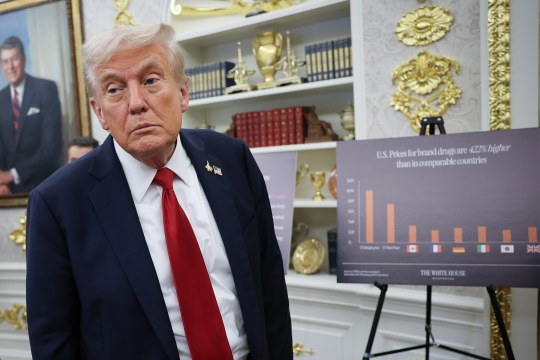
How TrumpRx Brand-Name Drug Prices Compare

TrumpRx prices for brand-name drugs are about as likely to be higher as lower compared to average prices in other wealthy countries, according to an analysis that compares 32 brand-name drugs.

Stay informed.

Stay informed.

Filter

231-240 of 1,629 results

  • Back to the Future? A look back at High-Risk Pools

    Quick Insights

    Sen. Vance suggested moving higher-risk individuals to different insurance risk pools than healthier ones... What could such a policy mean for health coverage and costs?

  • What is Medicaid Estate Recovery?

    Issue Brief

    Under estate recovery, state Medicaid programs are required to recover the costs of long-term care and related hospital and prescription drug services for enrollees ages 55 and older. KFF examines the wide variation in estate recovery practices across states as well as the criticisms of this policy, which have led to federal proposals to modify or reduce it.

  • Allowing Medicare to Negotiate Drug Prices Remains Broadly Popular Among Voters, Though Most Are Unaware of the Law and Its Projected Savings

    News Release

    Allowing Medicare to negotiate drug prices on behalf of older Americans remains broadly popular across partisans, though many voters are unaware of the new law and the billions of dollars it is expected to save in 2026, a new KFF Health Tracking Poll finds.A large majority (85%) of voters say they support allowing the federal government to negotiate the price of some prescription drugs for people with Medicare. This includes at least three quarters of…

  • Household Health Spending Calculator

    Interactive

    This interactive tool, updated with 2022 data, helps users understand health care costs vary by family size, income, insurance, and health status. Use the dropdown menus to explore scenarios and trends in household health spending.

  • KFF Health Tracking Poll September 2024: Harris v. Trump on Key Health Care Issues

    Feature

    Prior to the first fall presidential debate, a growing share of voters see the election as a referendum on abortion access, and Vice President Harris holds a strong advantage over former President Trump on the issue. The economy and inflation remain voters' top issue, and many want to hear the candidates address health care costs.

  • How Many Adults with Private Health Insurance Could Use GLP-1 Drugs

    Issue Brief

    More than two in five (42%) or 57.4 million adults under 65 with private insurance could be eligible under clinical criteria for GLP-1 drugs used to treat people with type 2 diabetes, obesity, or excess weight and weight-related health issues, according to a new KFF analysis. Though only about 3% of adults with employer coverage had a prescription in 2022, demand for and spending on GLP-1 drugs has grown and could continue to grow. Given…

  • What the Outcome of the Election Could Mean for Medicaid

    Issue Brief

    This brief examines the two presidential candidates’ records and other recent policy proposals that could inform starkly different directions for the program across key areas, including Affordable Care Act (ACA) Medicaid expansion, financing, eligibility, benefits, and cost-sharing, prescription drugs, long-term services and supports, and managed care.

  • Medical Debt: The Canary in the Coal Mine for Health Care Affordability

    Perspective

    With Vice President Harris promising to address medical debt as part of her economic plan, KFF Executive Vice President for Health Policy Larry Levitt explores why it is a symptom of the broader problem of affordable health care and reviews recent efforts to address it in this JAMA Health Forum post.