Health Costs

The MIDTERMS

Democrats Hold a Nearly 2-to-1 Advantage Over Republicans on Handling the Cost of Health Care

Poll: Cost of Health Care and Gas Top Voters’ Midterm Concerns; Democrats Hold Significant Advantage on Health Care Costs and Cost of Living 

With the 2026 midterms about a month away, health care costs remain tied with gas as voters’ top midterm concerns and the Democrats hold a clear edge over the Republicans Party on who voters trust to handle many top electoral issues, including the cost of health care and the cost of living. Two-thirds of U.S. adults now favor Medicare-for-all, a new high in KFF Polling, but support shifts when competing claims from critics and proponents are heard.


New and noteworthy

Americans’ Challenges with Health Care Costs

This data note reviews our recent polling data that finds that many Americans struggle to afford many aspects of health care, including disproportionate shares of uninsured adults, Black and Hispanic adults and those with lower incomes.

Health System Tracker

U.S. Health Spending Is Expected to Reach $9 Trillion by 2034

How Much is Health Spending Expected to Grow?

This chart collection explores how much health spending is expected to grow in the coming years, with a look at growth in prescription drug spending, out-of-pocket spending, and related trends.

Is This A Healthcare Economy?

Health care employment has grown faster than other sectors of the economy, with jobs in physician offices, hospitals, outpatient care centers, home health, and other settings increasing over the past year even as the rest of the job market plateaued. 

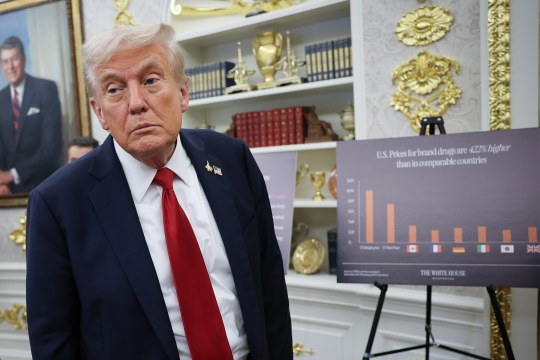
How TrumpRx Brand-Name Drug Prices Compare

TrumpRx prices for brand-name drugs are about as likely to be higher as lower compared to average prices in other wealthy countries, according to an analysis that compares 32 brand-name drugs.

Stay informed.

Stay informed.

Filter

1,421-1,430 of 1,622 results

  • National Survey of Physicians Part III: Doctors on Their Profession

    Poll Finding

      As part of the Kaiser Family Foundation's biennial National Survey of Physicians, the Foundation examined doctors views of their profession. The survey found that most physicians say the overall morale of physicians has decreased in the last five years. The majority of doctors say that managed care has negatively affected the way they practice medicine and doctors are more likely now than they were in 1999 to view managed care negatively. Doctors do believe…

  • National Survey of Physicians Part II: Doctors and Prescription Drugs

    Other Post

    With attention focused recently on direct-to-consumer advertising of prescription drugs, findings from a new National Survey of Physicians by the Kaiser Family Foundation shed light on another factor in drug promotion that has received less attention -- promotion to physicians. Most physicians say they have received perks from a drug company representative, including free drug samples, meals, tickets to events, free travel and other incentives. When asked their views on information they receive from drug…

  • 2001 Retiree Health and Prescription Drug Coverage Survey-6020

    Report

    2001 Retiree Health and Prescription Drug Coverage Survey This survey, released by the Kaiser Family Foundation, The Commonwealth Fund, and HRET, profiles retiree health coverage for Medicare-age (65+) retirees, including the amount retirees pay for coverage compared to active workers, cost-sharing for prescription drugs, and eligibility requirements for retiree benefits. The survey is based on the annual KFF/HRET Employer Health Benefits Survey News Release: New Survey Shows Retiree Health Benefits Continue to Decline Chart Pack

  • How Private Insurance Works: A Primer

    Report

    This primer, prepared by Gary Claxton of the Institute for Health Care Research and Policy at Georgetown University, examines the structure and operation of private health insurance including the types of organizations that provide it, how managed care is delivered, and how risk pools work and describes how private health insurance coverage is regulated under state and federal laws. The primer explains how the current nature of private insurance relates to key issues facing federal…

  • National Survey of Small Businesses

    Other Post

    Survey highlights/chartpack from a new survey that finds that two-thirds of small employers say that they are dissatisfied with the cost of health care and health insurance, and about one-third of small businesses that now offer insurance say they are likely to increase the share of costs borne by employees in the next year. Survey Highlights and Chart Pack

  • National Survey of Small Businesses – Toplines

    Poll Finding

    National Survey of Small Businesses Toplines from a new survey that finds that two-thirds of small employers say that they are dissatisfied with the cost of health care and health insurance, and about one-third of small businesses that now offer insurance say they are likely to increase the share of costs borne by employees in the next year. Toplines/Survey

  • National Survey of Small Businesses

    Report

    A survey finds that two-thirds of small employers say that they are dissatisfied with the cost of health care and health insurance, and about one-third of small businesses that now offer insurance say they are likely to increase the share of costs borne by employees in the next year. Survey Highlights and Chart Pack Toplines/Survey

  • Responding to the Threat of Bioterrorism:  Is California’s Public Health System Ready? — Issue Brief

    Issue Brief

    Responding to the Threat of Bioterrorism: Is California's Public Health System Ready? -- Issue Brief A 4-page issue brief which looks at the threat of bioterrorism and the public health system s role in responding to such an attack. The issue brief also addresses what can be done nationally and in California to prepare for a possible bioterrorist attack. The brief lists the panel for a California Health Policy Roundtable to be held in Sacramento,…

  • The President’s Fiscal Year 2003 Budget:  An Overview of Health Programs

    Report

    The President's Fiscal Year 2003 Budget: An Overview of Health Programs A new chartbook describes the government's overall budget situation and examines the health policies and programs proposed in the President's latest budget. Chartbook View a webcast of A Capitol Hill briefing on budgets and health care

  • Trends in Medicare Supplemental Insurance and Prescription Drug Coverage 1996-1999

    Other Post

    This paper, featured in the February 27, 2002, online issue of Health Affairs, examines trends in Medicare beneficiaries supplemental insurance and prescription drug coverage between 1996 and 1999, using the Medicare Current Beneficiary Survey (MCBS) Access to Care files. It also provides snapshot estimates of coverage among subgroups of Medicare beneficiaries in 1999. The findings from this study provide important context for the debate over current policy proposals to reform Medicare and extend prescription drug…