Health Costs

The MIDTERMS

Democrats Hold a Nearly 2-to-1 Advantage Over Republicans on Handling the Cost of Health Care

Poll: Cost of Health Care and Gas Top Voters’ Midterm Concerns; Democrats Hold Significant Advantage on Health Care Costs and Cost of Living 

With the 2026 midterms about a month away, health care costs remain tied with gas as voters’ top midterm concerns and the Democrats hold a clear edge over the Republicans Party on who voters trust to handle many top electoral issues, including the cost of health care and the cost of living. Two-thirds of U.S. adults now favor Medicare-for-all, a new high in KFF Polling, but support shifts when competing claims from critics and proponents are heard.


New and noteworthy

Americans’ Challenges with Health Care Costs

This data note reviews our recent polling data that finds that many Americans struggle to afford many aspects of health care, including disproportionate shares of uninsured adults, Black and Hispanic adults and those with lower incomes.

Health System Tracker

U.S. Health Spending Is Expected to Reach $9 Trillion by 2034

How Much is Health Spending Expected to Grow?

This chart collection explores how much health spending is expected to grow in the coming years, with a look at growth in prescription drug spending, out-of-pocket spending, and related trends.

Is This A Healthcare Economy?

Health care employment has grown faster than other sectors of the economy, with jobs in physician offices, hospitals, outpatient care centers, home health, and other settings increasing over the past year even as the rest of the job market plateaued. 

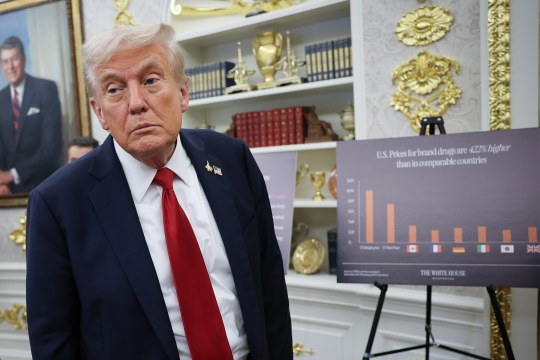
How TrumpRx Brand-Name Drug Prices Compare

TrumpRx prices for brand-name drugs are about as likely to be higher as lower compared to average prices in other wealthy countries, according to an analysis that compares 32 brand-name drugs.

Stay informed.

Stay informed.

Filter

1,361-1,370 of 1,623 results

  • Prescription Drugs’ Sizable Share of Health Spending

    From Drew Altman

    In this column for The Wall Street Journal’s Think Tank, Drew Altman explains why prescription drug spending may be a larger share of health spending than most people think, depending on how you look at it.

  • New Kaiser/New York Times Survey Finds One in Five Working-Age Americans With Health Insurance Report Problems Paying Medical Bills

    News Release

    Among the Insured with Medical Bill Problems, 63% Report Using Up Most or All Their Savings and 42% Took on an Extra Job or Worked More Hours Half of People Without Health Insurance Report Problems With Medical Bills, and They Face Similar Financial and Personal Consequences As Those With Insurance Among people with health insurance, one in five (20%) working-age Americans report having problems paying medical bills in the past year that often cause serious…

  • Surprise Medical Bills

    Issue Brief

    This brief explores the problem of "surprise medical bills" -- charges arising when an insured individual inadvertently receives care from an out-of-network provider. It reviews studies on the extent of the issue, including Kaiser Family Foundation polling data, and outlines state and federal policy responses, including rules and proposed rules for Medicare and plans in Affordable Care Act marketplaces.

  • How Health-Care Bills Hinder Millions of Americans

    News Release

    In his latest column for The Wall Street Journal’s Think Tank, Drew Altman examines the problems many Americans with health insurance are having paying medical bills based on a new Kaiser-New York Times Survey, and discusses why the issue of the adequacy of insurance coverage is gaining traction. All previous columns by Drew Altman are online.

  • The Good and Bad of Those Ubiquitous Drug Ads

    News Release

    In his latest column for The Wall Street Journal’s Think Tank, Drew Altman examines the public’s mixed views about prescription drug ads and their impact on prescribing patterns, based on a new Kaiser Family Foundation survey. All previous columns by Drew Altman are available online.

  • Visualizing Health Policy: A Snapshot of Cancer Spending and Outcomes

    Other Post

    This Visualizing Health Policy infographic provides details on cancer spending and outcomes in the United States. The U.S. cancer mortality rate, 203 deaths per 100,000 population, was slightly lower than in comparable countries in 2010. Among cancers, lung cancer is the largest contributor to disease burden for both men and women. The United States spent $124 billion to treat cancer in 2012, which accounted for about 7% of the nation’s disease-based health expenditures. However, growth…

  • Kaiser Health Tracking Poll: Health Care Priorities for 2017

    Feature

    The most recent Kaiser Health Tracking Poll finds that health care is among the top issues, with the economy and jobs and immigration, Americans want President-elect Donald Trump and the next Congress to address in 2017. As Congressional lawmakers make plans for the future of the Affordable Care Act, the latest survey finds the public is divided on what they would like lawmakers to do when it comes to the 2010 health care law with…