Affordable Care Act

Enhanced Premium tax credits

2025 KFF Marketplace Enrollees Survey

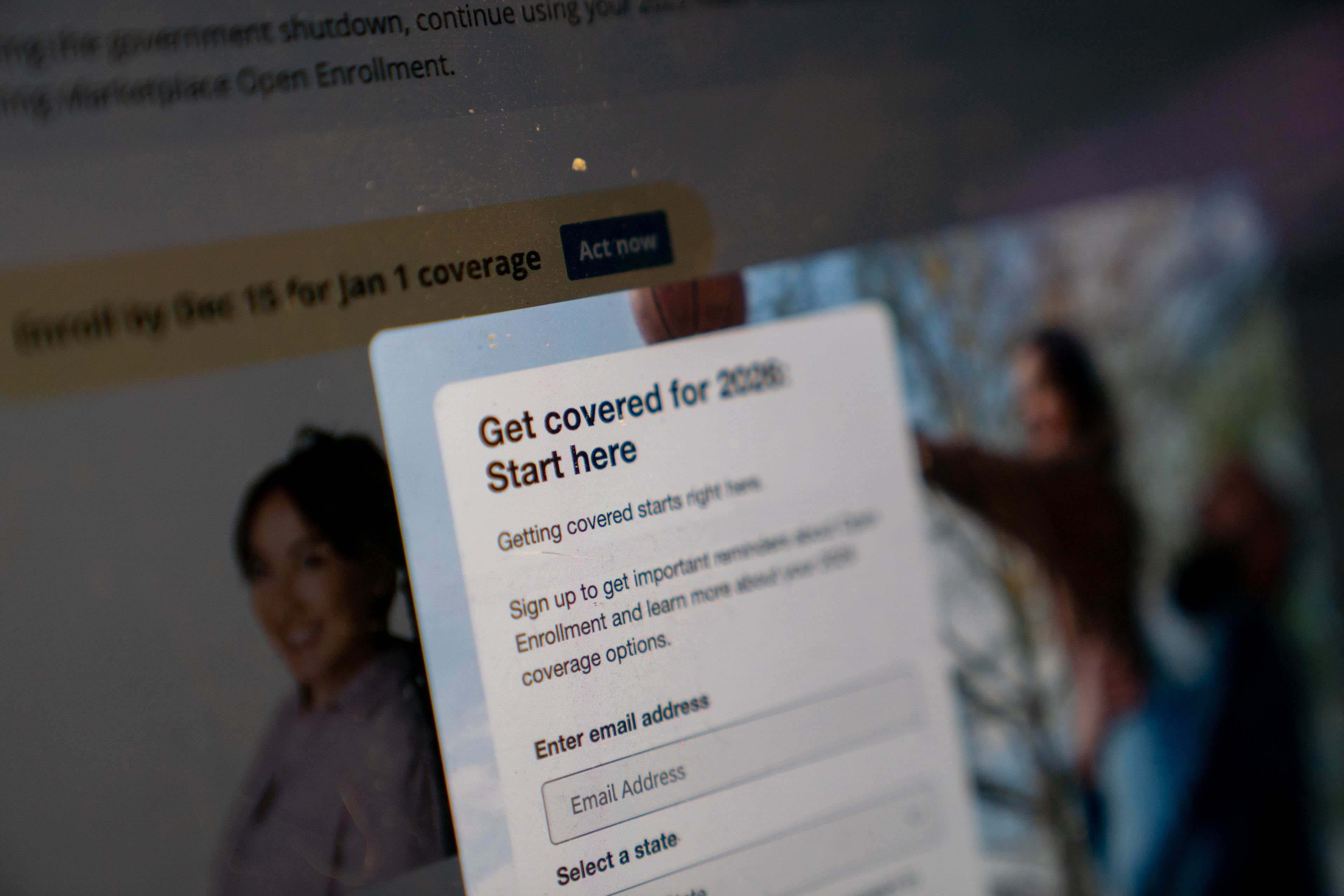
If the amount they pay in premiums doubles, about one in three enrollees in Affordable Care Act Marketplace health plans say they would be “very likely” to look for a lower-premium Marketplace plan.

Updated Larry QT on ePTCs

There is No Drop-Dead Date for an ACA Tax Credit Extension, But Coverage Losses Will Mount as the Clock Ticks

A discharge petition in the House paves the way for a vote on a three-year extension of the tax credits, which would provide ACA enrollees premium relief whenever it comes. While there is still time to extend the enhanced tax credits, with each passing day, more and more ACA Marketplace enrollees are going to drop their health insurance when faced with eye-popping increases in their premium payments, writes KFF’s Larry Levitt.

Timely insights and analysis from KFF staff

Subscribe to KFF Emails

Choose which emails are best for you.
Sign up here

Filter

641 - 650 of 2,754 Results

  • State Marketplace Profiles: Idaho

    Other

    Final update made on October 3, 2013 (no further updates will be made) Establishing the Marketplace On December 11, 2012, Governor C.L. Otter (R) announced Idaho’s commitment to the establishment of a State-based health insurance Marketplace and on March 28, 2013 signed into law legislation (HB248) creating the Idaho Health Insurance Exchange.

  • Analysis of 2015 Premium Changes in the Affordable Care Act’s Health Insurance Marketplaces

    Issue Brief

    This analysis provides an early look at premium changes for individuals in the health insurance marketplaces, created under the Affordable Care Act (ACA), in major cities across 15 states plus DC. Although premium changes vary across and within states, premium changes for 2015 in general are modest when looking at low-cost plans. On average, individuals will pay slightly less in premiums for the benchmark silver plan in 2015 than in 2014.

  • How Will the Uninsured in Pennsylvania Fare Under the Affordable Care Act?

    Fact Sheet

    This state report explains how the ACA expands coverage in Pennsylvania, including a breakdown of how many uninsured people are eligible for Medicaid, how many are eligible for financial assistance to help them buy private insurance in the new Marketplace and how many will not receive any financial assistance at all. The report also details, in specific dollar figures, the income levels at which people in Pennsylvania are eligible for Medicaid or financial assistance in the Marketplace. For states not expanding Medicaid, the report quantifies how many uninsured people fall into the “coverage gap,” meaning they will be ineligible for financial assistance in the Marketplace or for Medicaid in their state despite having an income below the federal poverty level.

  • Poll: Nearly Half of the Public Say They or a Family Member Skipped or Delayed Care Due to Coronavirus, But Most Plan to Get Care in the Coming Months

    News Release

    Nearly One in Four Expect a Family Member to Turn to Medicaid in the Coming Year, and Majorities across Party Lines Oppose Medicaid Cuts to Address State Budget Shortfalls Amid the threat of coronavirus, nearly half (48%) of Americans say someone in their family has skipped or delayed getting some type of medical care due…

  • Poll: Democrats Like Both the Public Option and Medicare-for-all, But Overall More People Support the Public Option, Including a Significant Share of Republicans

    News Release

    Lowering Drug Costs and Maintaining Pre-existing Condition Protections Top Public’s Health Priorities for Congress With the first votes of the 2020 Democratic presidential primary season approaching, large majorities of Democrats – and most of the public overall – support both of the major approaches primary candidates have put forward to expand coverage and make health…

  • Republican Voters Have Moved On from Hating the ACA

    From Drew Altman

    In this Axios column, Drew Altman analyzes KFF’s tracking poll and shows that the ACA is now yesterday’s issue for Republicans. They have shifted their sights to Medicare-for-all...at least for this election season.

  • Health Care and the Economy in Two Swing States: A Look at Ohio and Florida

    Poll Finding

    Two new surveys by NPR, the Kaiser Family Foundation and the Harvard School of Public Health examine the pocketbook problems facing people in Ohio and Florida -- two presidential swing states -- including their struggles with gas prices, getting and keeing a well-paying job and affording health care.