Affordable Care Act

The ACA MarketplaceS

Change in February effectuated enrollment, by state, 2025-2026

How Has ACA Marketplace Enrollment Changed Across States in 2026?

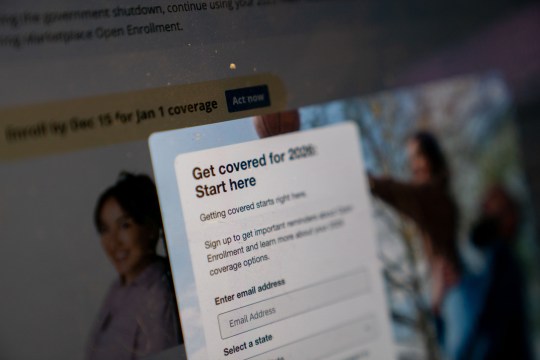
ACA Marketplace enrollment fell this year in every state except New Mexico, which was the only state to fully replace the enhanced premium tax credits that expired last year with a state-funded subsidy, according to a new KFF analysis of effectuated enrollment data. The Marketplace enrollment decline—the first in seven years—follows several years of rapid enrollment growth and coincides with the end of the enhanced federal subsidies.


How Much and Why ACA Marketplace Premiums Are Going Up in 2027

ACA Marketplaces insurers are proposing a median premium increase of 15% in 2027, according to KFF’s updated analysis of 276 insurers with publicly available filings across all 50 states and the District of Columbia. This is the second consecutive year of double-digit premium hikes. Last year’s median nationwide proposed rate change was 18%, and the median finalized rate change was 20%. While this proposed rate change is lower than last year, it represents the second-highest requested rate change since 2018, as premium growth had been relatively flat in this market for several years.

About the ACA

Promotional image for KFF video How Affordable is the Affordable Care Act

Did the Affordable Care Act Make Health Care More Affordable?

The expiration of the ACA’s enhanced premium tax credits at the start of 2026, combined with rising insurer premiums, put a spotlight on health care affordability that extends beyond Marketplace enrollees. KFF’s Cynthia Cox examines the ACA’s record and the broader underlying question it raises: what’s a fair price for Americans people to pay for health care?

Stay informed.

Stay informed.

Filter

551 - 560 of 2,787 Results

  • Investing in Health IT: What the U.S. and Other Countries Are Learning

    Event Date:
    Event

    Recent legislation, including the stimulus package and the new health reform law, invests substantial funds in health information technology which can help prevent medical errors and improve the quality and value of care. However, questions have been raised about the cost of implementation and personal privacy considerations. This briefing addressed questions such as: What have the U.S. and other countries learned from their experience with health IT? How is the adoption of this technology progressing…

  • Kaiser Health Tracking Poll – July 2009

    Poll Finding

    The July Kaiser Health Tracking Poll finds a majority of the public remains supportive of taking action on health reform now, though there is some softening of support as criticisms and doubts seem to be registering. As has been the case over the past ten months, a majority of the American people continue to believe that health reform is more important than ever despite the country's economic problems, and the public believes by a two…

  • Consumers’ Experience in Massachusetts: Lessons For National Health Reform

    Report

    This report examines the impact of state health reform efforts on the lives of ordinary people in Massachusetts, including a look at coverage provided by both public programs and private sources. It focuses specifically on people's ability to afford and obtain needed care. Report (.pdf)

  • Preventive Services Covered by Private Health Plans under the Affordable Care Act

    Fact Sheet

    Note:  This content was updated on February 28, 2024  to incorporate new FAQs from CMS. Tables 1 and 2 were also updated to include updated recommendations. It has been more than ten years since the Affordable Care Act (ACA) required private insurance plans to cover recommended preventive services without any patient cost-sharing. Research has shown that evidence-based preventive services can save lives and improve health by identifying illnesses earlier, managing them more effectively, and treating…

  • Pulling it Together: A Primer on Health in the Election

    Perspective

    There is a lot of talk in polling and political circles and some speculation in the media about the role of health reform in the midterm elections. We regularly measure what the public thinks about health reform and you see reports from our monthly tracking polls about that. But whether those opinions will translate into an impact on people’s votes in the upcoming election is an entirely different question. First, to understand what might happen in…

  • The Cost of the Individual Mandate Penalty for the Remaining Uninsured

    Issue Brief

    This analysis provides estimates of the share of uninsured people eligible to enroll in the Affordable Care Act marketplaces who will be subject to the individual mandate penalty, and how those penalties are increasing for 2016. It also provides estimates of the number of people who could have a zero-dollar contribution or pay less for health insurance than the penalty, due to premium subsidies, and the number of people who would pay more for a…

  • Pre-existing Conditions and Medical Underwriting in the Individual Insurance Market Prior to the ACA

    Issue Brief

    This brief reviews medical underwriting practices by private insurers in the individual health insurance market prior to 2014, and estimates how many American adults could face difficulty obtaining private individual market insurance because of a pre-existing condition if the Affordable Care Act (also known as Obamacare) were repealed or amended and such practices resumed.