Affordable Care Act

The ACA Marketplace

2025 KFF Marketplace Enrollees Survey

In 2025, about one in three ACA enrollees said they would be “very likely” to look for a lower-premium Marketplace plan If their premium payments doubled.

Cost Concerns and Coverage Changes: A Follow-Up Survey of ACA Marketplace Enrollees

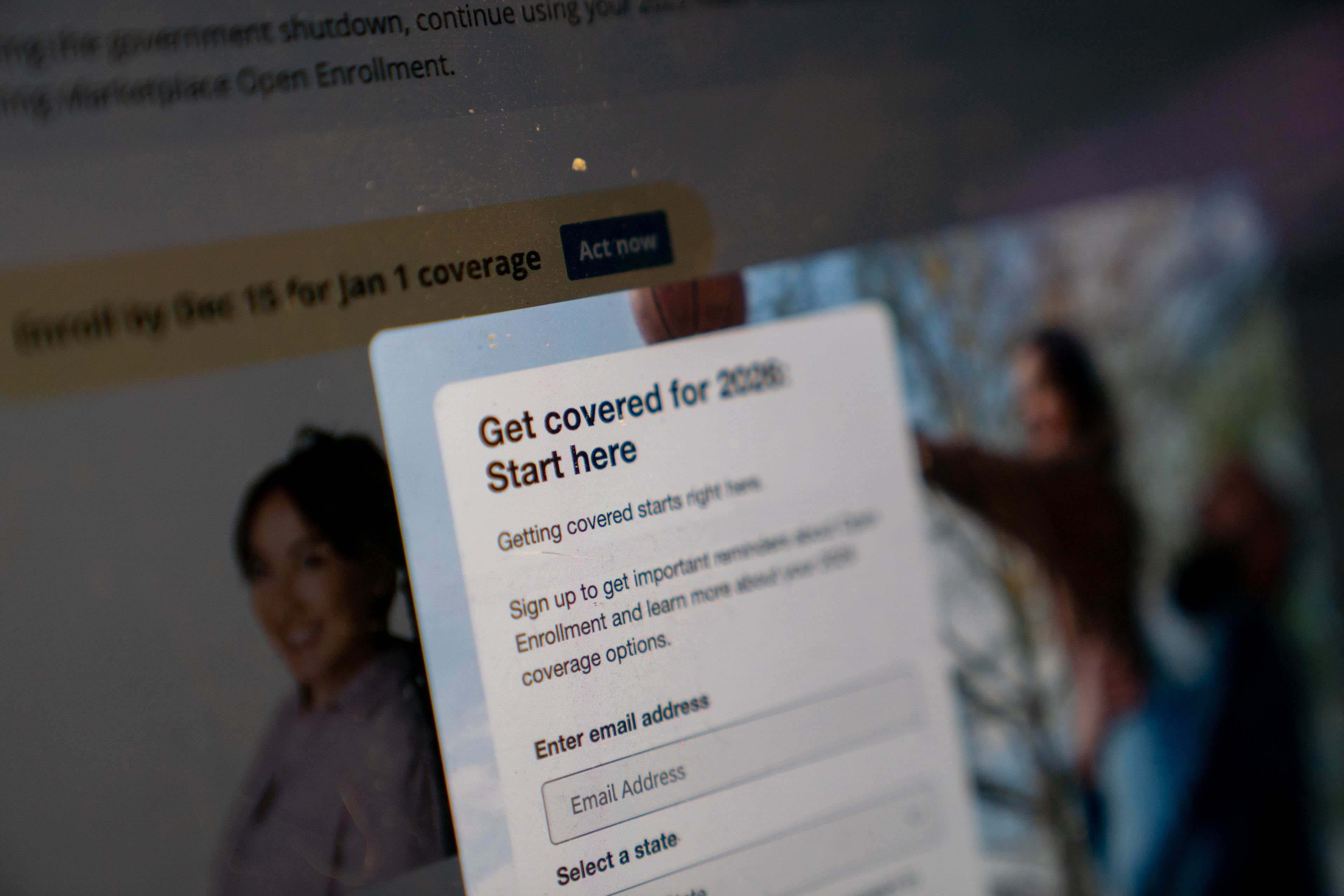
Following the expiration of the enhanced premium tax credits for people with Affordable Care Act (ACA) Marketplace plans, a new KFF follow-up survey of the same Marketplace enrollees KFF surveyed in 2025 finds half (51%) of returning enrollees say their health care costs are “a lot higher” this year compared to last year, including four in 10 who specifically say their premiums are “a lot higher.”

Timely insights and analysis from KFF staff

Subscribe to KFF Emails

Choose which emails are best for you.
Sign up here

Filter

461 - 470 of 2,769 Results

  • Kaiser Health Tracking Poll — May 2011

    Feature

    Most Americans oppose the idea of converting Medicaid to block grant financing to reduce the federal deficit, and more than half want to see no reductions at all in Medicaid spending.

  • Medicaid Spending Growth and the Great Recession, 2007-2009

    Fact Sheet

    This fact sheet examines how the recent recession drove up Medicaid enrollment as millions of Americans lost jobs and income, and how that increase in enrollment has been the primary cause of the increase in overall Medicaid spending. Fact Sheet (.

  • Pulling it Together: A Primer on Health in the Election

    Perspective

    There is a lot of talk in polling and political circles and some speculation in the media about the role of health reform in the midterm elections. We regularly measure what the public thinks about health reform and you see reports from our monthly tracking polls about that.

  • Kaiser Health Tracking Poll — August 2010

    Feature

    The August Health Tracking Poll finds that support for health reform fell over the course of August, dipping from a 50 percent favorability rating in July to 43 percent, while 45 percent of the public reported unfavorable views.

  • Findings of Kaiser Health Tracking Poll: Election 2008 — October 2008

    Poll Finding

    This document contains the key findings from the October Kaiser Health Tracking Poll: Election 2008 poll. The poll involved a nationally representative random sample of 1,217 adults ages 18 and older, including 1,115 adults who say they are registered to vote, who were interviewed by telephone between October 8 and 13, 2008.

  • Kaiser Health Tracking Poll — October 2011

    Feature

    The October health tracking poll finds a more negative overall public mood about the health reform law, driven largely by changes in support for the law among Democrats. The poll also asked the public’s impressions of the Massachusetts health reform law enacted under then- Gov.

  • Pulling it Together: Business and Health Care Costs

    Perspective

    Hidden away on page 218 of our annual Employer Health Benefits Survey is a table that shows what employers think of the main strategies they have to control health care costs.  More specifically, the table shows what the person in the firm responsible for its health benefits thinks, which is whom we survey.

  • Kaiser Health Tracking Poll — August 2011

    Feature

    The August tracking poll examines the views of Americans without health insurance, with a particular focus on how they think the health reform law will affect them.

  • Pulling it Together: 19.7

    Perspective

    Several years ago Joanne Silberner from NPR offered some advice I liked. Joanne said that the secret to effective communication was to "have a killer anecdote and a killer number." Here is a killer number: 19.7.

  • Pulling it Together: What Will Health Reform Do For Me?

    Perspective

    There is one poll number that may be more important to watch than any other if we have a big debate about health reform: The percentage of Americans who think that they or their families would be better off if the president and the Congress enacted major health reform legislation.