Affordable Care Act

The ACA Marketplace

2025 KFF Marketplace Enrollees Survey

In 2025, about one in three ACA enrollees said they would be “very likely” to look for a lower-premium Marketplace plan If their premium payments doubled.

Cost Concerns and Coverage Changes: A Follow-Up Survey of ACA Marketplace Enrollees

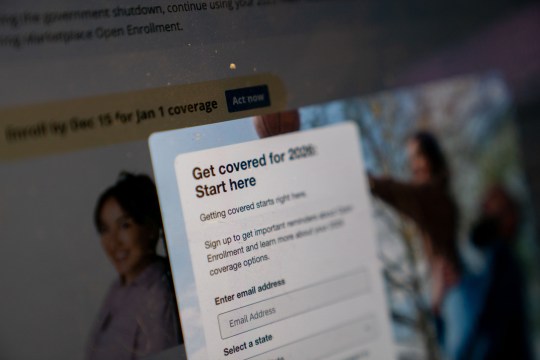
Following the expiration of the enhanced premium tax credits for people with Affordable Care Act (ACA) Marketplace plans, a new KFF follow-up survey of the same Marketplace enrollees KFF surveyed in 2025 finds half (51%) of returning enrollees say their health care costs are “a lot higher” this year compared to last year, including four in 10 who specifically say their premiums are “a lot higher.”

Timely insights and analysis from KFF staff

Latest News

No Posts to Show

Subscribe to KFF Emails

Choose which emails are best for you.
Sign up here

Filter

421 - 430 of 2,769 Results

  • Health Insurance Market Reforms: Guaranteed Issue

    Fact Sheet

    Guaranteed issue laws require insurance companies to issue a health plan to any applicant - an individual or a group - regardless of the applicant's health status or other factors. Currently, in most states, insurance companies can deny nongroup coverage to people based on their health status or their medical expenses over the past year. This means that an uninsured person who develops a certain condition, such as breast cancer, might not be able to…

  • Kaiser Health Tracking Poll — April 2012

    Feature

    The April poll gauged Americans' opinions of the Affordable Care Act (ACA) in the wake of the Supreme Court oral arguments in the legal challenges to the health reform law in March. The increased public attention to the Affordable Care Act generated by the Supreme Court's consideration of the law did not meaningfully change the public's opinion of the law overall or of the specific provision at the heart of critics' legal case against it,…

  • Pulling it Together: The Most Popular Provision in the ACA?

    Perspective

    In our most recent monthly tracking poll, we asked the American people what elements of the health reform law they like and dislike. Surprisingly, the runaway favorite was a relatively obscure requirement that health plans provide consumers with a short, easy to understand description of their benefits and coverage. Sixty percent of the American people gave this requirement for greater transparency in health insurance benefits a very favorable rating, the only provision in the law…

  • Research Brief: Insurance Coverage and Access to Care in Primary Care Shortage Areas

    Issue Brief

    As both federal and state governments gear up to implement the Patient Protection and Affordable Care Act (ACA), concerns about the supply and distribution of physicians, particularly primary care physicians, are being raised. In many areas of the country, there is a shortage of primary care physicians, and some worry about whether the current workforce can meet the growing demand for services that will likely accompany coverage expansions. To inform provider workforce issues related to…

  • West vs. South: Regional Differences in Views of the Health Reform Law

    Poll Finding

    This Data Note examines regional variations in public opinion of the health reform law based on the November 2010 Kaiser Health Tracking Poll. The analysis takes a special look at the Western and Southern regions of the country, where many states are likely to see the biggest increases in coverage under the law, and which stand to be disproportionately eligible for federal Medicaid funds. Despite these similarities in how the two regions might be affected,…

  • How Popular is the Idea of Repealing Health Reform?

    Poll Finding

    With a number of this fall’s candidates for public office advocating an overturn of the new health reform law, this Data Note takes a closer look at the variety of polls that have attempted to measure the public’s support for repeal. Data Note (.pdf) For an updated look on Americans' views on repealing the Affordable Care Act, see: The Public, Health Care Reform, and Views on Repeal January 2011

  • Kaiser Health Tracking Poll — September 2010

    Feature

    Six months since the enactment of the Patient Protection and Affordable Care Act and a month and a half before the midterm congressional elections, Kaiser's September Health Tracking Poll finds the public remains divided on the new law. Public confusion over the new health law has risen to its highest point since April. The tug of war for public opinion on health reform continues this month, with approval and disapproval staying in the same relatively…

  • Kaiser Health Tracking Poll — May 2010

    Feature

    Confusion over the new health reform law declined but remains widespread, with 44 percent of the public saying they were confused in May, compared to 55 percent in April. Moreover, more than a third of Americans (35%) say they do not understand what the impact of the law will be on themselves and their families, while 61 percent report feeling they do understand what that impact will be. Americans continue to report getting information about…

  • Kaiser Health Tracking Poll — April 2010

    Feature

    The first Kaiser Health Tracking Poll fielded since the passage of health reform last month finds that 8 in 10 Americans know that President Obama signed the legislation into law. But 55 percent say they are confused about the law and more than half (56%) say they don’t yet have enough information to understand how it will affect them personally. The poll finds that the public supports many of the provisions of health reform that…

  • Kaiser Health Tracking Poll — March 2010

    Feature

    The March Kaiser Health Tracking Poll finds the public still divided on health reform legislation, with 46 percent of Americans backing the reform proposals on Capitol Hill, 42 percent opposing them and 12 percent saying they aren't sure. Six in 10 Americans say they have heard little or nothing about budget reconciliation. And many people continue to struggle with health costs, with nearly one in five saying cost increases have caused them or their employer…