Affordable Care Act

Enhanced Premium tax credits

2025 KFF Marketplace Enrollees Survey

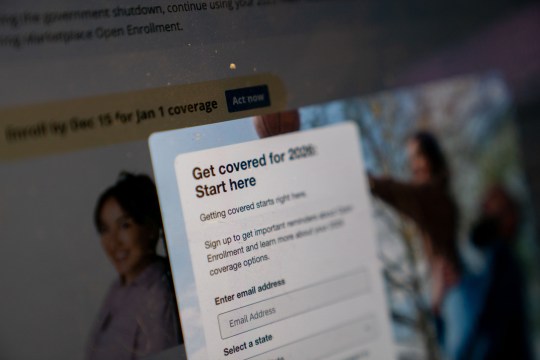
If their premium payments double, about one in three ACA enrollees say they would be “very likely” to look for a lower-premium Marketplace plan.

Timely insights and analysis from KFF staff

Subscribe to KFF Emails

Choose which emails are best for you.
Sign up here

Filter

321 - 330 of 2,759 Results

  • The New ACA Repeal and Replace: Health Savings Accounts

    Policy Watch

    Proposals from some Republicans in Congress would effectively repeal some or all of the ACA premium tax credits and replace them with contributions to Health Savings Accounts (HSAs) or something similar. Senator Rick Scott proposes “Trump Health Freedom Accounts” and Senator Bill Cassidy proposes HSA contributions available only for people who enroll in bronze level ACA plans to pay for out-of-pocket health care costs.

  • Map shows the percentage point increase in the uninsured population due to the budget reconciliation package based on CBO estimates, by state. An Additional 10M People Nationwide Could be Uninsured in 2034 Due to the Budget Reconciliation Law

    How Will the 2025 Reconciliation Law Affect the Uninsured Rate in Each State?

    Issue Brief

    This analysis apportions the increase in the number of uninsured across the 50 states and DC. CBO estimates that the reconciliation law will increase the number of uninsured by 10M in 2034 and rise to over 14M if enhanced premium tax credits for ACA Marketplace enrollees expire later this year.

  • How Narrow or Broad Are ACA Marketplace Physician Networks?

    Report

    This report examines the share of doctors participating in the provider networks of Qualified Health Plans (QHPs) offered in the individual market in the federal and state Marketplaces in 2021, and how network breadth affected costs for enrollees.

  • A Medicaid Per Capita Cap: State by State Estimates

    Issue Brief

    This analysis examines the potential impacts on states, Medicaid enrollees, and providers of implementing a per capita cap on federal Medicaid spending, which is one proposal that has been discussed in Congress. Such a plan could decrease federal Medicaid spending by $532 billion to almost $1 trillion over a 10-year period, depending on how states respond. An estimated 15 million people could lose Medicaid coverage by 2034.

  • Health Provisions in the 2025 Federal Budget Reconciliation Law

    Issue Brief

    On July 4, President Trump signed the budget reconciliation bill, previously known as the “One Big Beautiful Bill Act,” into law. This summary provides background, description, budgetary impact and related information on the health care provisions of the law in four categories: Medicaid, the Affordable Care Act, Medicare and Health Savings Accounts (HSAs).

  • Calculator: ACA Enhanced Premium Tax Credit

    Feature

    The ACA's enhanced premium tax credits expired at the end of 2025. This calculator estimates how much out-of-pocket premium payments would increase for families without the enhanced credits. The projected premium increases are estimated based on family income, zip code, size, ages, and 2026 ACA Marketplace premiums.

  • Medicaid as a Potential New Third Rail of US Politics

    Perspective

    In this JAMA Forum column, KFF's Larry Levitt examines Medicaid's growing political importance and the potential double whammy that could hit state Medicaid programs next year with the end of the COVID-19 public health emergency and a possible simultaneous recession.

  • Nine Changes to Watch in ACA Open Enrollment 2023

    Policy Watch

    The 2023 Affordable Care Act (ACA) Open Enrollment period will run from November 1, 2022 to January 15, 2023 in most states, longer in some state-based marketplaces. This policy watch examines nine changes that may affect what enrollees pay for coverage, the size of tax credits for those eligible, and other changes that could affect enrollees' experiences.