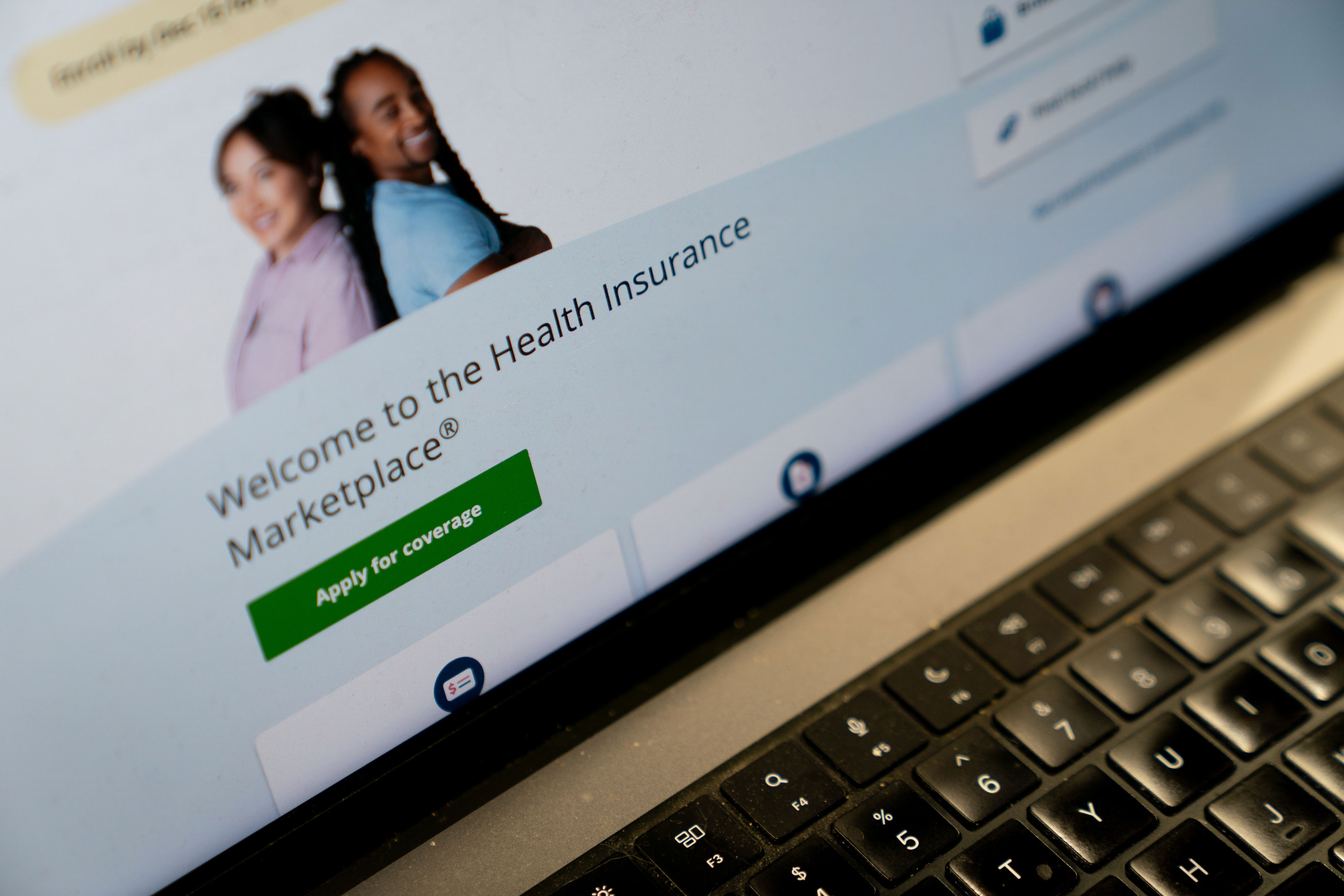
Affordable Care Act

The ACA Marketplace

2025 KFF Marketplace Enrollees Survey

In 2025, about one in three ACA enrollees said they would be “very likely” to look for a lower-premium Marketplace plan If their premium payments doubled.

Cost Concerns and Coverage Changes: A Follow-Up Survey of ACA Marketplace Enrollees

Following the expiration of the enhanced premium tax credits for people with Affordable Care Act (ACA) Marketplace plans, a new KFF follow-up survey of the same Marketplace enrollees KFF surveyed in 2025 finds half (51%) of returning enrollees say their health care costs are “a lot higher” this year compared to last year, including four in 10 who specifically say their premiums are “a lot higher.”

Timely insights and analysis from KFF staff

Subscribe to KFF Emails

Choose which emails are best for you.
Sign up here

Filter

2,491 - 2,500 of 2,771 Results

  • This graphic explains the main features of new surprise billing protections.

    No Surprises Act Implementation: What to Expect in 2022

    Issue Brief

    The “No Surprises Act,” which establishes new federal protections against most surprise out-of-network medical bills when a patient receives out-of-network services during an emergency visit or from a provider at an in-network hospital without advance notice, will take effect next month. A new KFF brief outlines what to expect in 2022.

  • Health Care Inflation in the U.S.

    Event Date:
    Event

    The pressures of inflation are far reaching, affecting providers, insurers, government programs such as Medicaid and Medicare, and, ultimately, the American people. Over the coming months, health care providers and insurers will wrap up pricing negotiations and set premiums for the next year. Amid these negotiations, there remain big questions as to how economic policy and legislation such as the Inflation Reduction Act will influence pricing and payment for insurance and health care, including prescription drugs, and who will bear the brunt of rising costs.

  • 2022 Survey of ACA Marketplace Assister Programs and Brokers

    Report

    This survey of Marketplace assister programs and brokers tracks the experiences of professionals signing people up for Affordable Care Act coverage. It also examines the role that these programs expect to play when the COVID-19 public health emergency (PHE) ends, potentially ending Medicaid eligibility for millions of Medicaid enrollees.

  • ¿Quién es elegible para recibir subsidios para las primas?

    FAQs

    Los subsidios para las primas están disponibles para ciudadanos estadounidenses y ciertos inmigrantes con residencia legal que adquieran cobertura en el mercado de seguros y cuyos ingresos sean al menos iguales al 100% del Nivel Federal de Pobreza (FPL) ($15.650 para un adulto soltero o $32.150 para una familia de cuatro) en 2026.

  • ¿Cómo funcionan los subsidios para las primas?

    FAQs

    Los subsidios para las primas reducen la prima (lo que paga cada mes por su cobertura) para la mayoría de los planes del mercado de seguros. El monto del crédito fiscal que puede recibir depende de sus ingresos y del costo de los planes de salud del mercado en su área.