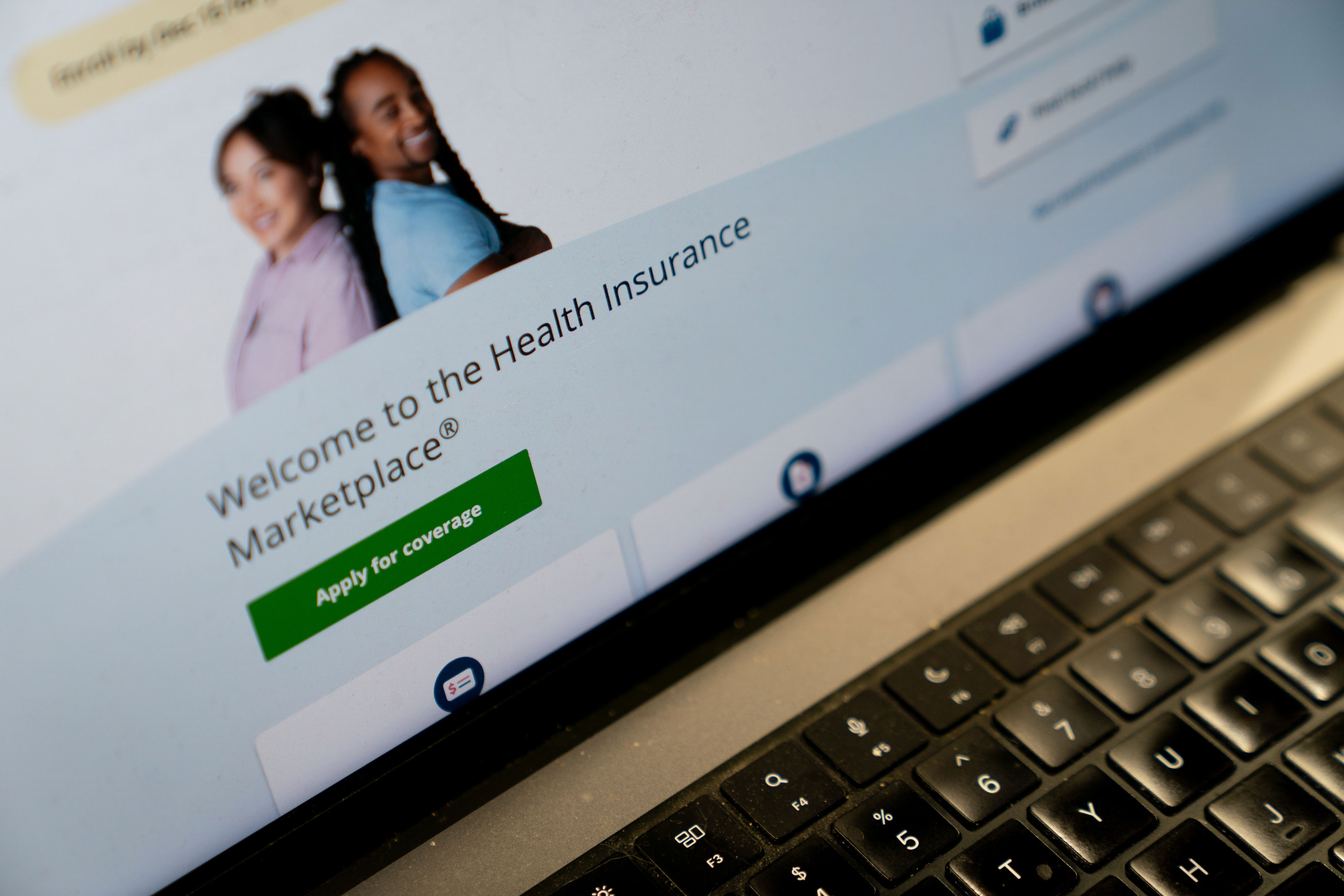
Affordable Care Act

Enhanced Premium tax credits

2025 KFF Marketplace Enrollees Survey

If their premium payments double, about one in three ACA enrollees say they would be “very likely” to look for a lower-premium Marketplace plan.

Timely insights and analysis from KFF staff

Subscribe to KFF Emails

Choose which emails are best for you.
Sign up here

Filter

1,861 - 1,870 of 2,759 Results

  • Implications of Reduced Federal Medicaid Funds: How Could States Fill the Funding Gap?

    Issue Brief

    In this analysis, we present three scenarios of reductions in federal Medicaid spending and examine fiscal implications if states fill these financing gaps to maintain their programs and if all reductions are assumed to be in full effect in FFY 2015 (the most recent year for which Medicaid spending data is available). To fill these gaps in financing and maintain current Medicaid programs, we assume states will increase state spending for Medicaid by increasing state taxes or reducing education spending. This analysis is unlike the CBO estimate, which makes projections and accounts for changes in policy, state responses to make changes to Medicaid programs, and reductions in coverage.

  • Why Deductibles Would Rise Under the GOP Health Care Plan

    From Drew Altman

    This inaugural Drew Altman column for Axios examines how the GOP House bill would impact deductibles for people who buy insurance in the non-group market. A KFF analysis for the column shows deductibles in a typical non-group plan would be about $1550 higher under the American Health Care Act compared to the Affordable Care Act.

  • Public Opinion on Women’s Health and Preventive Care

    Feature

    This slideshow draws on findings from a recent Kaiser Health Tracking Poll to provide an in-depth look at public opinion on women's health and preventive care. Results include Americans' awareness and attitudes toward Affordable Care Act provisions for women's health and preventive care, as well as the public's views toward federal funding for Planned Parenthood and reproductive health care for lower income women.

  • Data Note: What if Per Enrollee Medicaid Spending Growth Had Been Limited to CPI-M from 2001-2011?

    Issue Brief

    Congress is currently debating the American Health Care Act (AHCA), which would repeal and replace the Affordable Care Act (ACA) and also make substantial changes to the structure and financing of Medicaid. Among other provisions, the AHCA would use a per capita cap policy to cap federal funds to states for Medicaid. This data note examines what the implications of tying per enrollee growth to CPI-M would have been for the 2001-2011 period for federal spending nationally and state-by-state by major enrollment group. This analysis is meant to illustrate how actual spending compares to spending limits that would have been in place if growth rates had been limited to CPI-M, similar to the limits proposed by the AHCA.

  • Medicaid Restructuring Under the American Health Care Act and Implications for Behavioral Health Care in the US

    Issue Brief

    This brief outlines Medicaid’s role for people with behavioral health conditions and the implications of the American Health Care Act for these enrollees. It includes information on the potential impact of ending the enhanced federal financing for newly eligible adults, removing essential health benefits from state plan amendments, and converting federal Medicaid funding into a per capita cap.

  • Key Questions About Medicaid Block Grants

    News Release

    As policymakers in Washington discuss Affordable Care Act repeal and a possible block grant for Medicaid, a new issue brief from the Kaiser Family Foundation lays out key questions to consider in restructuring federal financing of the nation’s health insurance program for low-income Americans.

  • Three Quarters of the Public, Including a Majority of Trump Supporters, Want President Trump to Try to Make the Affordable Care Act Work

    News Release

    Americans See Many Factors Behind AHCA’s Failure, But Few Republicans Blame President Trump Despite divided views about the Affordable Care Act, three-fourths of the public (75%) say President Trump and his administration should do what they can to make the law work, while one in five (19%), including 38 percent of Republicans, say the Administration…