Affordable Care Act

Enhanced Premium tax credits

2025 KFF Marketplace Enrollees Survey

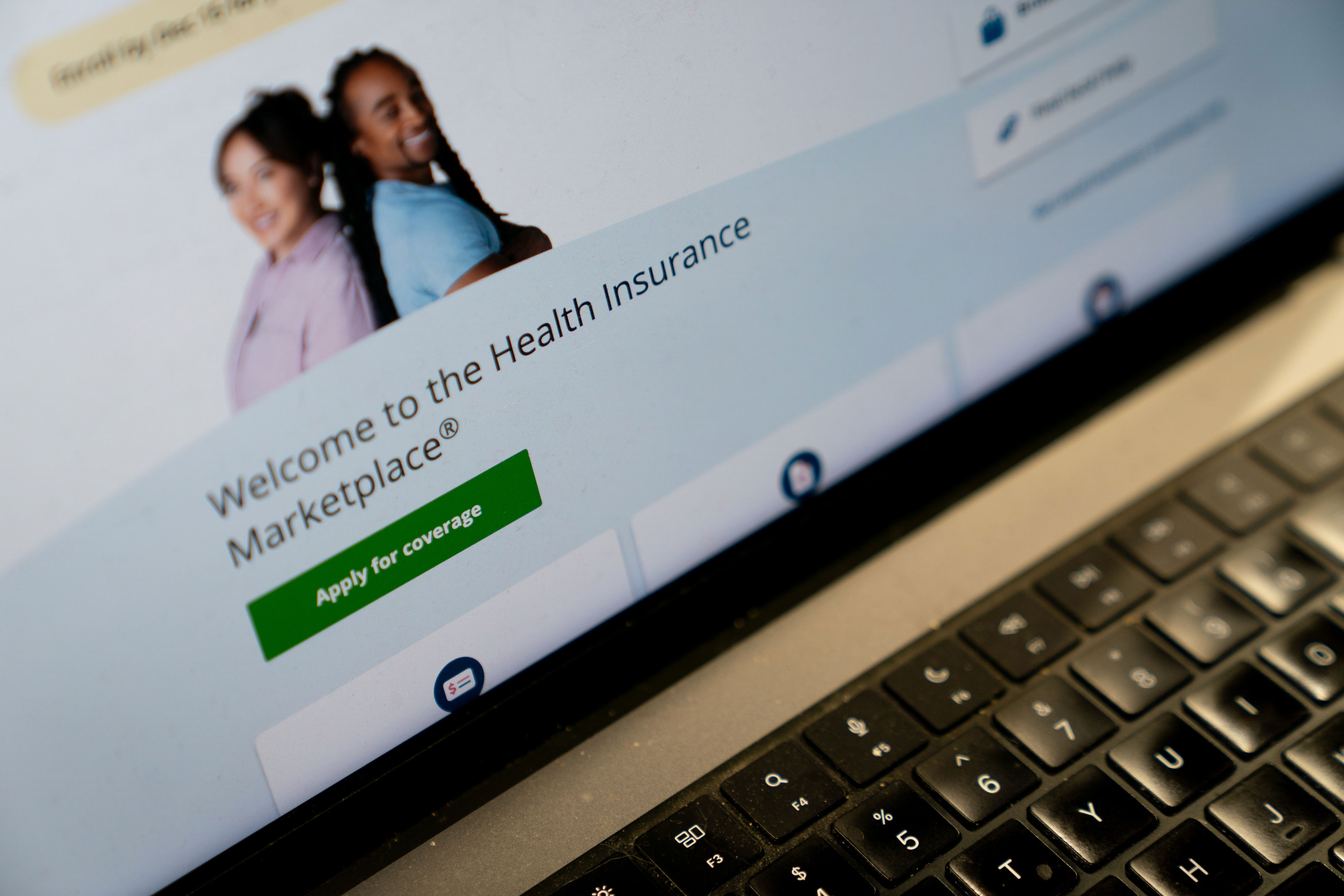
If their premium payments double, about one in three ACA enrollees say they would be “very likely” to look for a lower-premium Marketplace plan.

Timely insights and analysis from KFF staff

Subscribe to KFF Emails

Choose which emails are best for you.
Sign up here

Filter

1,711 - 1,720 of 2,762 Results

  • Tracking the Role of Health Care in the 2020 Election: What Do The Polls Tell Us

    Perspective

    In this February 2020 post for The JAMA Health Forum, Mollyann Brodie and Ashley Kirzinger examine the role health care has played in the primary election to date, what the polling data says about the issue, including Medicare-for-all and a public option, and what to expect from the issue during the rest of the 2020 election campaign.

  • Questions about Prescription Drug Importation? KFF Has Answers

    News Release

    With lowering prescription drug costs a top priority for Americans, the Trump Administration, presidential candidates, members of Congress, and several states are proposing to allow the importation of drugs from abroad, chiefly Canada.

  • The Role Of Health Care In The 2020 Election

    Interactive

    This interactive map highlights what voters from the 2020 general election and Democratic primary voters said about health care as they vote, based on KFF's analysis of the state-level AP VoteCast data collected in most states. The primary election data also includes state-specific charts highlighting where health care ranks as issue, views about a single-payer health plan and a public option, and other health care findings from the AP VoteCast data with key demographic breakouts.

  • Health Issues and the Election Quiz

    Feature

    Test your knowledge about health facts, policy issues and proposals that are emerging among the 2020 presidential candidates. The 10 questions focus on health issues in the 2020 election, including: health care costs, prescription drug prices, the Affordable Care Act and changes in health insurance coverage, reproductive health, and Medicare-for-all and public option proposals.

  • How Pending Health-Related Lawsuits Could be Impacted by the Incoming Trump Administration

    Issue Brief

    This brief provides an overview of current lawsuits in health policy including preventive services, abortion care, gender affirming care, Medicare drug price negotiations, nursing home staffing rules, private coverage consumer protections, and protections and health coverage for Deferred Action for Childhood Arrivals (DACA) recipients; how they may be affected by the incoming Trump administration; and the implications of their potential outcomes.

  • ACA Preventive Services at the Supreme Court

    Quick Take

    If the Court rules in favor of Braidwood, private health insurers would no longer be required to cover, without cost sharing, certain preventive services recommended by USPTF after 2010 when the ACA was enacted.

  • KFF Health Tracking Poll: Public Weighs Health Care Spending and Other Priorities for Incoming Administration

    Feature

    With the incoming Trump administration and Republican-led Congress looking to ways to reduce federal spending, this Poll finds that the Medicare and Medicaid programs remain broadly popular, and more people favor more spending on those programs than less spending. Among potential actions on health, the public sees price transparency and limiting chemicals in food as top priorities. Few say so about cuts to Medicaid and restrictions on abortion.

  • What’s Next for the Affordable Care Act?

    Event Date:
    Event

    Health coverage enrollment through the ACA marketplaces now exceeds 24 million people, a dramatic increase in recent years fueled largely by enhanced premium aid. With the subsidies set to expire at the end of this year, Congress and the Trump Administration will be faced with a choice of whether and how to extend the subsidies, alongside broader discussion about the budget. On February 10, KFF’s Larry Levitt moderated a 45-minute virtual discussion with an expert panel to explore these questions and more about the future of the ACA.