Affordable Care Act

The ACA Marketplace

2025 KFF Marketplace Enrollees Survey

In 2025, about one in three ACA enrollees said they would be “very likely” to look for a lower-premium Marketplace plan If their premium payments doubled.

Cost Concerns and Coverage Changes: A Follow-Up Survey of ACA Marketplace Enrollees

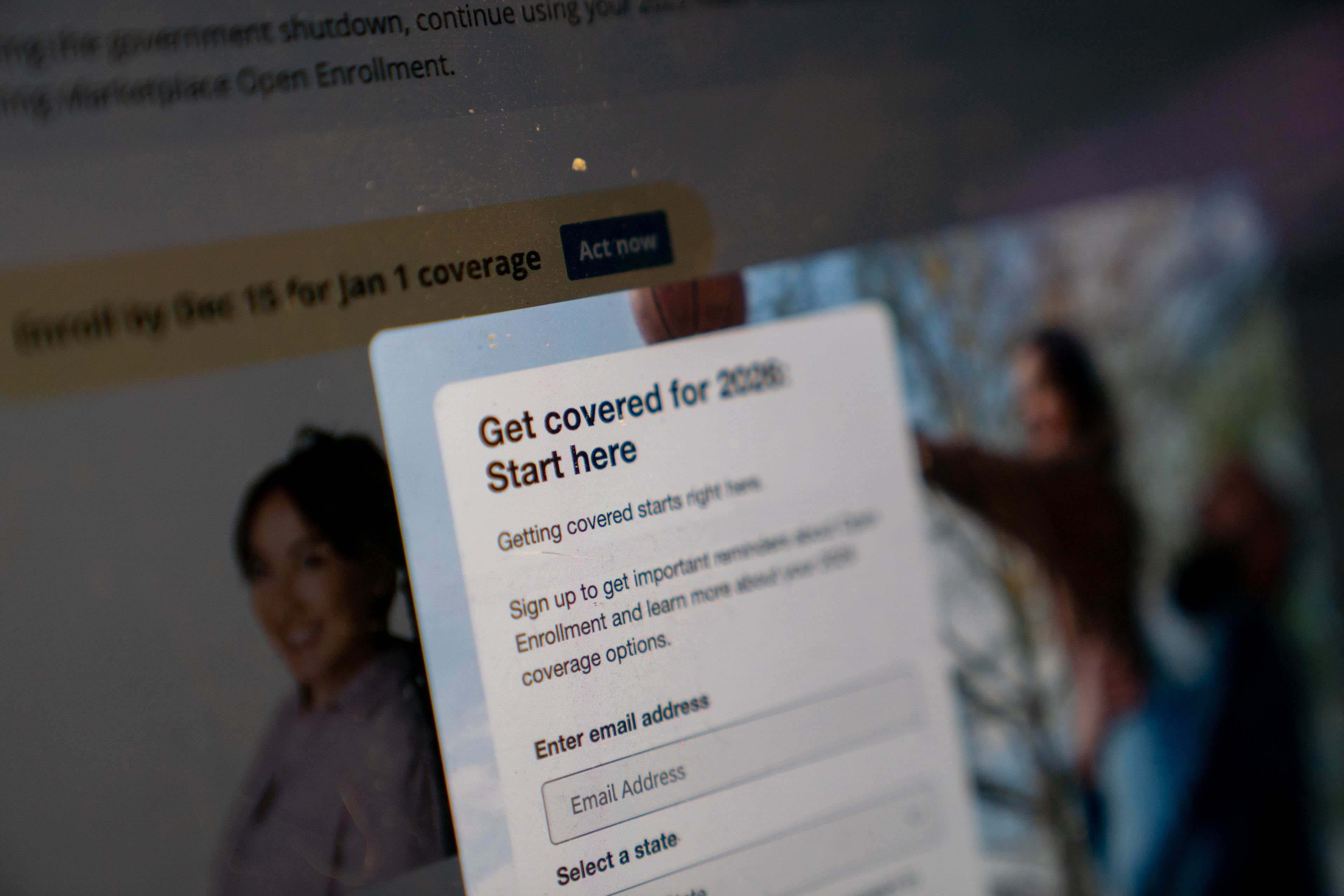
Following the expiration of the enhanced premium tax credits for people with Affordable Care Act (ACA) Marketplace plans, a new KFF follow-up survey of the same Marketplace enrollees KFF surveyed in 2025 finds half (51%) of returning enrollees say their health care costs are “a lot higher” this year compared to last year, including four in 10 who specifically say their premiums are “a lot higher.”

Timely insights and analysis from KFF staff

Latest News

No Posts to Show

Subscribe to KFF Emails

Choose which emails are best for you.
Sign up here

Filter

1,641 - 1,650 of 2,771 Results

  • At Tax Time, No Public Backlash Over Obamacare’s Individual Mandate

    News Release

    As tax season closes, Drew Altman looks at why the ACA’s individual mandate and tax credit reconciliation process “passed their first major hurdles this tax season with no significant public backlash,” in his latest column for The Wall Street Journal's Think Tank.

  • How Are Hospitals Faring Under the Affordable Care Act? Early Experiences from Ascension Health

    Issue Brief

    Expanded health insurance coverage through the Affordable Care Act (ACA) is having a major impact on many of the nation’s hospitals through increases in the demand for care, increased patient revenues, and lower uncompensated care costs for the uninsured. This report examines the early experiences with the ACA by Ascension Health, the delivery subsidiary of the nation’s largest not-for-profit health system, Ascension. It finds that, overall, Ascension hospitals in Medicaid expansion states saw increased Medicaid discharges, increased Medicaid revenue, and decreased cost of care for the poor, while hospitals in non-expansion states saw a very small increase in Medicaid discharges, a decline in Medicaid revenue, and growth in cost of care to the poor.

  • Minimum Contraceptive Coverage Requirements Clarified by HHS Guidance

    Issue Brief

    New HHS clarification on ACA contraceptive coverage requirement specifies that insurance plans must cover at no cost to women all of the 18 contraceptive methods approved by the FDA.  If a provider recommends a specific option or product, plans must cover it at no cost as well.

  • Potential Supreme Court Decision: Who Will Bear the Coverage “Burdens?”

    Issue Brief

    The Supreme Court is expected to reach a decision by the end of June, 2014 on the cases brought forth by Hobby Lobby and Conestoga Wood Specialties, two for profit corporations challenging the ACA’s contraceptive coverage requirement. The plaintiffs contend that the requirement that they include coverage for certain contraceptive services (emergency contraceptive pills and intrauterine devices) in the insurance plans “substantially burdens” both the corporation’s and the owners’ religious rights. During the arguments, several of the justices discussed the extent to which the corporations did or not did not have a choice in offering coverage to their workers. In this brief, we explore some of the factors influencing coverage decisions and possible consequences for women and employers given possible Supreme Court decision options: either upholding the contraceptive coverage requirement, or in favor of Hobby Lobby.

  • Does the Affordable Care Act Cover the Uninsured?

    From Drew Altman

    Drew Altman, in The Wall Street Journal's Think Tank, discusses what a new Foundation survey finds about one of the biggest questions about the Affordable Care Act: whether it covers the uninsured.

  • Legal Analysis of the Supreme Court Ruling on Hobby Lobby

    Feature

    This chart looks at the U.S. Supreme Court decision in the Hobby Lobby case involving the Affordable Care Act's (ACA) contraceptive coverage requirement. It examines how the Court answered four key questions in the case.

  • Web Briefing: What Worked, What’s Next? Strategies in Four States Leading ACA Enrollment Efforts

    Event Date:
    Event

    On Monday, July 28, the Kaiser Family Foundation held an interactive web briefing to examine the experiences and lessons of four states -- Colorado, Connecticut, Kentucky, and Washington -- that each established state-based Marketplaces, expanded their Medicaid programs, and successfully enrolled eligible individuals into Medicaid and Marketplace coverage under the ACA.

  • Beyond Rebates: How Much Are Consumers Saving from the ACA’s Medical Loss Ratio Provision?

    Perspective

    The Medical Loss Ratio (MLR) provision of the Affordable Care Act (ACA) saved consumers an estimated $2.1 billion last year, in the form of lower premiums and rebates, according to a new analysis by the Kaiser Family Foundation. Under health reform, insurers must issue consumer rebates if they fail to spend a certain portion of premium income on health care claims and quality improvement expenses, thereby limiting what they may spend on administrative expenses or keep as profits.