
Affordable Care Act

ACA Open Enrollment

9 Things to Watch for the 2027 ACA Open Enrollment Period

9 Things to Watch for the 2027 ACA Open Enrollment Period 

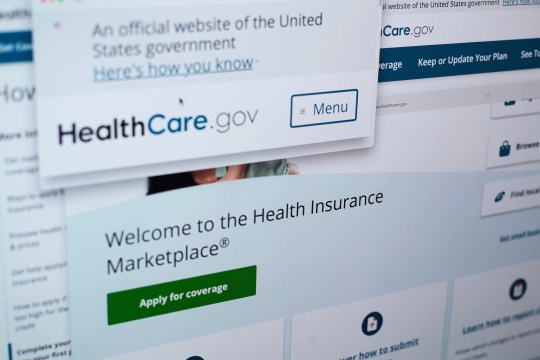
ACA Marketplace Open Enrollment is here—and this year comes with major changes. Marketplace premiums are up 13% on average, more insurers are leaving the Marketplaces than entering, and there is narrower eligibility for health insurance subsidies. Learn more about what to watch.

Health Insurance Marketplace Calculator

The Health Insurance Marketplace Calculator, updated with 2027 premium data, provides estimates of health insurance premiums and subsidies for people purchasing insurance on their own in health insurance exchanges (or “Marketplaces”) created by the Affordable Care Act (ACA).

About the ACA

Promotional image for KFF video How Affordable is the Affordable Care Act

Did the Affordable Care Act Make Health Care More Affordable?

The expiration of the ACA’s enhanced premium tax credits at the start of 2026, combined with rising insurer premiums, put a spotlight on health care affordability that extends beyond Marketplace enrollees. KFF’s Cynthia Cox examines the ACA’s record and the broader underlying question it raises: what’s a fair price for Americans people to pay for health care?

Stay informed.

Stay informed.

Filter

151-160 of 2,431 results

  • Individual Market Insurers Requesting Largest Premium Increases in More Than 5 Years

    Issue Brief

    This analysis of preliminary rate filings submitted by 105 ACA Marketplace insurers in 19 states and DC shows that ACA Marketplace insurers are requesting a median premium increase of 15% for 2026, which would represent the largest hike in premiums since 2018, the last time policy uncertainty contributed to sharp premium growth. The scheduled expiration of enhanced tax credits and impact of tariffs on some drugs, medical equipment, and supplies are among the factors pushing…

  • We’ve Never Seen Health Care Cuts This Big

    Perspective

    In this July 1 column for The New York Times Opinion section, KFF Executive Vice President for Health Policy Larry Levitt explains how the budget reconciliation bill passed by the Senate on July 1 is effectively a partial repeal of the Affordable Care Act (ACA) and, if signed into law, the resulting reductions in Medicaid and ACA Marketplace coverage would make it "the biggest rollback in federal support for health coverage ever."

  • 5 Key Facts About Medicaid and Veterans

    Issue Brief

    Medicaid helps fill gaps in coverage for veterans who are low-income, have disabilities, or are otherwise ineligible for military health benefits. It supports those with complex health needs and reduces out-of-pocket expenses. This brief presents five key facts about veterans with Medicaid and how policy changes in Congress could affect their coverage and access to care.

  • How Affordability of Employer Coverage Varies by Family Income

    Issue Brief

    This analysis looks at the share of family income people with employer-based coverage pay toward their premiums and out-of-pocket payments for medical care. The cost of employer sponsored health insurance—including premiums, deductibles, and other out-of-pocket costs—has risen steadily over time.



