Affordable Care Act

The ACA Marketplace

2025 KFF Marketplace Enrollees Survey

In 2025, about one in three ACA enrollees said they would be “very likely” to look for a lower-premium Marketplace plan If their premium payments doubled.

Cost Concerns and Coverage Changes: A Follow-Up Survey of ACA Marketplace Enrollees

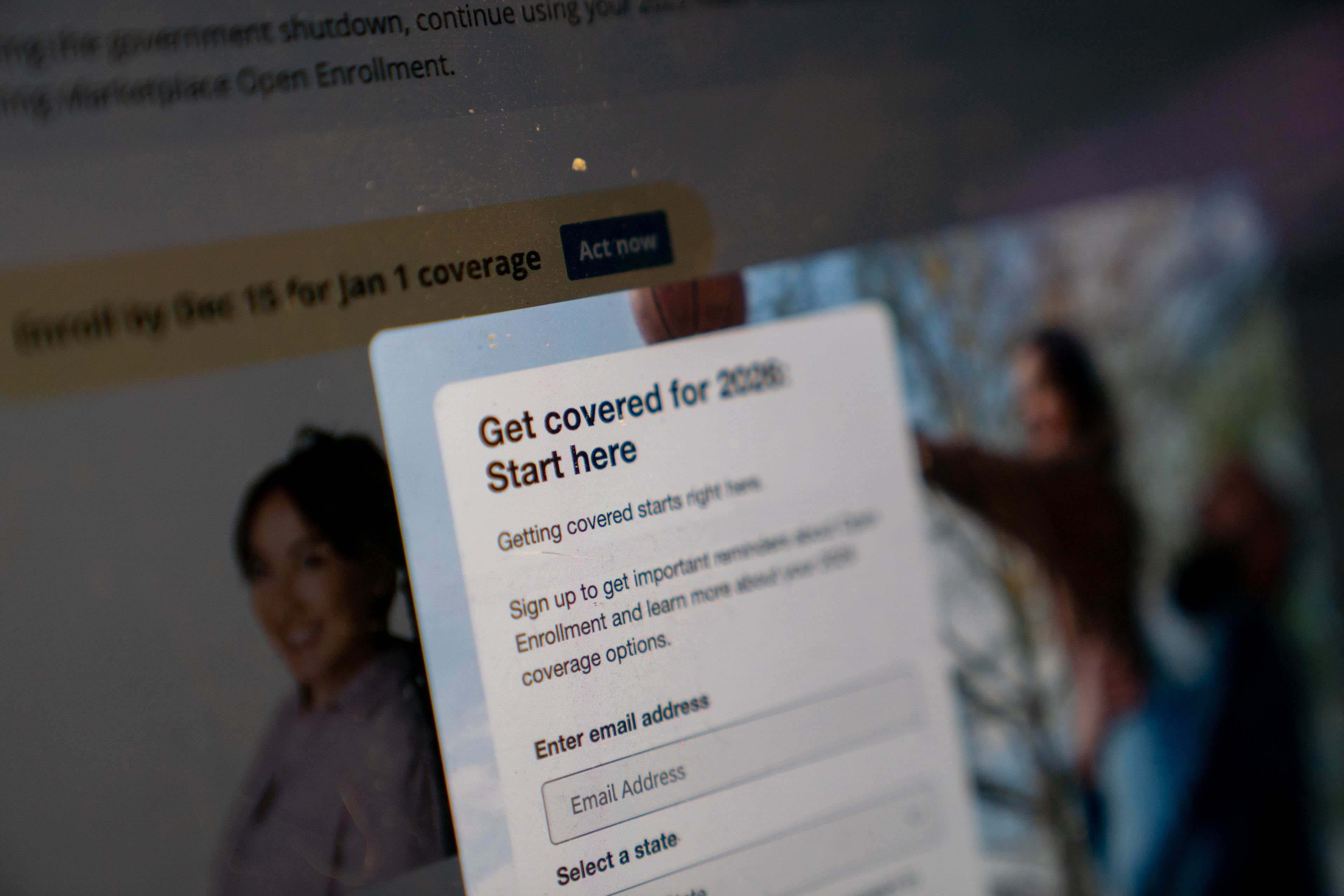
Following the expiration of the enhanced premium tax credits for people with Affordable Care Act (ACA) Marketplace plans, a new KFF follow-up survey of the same Marketplace enrollees KFF surveyed in 2025 finds half (51%) of returning enrollees say their health care costs are “a lot higher” this year compared to last year, including four in 10 who specifically say their premiums are “a lot higher.”

Timely insights and analysis from KFF staff

Latest News

No Posts to Show

Subscribe to KFF Emails

Choose which emails are best for you.
Sign up here

Filter

1,571 - 1,580 of 2,769 Results

  • State Demonstrations to Integrate Care and Align Financing for Dual Eligible Beneficiaries: A Review of the 26 Proposals Submitted to CMS

    Report

    The Centers for Medicare and Medicaid Services (CMS) has proposed two models to align Medicare and Medicaid benefits and financing for dual eligible beneficiaries, one capitated model and one managed fee-for-service model. In the spring of 2012, 26 states submitted proposals to CMS seeking to test one or both of these models. CMS is presently reviewing the states' proposals to determine which will be implemented. This background paper examines the contents of the 26 states'…

  • The Cost and Coverage Implications of the ACA Medicaid Expansion: National and State-by-State Analysis

    Report

    A central goal of the Patient Protection and Affordable Care Act (ACA) is to significantly reduce the number of uninsured by providing a continuum of affordable coverage options through Medicaid and new Health Insurance Exchanges. Following the June 2012 Supreme Court decision, states face a decision about whether to adopt the Medicaid expansion. These decisions will have enormous consequences for health coverage for the low-income population. This analysis uses the Urban Institute’s Health Insurance Policy…

  • Covering the Uninsured: Options for Reform

    Issue Brief

    Download PDF Key Facts on the Uninsured In 2007, 45 million nonelderly people in the United States lacked health coverage More than eight in ten uninsured people (81%) come from working families About two-thirds of the nonelderly uninsured are from low-income families (income below 200% of poverty, about $42,400 for a family of 4 in 2007) More than one in three people (35%) living in poverty are uninsured, compared with one in twenty people (5%)…

  • In Depth Analysis of Health Reform Issues

    Report

    These reports provide in-depth analysis related to the health reform debate. Additional reports will be added as they become available. Medicaid Expansion in Health Reform: National and State Estimates of Coverage and CostsThis analysis and public briefing examine the potential national and state-by-state impacts on Medicaid enrollment and spending of the expansion of coverage for low-income adults under the health reform law. Reform Calculator Estimates Premiums and Subsidies Available In 2014The Foundation's interactive health reform…

  • Explaining Health Care Reform: What is Health Insurance?

    Issue Brief

    A key element in any comprehensive health reform plan is defining what health insurance is and the amount of insurance coverage people will have. There are two components to that coverage: the types of services covered (e.g., physician care, hospitalization, prescription drugs, etc.), and the cost sharing required of enrollees (e.g., the annual deductible, the copayments or coinsurance, and the maximum out-of-pocket costs for a year). The overall approach to reform drives the kinds of…

  • Health Reform and Communities of Color: Implications for Racial and Ethnic Health Disparities

    Issue Brief

    This issue brief examines the key provisions of the 2010 health reform law that will expand health coverage and are likely to improve access to care for people of color, as well as some of the other provisions that will likely have either a direct or indirect impact on health disparities. Issue Brief (.pdf)) Previous Version: November 2009 (.pdf)

  • Optimizing Medicaid Enrollment: Spotlight on Technology – Oklahoma’s Automatic Newborn Enrollment System

    Issue Brief

    This brief examines Oklahoma's web-based system for automatically enrolling in its Medicaid program, SoonerCare, and provides an overview of the state's more recent implementation of an online SoonerCare application for children and families, pregnant women, and other adults. It is the fourth brief in a Spotlight on Technology series profiling several states' innovative applications of technology to Medicaid enrollment efforts. The series illustrates a range of approaches that states can adopt to improve their systems…

  • Kaiser Analysis: Estimated Health Insurance Rebates Under the Health Reform Law Total $1.3 Billion in 2012

    News Release

    NEWS RELEASEApril 26, 2012 Rebates Expected to Vary Significantly by State MENLO PARK, Calif. – Consumers and businesses are expected to receive an estimated $1.3 billion by this August in rebates from health insurers who spent more on administrative expenses and profits than allowed by the Affordable Care Act (ACA), finds a new analysis from the Kaiser Family Foundation of the latest estimates provided by insurers to state insurance commissioners. The rebates include $541 million…

  • Opportunities and Resources to Expand Enrollment During the Pandemic and Beyond

    Issue Brief

    This analysis summarizes recent interviews with marketplace navigators and other consumer assistance professionals, who offered observations about the 2021 Open Enrollment period, discussed general and pandemic-specific challenges facing consumers seeking coverage, and offered suggestions to improve enrollment outcomes. The brief also reviews information about federal marketplace resources and spending priorities contained in Trump Administration budget documents, and possible sources of funding for a COVID-19 special enrollment period during the Biden administration.