Affordable Care Act

ACA Open Enrollment

9 Things to Watch for the 2027 ACA Open Enrollment Period

9 Things to Watch for the 2027 ACA Open Enrollment Period 

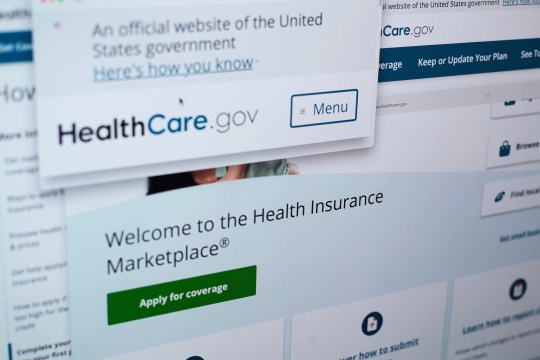
ACA Marketplace Open Enrollment is here—and this year comes with major changes. Marketplace premiums are up 13% on average, more insurers are leaving the Marketplaces than entering, and there is narrower eligibility for health insurance subsidies. Learn more about what to watch.


Health Insurance Marketplace Calculator

The Health Insurance Marketplace Calculator, updated with 2027 premium data, provides estimates of health insurance premiums and subsidies for people purchasing insurance on their own in health insurance exchanges (or “Marketplaces”) created by the Affordable Care Act (ACA).

About the ACA

Promotional image for KFF video How Affordable is the Affordable Care Act

Did the Affordable Care Act Make Health Care More Affordable?

The expiration of the ACA’s enhanced premium tax credits at the start of 2026, combined with rising insurer premiums, put a spotlight on health care affordability that extends beyond Marketplace enrollees. KFF’s Cynthia Cox examines the ACA’s record and the broader underlying question it raises: what’s a fair price for Americans people to pay for health care?

Stay informed.

Stay informed.

Filter

991-1,000 of 2,431 results

  • Pulling it Together: Separating the Forest from the Trees in the Health Reform Debate

    Perspective

    The good news for those who care about health care is that the issue is rising again on the national agenda. If we have a big debate about health in the presidential campaign and if it is a factor at the polls in 2008, it will help create a mandate for the new president and Congress to make health care a priority in 2009. But the real health care debate has been delayed by the…

  • Healthy San Francisco

    Fact Sheet

    In 2007, San Francisco became the first city in the nation to begin implementation of a plan to provide health care services to all uninsured residents. Healthy San Francisco is not health insurance, but rather it provides access to affordable basic and ongoing health care services for uninsured residents. The program provides medical homes to uninsured adults and focuses on prevention and the management of chronic conditions. Fact Sheet (.pdf)

  • Pulling It Together: Moving Away From Employer Based Coverage: Don’t Forget Public Opinion

    Perspective

    One of the underlying big issues in the unfolding health reform debate is whether most Americans should continue to get insurance through work where they get it today, or purchase it themselves in the individual private health insurance marketplace. Senator McCain promotes moving to individual insurance and having individuals rather than employers make coverage decisions, as has President Bush.  But this is not only a conservative idea.  Many on the liberal side -- such as…

  • Approaches to Covering the Uninsured: A Guide

    Issue Brief

    The guide explains the key strategies for expanding coverage to the nation's 45 million uninsured people and explains and how different policy options can be combined to form comprehensive reform proposals. It organizes the various policy strategies under four overall approaches: strengthening current coverage arrangements, improving the affordability of coverage, improving the availability of coverage and changing the tax treatment and financing of health insurance. Guide (.pdf)

  • Children’s Health Insurance Program Reauthorization Act of 2009 (CHIPRA)

    Fact Sheet

    This fact sheet provides an overview of provisions of the Children's Health Insurance Program Reauthorization Act of 2009 (CHIPRA), which was signed into law in February 2009. The Act extends and expands the State Children's Health Insurance Program (now referred to as CHIP, not SCHIP) that was enacted with bipartisan support a decade ago as part of the Balanced Budget Act of 1997 (BBA). Fact Sheet (.pdf) Fact Sheet: State Adoption of Coverage and Enrollment…

  • The Coverage and Cost Impacts of Expanding Medicaid

    Report

    This paper quantifies the impacts on coverage and cost of expanding Medicaid to cover more of the low-income uninsured, including adults, at various income levels and with improved participation rates. The analysis models two primary options to expand Medicaid (250% FPL for children, 100% FPL for adults; 300% FPL for children, 150% for adults) as well as the same options with no change for children. Report (.pdf)

  • Health Insurance Coverage for Older Adults: Implications of a Medicare Buy-In

    Issue Brief

    As the Senate debates comprehensive health reform legislation, the idea of a Medicare buy-in option for uninsured adults aged 55-64 has re-emerged as a potential component of a reform plan. This Kaiser Family Foundation policy brief provides an updated profile of the more than 4 million uninsured people between ages 55 and 64 and examines historical proposals to allow uninsured older adults to purchase Medicare coverage. It also examines barriers to securing affordable coverage in…

  • Rising Health Pressures in an Economic Recession

    Event Date:
    Event

    As millions of people lose their jobs and job-based health insurance during the recession, the Kaiser Family Foundation has several reports and a video that shed light on the rising toll on American families and the public programs that many depend on to fill the gap during times of crisis. Rising Health Pressures in an Economic Recession: A 360-Degree Look at Four Communities, and a companion video, On the Edge: Health Care in the Recession…

  • Rising Health Pressures in an Economic Recession: A 360-Degree Look at Four Communities

    Report

    This report draws on interviews and focus groups in four communities to examine at the grassroots levels the experiences of families, employers, safety-net providers and community organizations in four U.S. communities hard hit by the recession. The communities are Beloit, Wisc.; Tampa-St. Petersburg, Fla.; Long Island, N.Y.; and Sonoma, Calif. The report explores the financial and personal struggles of families who have suffered economic reversals and lost health coverage, forcing many to juggle bills and…

  • Chartpack: Kaiser Health Tracking Poll — August 2009

    Poll Finding

    This document contains the chartpack from the August Health Tracking Poll. The survey was designed and analyzed by public opinion researchers at the Kaiser Family Foundation and was conducted August 4 through August 11, 2009, among a nationally representative random sample of 1,203 adults ages 18 and older. Telephone interviews conducted by landline (801) and cell phone (402, including 123 who had no landline telephone) were carried out in English and Spanish. The margin of…