Public Opinion

THE MIDTERMS

Most Democratic Voters Want To Hear Candidates Discuss Health Costs and Future of Health Programs; More Republicans Focused on Fraud

KFF Health Tracking Poll: Public Views on Fraud in Government Health Programs

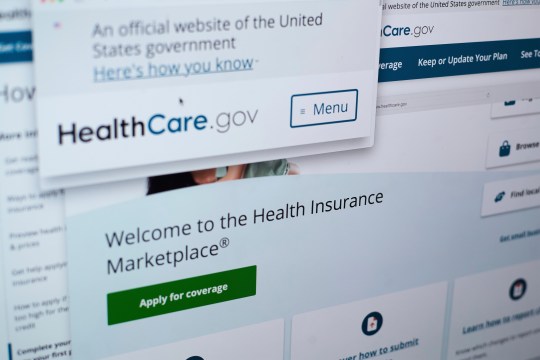
As the 2026 midterms approach, health care costs remain voters’ top health priority, but fraud in government health programs, including Medicaid and Medicare, is resonating with Republican voters, 55% of whom say it’s extremely important for candidates to address. Most voters say there is at least “some” fraud in government health programs, but larger shares say there is fraud in the tax system, defense, and foreign aid, while the smallest share sees fraud in the ACA Marketplaces.

Health Information and Trust

Update on Common Vaccine Myths: People Without a Trusted Health Care Provider Are More Likely to Endorse False Vaccine Claims

This poll looks at exposure to and belief in several vaccine myths and finds that people without a trusted health care provider, and those who regularly use social media or AI for health information, are generally more likely than others to belief the false claims. It also analyzes belief across vaccine myths, showing the share of the public that are consistent myth believers, consistent myth deniers, and those who land in the “mixed middle.”

Dashboard: Polling on Health Information and Trust

Drawing on KFF’s poll findings, this interactive dashboard tracks the public’s trusted sources for health information, attitudes toward vaccines, and use of news, social media, and AI for health-related information.

Recent Polls

Public Views on Foreign Aid and Global Health

This poll finds that less than half of the public now wants the U.S. to play at least a major role in improving the health of people in developing countries. When asked about the administration’s changes to foreign aid and global health, more people perceive a negative impact than a positive one.

Knowledge and Views of Medication Abortion

This KFF Health Tracking Poll finds that many, including women of reproductive age, remain unfamiliar with key facts about mifepristone. Fewer than half of all adults say they believe abortion pills are safe now, compared to over half of all adults two years ago. This poll explores awareness and perception of the recent FDA review of the medication, and support for policies aimed at restricting it.

KFF/New York Times Survey of Immigrants

KFF-New York Times Survey: Immigrants Report Rising Fear, Negative Economic and Health Impacts, and Changing Political Views During the First Year of President Trump’s Second Term

The 2025 Survey of Immigrants, a partnership between KFF and The New York Times, takes an in-depth look at the experiences of immigrants during the first year of President Trump’s second term, including their worries related to increased immigration enforcement, their health and economic wellbeing, and the political views and preferences of immigrant voters. The survey paints a portrait of families under strain — where fear of detention and economic instability are negatively impacting immigrants’ health and reshaping immigrant families’ daily lives and views of U.S. political parties.

Read the News Release | Explore The New York Times’ Reporting

the essentials

Health Tracking Poll

Our signature survey project provides up-to-date data on the public’s health care views, knowledge, and experiences.

Tracking the Public’s Views on the ACA

Tracking the Public’s Views on the ACA

This interactive tool tracks public opinion on the Affordable Care Act, from the inception of the law to the present, including trends based on party identification, income, age, gender, and race/ethnicity.

Health Information and Trust Tracking Poll

The Health Information and Trust Tracking Poll is part of KFF’s Health Information and Trust Initiative, which tracks health misinformation and analyzes its impact on the public.

Polls in Health Policy

This chapter of our digital “textbook” explores why surveys are essential for understanding health policy issues. 

Stay informed.

Stay informed.

https://js.hsforms.net/forms/embed/292449.js

Filter

1 - 10 of 1,849 Results

  • KFF Health Tracking Poll: Public Views on Fraud in Government Health Programs

    Poll Finding

    As the 2026 midterms approach, health care costs remain voters' top health priority, but fraud in government health programs, including Medicaid and Medicare, is resonating with Republican voters, 55% of whom say it's extremely important for candidates to address. Most voters say there is at least “some” fraud in government health programs, but larger shares say there is fraud in the tax system, defense, and foreign aid, while the smallest share sees fraud in the…

  • Poll: Costs Are the Top Health Care Issue for Voters in the Midterms, But Fraud Tops Republicans’ List As Trump Administration Pushes Crackdown

    News Release

    Health care costs top the list of voters’ health care priorities for the midterm elections, though more than half of Republican voters say it is extremely important for candidates to discuss the issue of fraud in government health programs, according to a new KFF Health Tracking Poll. Most voters say there is at least “some” fraud in government health programs, but larger shares of voters see fraud in the tax system, defense, and foreign aid…

  • Americans May Be Smarter About Vaccines Than You Think

    From Drew Altman

    In a new column that analyzes recent KFF polling, Founding President and CEO Dr. Drew Altman concludes that only a sliver of the public hold definitive anti-science, anti-vaccine views, and are greatly outnumbered by the people who believe established science, with even more Americans stuck in a “muddled middle.” He writes, “when you see reports of social media engagement spiking about a health myth, don’t overreact. It’s more likely than not that it's a relatively…

  • Untold KFF History Volume Two: Kaisernetwork.org

    From Drew Altman

    In the second of his “Untold KFF History” series, KFF’s Founding President and CEO Dr. Drew Altman discusses KFF’s first big foray into health news: Kaisernetwork.org, which was an online health policy resource and webcasting service called “HealthCast.”

  • KFF Polling on Health Information and Trust

    Feature

    Drawing on KFF's poll findings, this interactive dashboard tracks the public’s trusted sources for health information, attitudes toward vaccines, and use of news, social media, and AI for health-related information. It provides visual representations of the key trends in the public’s trust in health information and tracks exposure to and belief in false and unproven health claims.

  • Poll: People Without a Trusted Health Care Provider Are More Likely to Endorse Vaccine Myths, As Are Those Who Often Use Social Media or AI for Health Information

    News Release

    People who don’t have a trusted health care provider are more likely than people with one to believe or lean toward believing several common myths about vaccines, a new KFF Tracking Poll on Health Information and Trust reveals. Similarly, people who use social media or artificial intelligence (AI) chatbots at least weekly for health information are more likely than those who don’t to endorse these false vaccine claims. One example: Among adults who say they…

  • KFF Tracking Poll on Health Information and Trust: Update on Common Vaccine Myths

    Poll Finding

    This poll looks at exposure to and belief in several vaccine myths and finds that people without a trusted health care provider, and those who regularly use social media or AI for health information, are generally more likely than others to belief the false claims. It also analyzes belief across vaccine myths, showing the share of the public that are consistent myth believers, consistent myth deniers, and those who land in the "mixed middle."

  • KFF Tracking Poll on Health Information and Trust: Use of Social Media and AI For Health Information and Advice

    Poll Finding

    This poll finds that about 3 in 10 adults turn to social media for health information and advice at least monthly. Community connection and the need for immediate answers are the top reasons why people are turning to these tools. Slim majorities of those who use social media for health are confident they can tell what is true, and relatively few take steps to check the information they receive.

  • State Health Coverage for Immigrants and Implications for Health Coverage and Care

    Issue Brief

    Noncitizen immigrants, particularly those who are undocumented, face significant barriers to accessing health coverage and care and are significantly more likely than citizens to be uninsured. This brief provides an overview of state health coverage programs for immigrants, including among states that have taken up options in Medicaid and the Children’s Health Insurance Program (CHIP) to expand coverage for lawfully present immigrants and/or established fully state-funded programs to fill gaps in coverage for immigrants.

  • Key Facts on Health Coverage of Immigrants

    Fact Sheet

    This fact sheet provides an overview of health coverage for immigrants based on data from the 2023 KFF/LA Times Survey of Immigrants, the largest nationally representative survey focused on immigrants and discusses potential implications of incoming Trump administration policies for coverage of immigrants.