From Drew Altman

Drew Altman is president and chief executive officer of KFF, a position he has held for more than 30 years since founding the modern-day KFF organization in the 1990s. He is a leading expert on national health policy issues and an innovator in health journalism and the nonprofit field.

View full bio | Read Dr. Altman's Beyond the Data columns

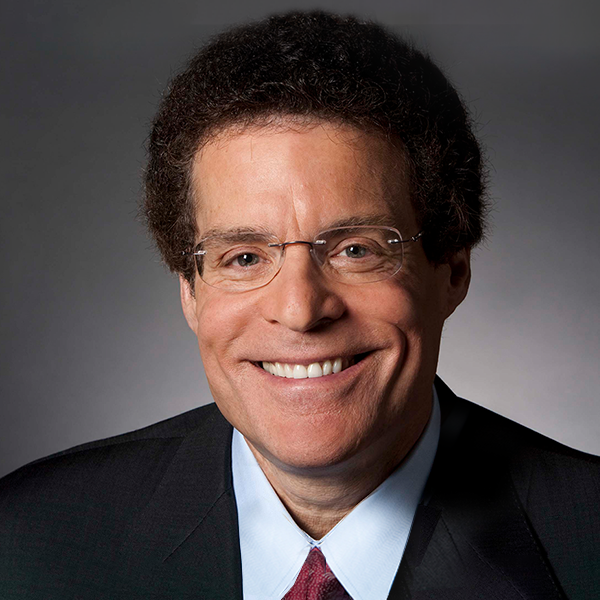
Photo of Drew Altman

President’s Message

“KFF is an independent source of health policy research, polling, and journalism. We have four major program areas: KFF Policy; KFF Polling; KFF Health News (formerly Kaiser Health News); and KFF Social Impact Media, which conducts specialized public health information campaigns. Learn more about the organization. 

What’s unique about KFF, however, can’t be found in any description of our programs because we’re more than a sum of our parts. KFF is a one-of-a-kind information organization. Not a policy research organization. Not a polling organization. And not a news organization. But rather, a unique combination of all three. That’s the vision behind KFF, and it's this combination that allows us to leverage our combined expertise and assets to play our national role on health policy.” Read more

Beyond the Data

In his “Beyond the Data” columns, Drew Altman discusses what the data, polls, and journalism produced by KFF mean for policy and for people.

A Note on How the War in Iran May Affect Health Care in the Midterms

In a new column, Dr. Drew Altman, KFF’s President and CEO, discusses the impact of the war in Iran and rising gas prices on voter concerns about health care costs. He writes: “Recently, we saw health care costs rise to the top of the public’s list of economic worries, ahead of food, housing, utility costs and the cost of gas….Expect gas prices to rise and health care costs to fall on the list of affordability worries while the war in Iran lasts, but then to return to the top or near the top when President Trump decides to declare the major hostilities over, the Strait of Hormuz is open, and gas prices come down….health care costs have staying power as one of the top voter concerns.”

Filter

51 - 60 of 336 Results

  • Why Affordability Is the Big Tent

    From Drew Altman

    In this column, KFF President and CEO Drew Altman explores why the public's concerns about out-of-pocket health costs make health care affordability the health policy issue most likely to resonate with voters across the political spectrum.

  • The Shifting Sands for State Medicaid Programs Lurking in Our Data

    From Drew Altman

    KFF President and CEO Drew Altman examines the coming squeeze on state budgets and state Medicaid programs, stemming from declining federal matching funds, weakening state revenues, and competing state priorities, and the challenges it poses for states seeking to strengthen their programs and try innovative new approaches.

  • The Two Health Care Cost Crises

    From Drew Altman

    In this column, KFF President and CEO Drew Altman explores the nation's twin health cost crises of affordability, especially for people who are sick and need a lot of health care, and national health spending, and why the solutions often work at cross purposes.

  • The CBO Report That Didn’t Roar

    From Drew Altman

    In his latest column, KFF President and CEO Drew Altman discusses a recent Congressional Budget Office (CBO) estimate that the Centers for Medicare and Medicaid Innovation (CMMI)'s payment and delivery demonstrations have cost Medicare money, and what it means for the future of value-based payment.

  • Countering Health Misinformation, By the Numbers

    From Drew Altman

    In this column, KFF President and CEO Drew Altman examines the threat posed by health misinformation and opportunities to combat it by relying on the messengers the public trusts most for health information, which includes doctors and local television news sources.

  • Mixed Prospects for Vaccinating Children

    From Drew Altman

    In this Axios column, Drew Altman examines the data about what parents say they will do once their children ages 5-11 become eligible for a COVID-19 vaccine, and why it will take some time and a concerted outreach effort to match adult vaccination rates.