Women's Health Policy

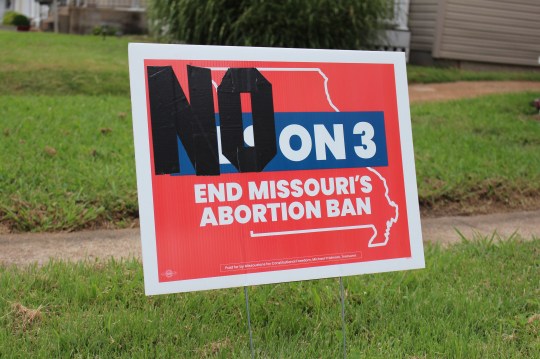
ABORTION IN THE U.S.

CONTRACEPTIve care IN THE U.S.

New and noteworthy

Over-the-Counter Oral Contraceptive Pills

In July 2023, the FDA approved Opill, the first daily oral contraceptive pill to become available over the counter (OTC) without a doctor’s prescription. This issue brief provides an overview of OTC oral contraceptives and laws and policies related to insurance coverage.

featured

A promotional image for the the KFF Health Policy 101 Issues in Women’s Health chapter

Health Policy Issues in Women’s Health

Examine the core health coverage and access issues —shaped by federal and state policies—that affect women’s health today, including health coverage and costs, reproductive health services, maternal health, mental health, and intimate partner violence.

State Profiles for Women’s Health

Explore the latest national and state-specific data and policies on women’s health. Topics include health status, insurance and Medicaid coverage, use of preventive services, sexual health, maternal and infant health, and abortion policies. Many indicators provide state-level information for women of different racial and ethnic groups.

The essentials
  • Women’s Health Insurance Coverage

    This factsheet reviews major sources of coverage for women residing in the U.S., discusses the ACA's impact on coverage, and the coverage challenges that many women continue to face.
  • Medicaid Coverage for Women

    This data note presents key data points describing the current state of the Medicaid program as it affects women, including eligibility, reproductive health, chronic conditions, and more.
  • Dobbs: What are the Implications for Racial Disparities?

    This analysis examines the implications of the Dobbs decision and state restrictions on abortion coverage for racial disparities in access to care and health outcomes.
  • State Health Facts: Women's Health Indicators

    Information on women’s health status, utilization of services, health insurance coverage, family planning and childbirth, and abortion statistics and policies.
  • Key Facts on Abortion in the United States

    This report answers some key questions about abortion in the United States and presents data collected before the overturn of Roe v. Wade.

Subscribe to KFF Emails

Choose which emails are best for you.
Sign up here

Filter

781 - 790 of 868 Results

  • Limited Access to Paid Family Leave

    Feature

    Most people will need to take time off work to care for themselves or their families at some point, but only one in five (21%) workers have access to paid family leave through their employer. Congress is considering creating a universal paid family and medical leave program as part of the Build Back Better Act.

  • Reading the Post-Roe Tea Leaves in States Without Abortion Bans or Protections

    Policy Watch

    In the 17 states without explicit laws prohibiting or protecting abortions, we present a number of indicators to assess abortion access, including abortion restrictions, the number of clinics and women of reproductive age per clinic, as well as State Supreme Court rulings interpreting the right to abortion in that state.

  • Updated Women’s Health State Data: Interactive Dashboard

    News Release

    Interested in keeping up with the most recent state specific women's health data and policies? The newly updated and upgraded KFF State Profiles for Women's Health interactive dashboard offers the latest national and state data and policies women’s health, from health insurance coverage to abortion policy changes.

  • States Look to Bolster Maternal Health

    Feature

    Starting April 1, states have a new option to extend Medicaid postpartum coverage from 60 days to 12 months without having to seek a waiver.

  • The Biden Administration’s Final Rule on Section 1557 Non-Discrimination Regulations Under the ACA

    Issue Brief

    This brief overviews the Biden Administration’s 2024 final rule implementing Section 1557 of the ACA, which is home to the law’s major nondiscrimination provisions. It provides a brief background on 1557 rulemaking and identifies key differences between this rule and the 2020 rule from the Trump Administration. It highlights two areas of growing interest impacted by the rule – nondiscrimination protections related to pregnancy and nondiscrimination protections for transgender people. Table 2 summarizes the major provisions of the new final rule with side-by-side comparison to the Obama (2016) and Trump (2020) administration rules.

  • Over-the-Counter Oral Contraceptive Pills

    Issue Brief

    Oral contraceptives are the most commonly used method of reversible contraception in the U.S. In July 2023, the FDA approved Opill, the first daily oral contraceptive pill to become available over the counter (OTC) without a doctor’s prescription. This issue brief provides an overview of OTC oral contraceptives and laws and policies related to insurance coverage.