Women's Health Policy

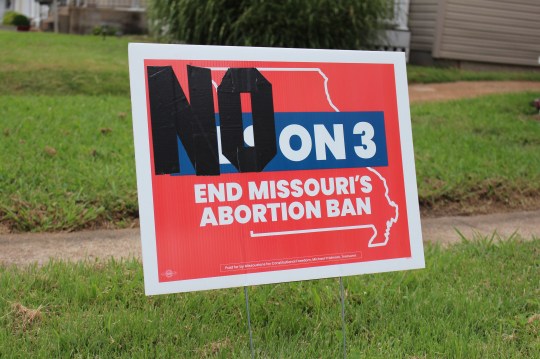
ABORTION IN THE U.S.

CONTRACEPTIve care IN THE U.S.

New and noteworthy

Over-the-Counter Oral Contraceptive Pills

In July 2023, the FDA approved Opill, the first daily oral contraceptive pill to become available over the counter (OTC) without a doctor’s prescription. This issue brief provides an overview of OTC oral contraceptives and laws and policies related to insurance coverage.

featured

A promotional image for the the KFF Health Policy 101 Issues in Women’s Health chapter

Health Policy Issues in Women’s Health

Examine the core health coverage and access issues —shaped by federal and state policies—that affect women’s health today, including health coverage and costs, reproductive health services, maternal health, mental health, and intimate partner violence.

State Profiles for Women’s Health

Explore the latest national and state-specific data and policies on women’s health. Topics include health status, insurance and Medicaid coverage, use of preventive services, sexual health, maternal and infant health, and abortion policies. Many indicators provide state-level information for women of different racial and ethnic groups.

The essentials
  • Women’s Health Insurance Coverage

    This factsheet reviews major sources of coverage for women residing in the U.S., discusses the ACA's impact on coverage, and the coverage challenges that many women continue to face.
  • Medicaid Coverage for Women

    This data note presents key data points describing the current state of the Medicaid program as it affects women, including eligibility, reproductive health, chronic conditions, and more.
  • Dobbs: What are the Implications for Racial Disparities?

    This analysis examines the implications of the Dobbs decision and state restrictions on abortion coverage for racial disparities in access to care and health outcomes.
  • State Health Facts: Women's Health Indicators

    Information on women’s health status, utilization of services, health insurance coverage, family planning and childbirth, and abortion statistics and policies.
  • Key Facts on Abortion in the United States

    This report answers some key questions about abortion in the United States and presents data collected before the overturn of Roe v. Wade.

Subscribe to KFF Emails

Choose which emails are best for you.
Sign up here

Filter

751 - 760 of 868 Results

  • Post-Election Survey: Priorities for the 106th Congress

    Poll Finding

    A national voter survey by the Kaiser Family Foundation and Harvard School of Public Health conducted shortly after the November congressional elections in 1998. The purpose is to gauge voters' priorities for the next Congress, both generally and with specific regard to health care issues.

  • KFF- What Teens Know and Don’t (But Should) About Sexually Transmitted Diseases

    Report

    A random-sample national survey of 400 teens, ages 15 to 17 years old about their awareness of and attitudes toward sexually transmitted diseases (STDs) - focusing primarily on STDs other than HIV/AIDS. The survey was conducted by telephone by Princeton Survey Research Associates for the Kaiser Family Foundation, MTV: Music Television and TEEN PEOPLE.

  • Welfare Policy and Reproductive Health:

    Other Post

    "Capping" a Family's Benefits Policy makers have long grappled with the complex questions of how to reduce poverty and promote economic self-sufficiency among the poor. Recent efforts have focused on how to influence key behaviors such as the decision to have children outside of marriage.

  • Women’s Access to Care:  A State-Level Analysis of Key Health Policies

    Report

    Women's Access to Care: A State-Level Analysis of Key Health Policies State policies play a critical role in shaping women's access to health care. With authority over several important policy issues and the power to legislate, regulate, and enact programs that address women's needs, state policymakers have tackled several issues of importance to women.

  • Key Facts: Women and Medicare

    Report

    Medicare is a critical source of health insurance coverage for virtually all older women in the U.S. and for many younger women who have permanent disabilities. Today, 22 million women one in five adult women rely on Medicare for basic health insurance protection. In fact, women comprise 57% of the Medicare population.

  • Maternity Care and Consumer Driven Health Plans

    Event Date:
    Event

    Maternity Care and Consumer-Driven Health Plans With maternity care representing one of the most common and costly medical interventions that women experience, Kaiser and the March of Dimes co-hosted a forum to release new studies that analyze the costs of maternity care and assess coverage under consumer-driven health plans (CDHPs).