Women's Health Policy

ABORTION IN THE U.S.

Variability in Rebimbursement Rates for State-funded Abortion Services for Medicaid Enrollees: A 2026 Update

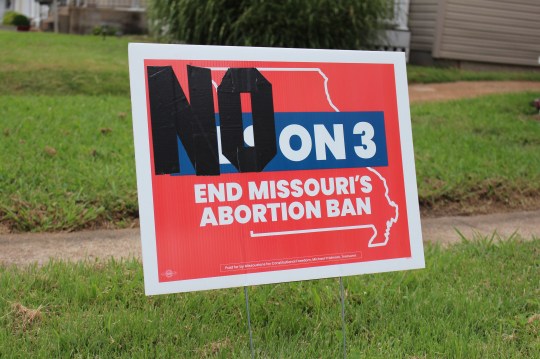
This analysis reveals that while more states have begun using their own funds to cover abortion services for Medicaid enrollees since the U.S. Supreme Court’s Dobbs decision, only a handful have significantly increased reimbursement rates for providers, potentially undermining access to care for low-income patients. After examining physician fee schedules for abortions provided to Medicaid enrollees since 2024, KFF finds that reimbursement rates vary dramatically across states, and that most states don't substantially increase payment rates for later-pregnancy procedures, despite their higher costs and complexity.
CONTRACEPTIve care IN THE U.S.

An Update on Medicaid, Title X and Planned Parenthood

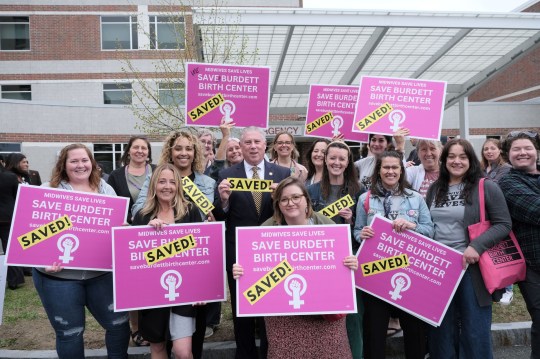
This brief provides an update on Planned Parenthood clinic closures and participation in the Title X program amid substantial policy changes resulting in funding reductions. These changes include the One Big Beautiful Bill Act and the withholding of federal Title X funding to Planned Parenthood clinics.

SELECTED RESOURCES

Over-the-Counter Oral Contraceptive Pills

In July 2023, the FDA approved Opill, the first daily oral contraceptive pill to become available over the counter (OTC) without a doctor’s prescription. This issue brief provides an overview of OTC oral contraceptives and laws and policies related to insurance coverage.

featured

A promotional image for the the KFF Health Policy 101 Issues in Women’s Health chapter

Health Policy Issues in Women’s Health

Examine the core health coverage and access issues —shaped by federal and state policies—that affect women’s health today, including health coverage and costs, reproductive health services, maternal health, mental health, and intimate partner violence.

State Profiles for Women’s Health

Explore the latest national and state-specific data and policies on women’s health. Topics include health status, insurance and Medicaid coverage, use of preventive services, sexual health, maternal and infant health, and abortion policies. Many indicators provide state-level information for women of different racial and ethnic groups.

The essentials
  • Women’s Health Insurance Coverage

    This factsheet reviews major sources of coverage for women residing in the U.S., discusses the ACA's impact on coverage, and the coverage challenges that many women continue to face.
  • Medicaid Coverage for Women

    This data note presents key data points describing the current state of the Medicaid program as it affects women, including eligibility, reproductive health, chronic conditions, and more.
  • Dobbs: What are the Implications for Racial Disparities?

    This analysis examines the implications of the Dobbs decision and state restrictions on abortion coverage for racial disparities in access to care and health outcomes.
  • State Health Facts: Women's Health Indicators

    Information on women’s health status, utilization of services, health insurance coverage, family planning and childbirth, and abortion statistics and policies.
  • Key Facts on Abortion in the United States

    This report answers some key questions about abortion in the United States and presents data collected before the overturn of Roe v. Wade.

Stay informed.

Stay informed.

Filter

611 - 620 of 876 Results

  • Portraits of Women on Medicare: The Women of Friendship Terrace

    Event Date:
    Event

    This video features five older women who reside in an assisted living community in Washington, DC, as they share their experiences in the Medicare program and offer their insights on ways the program could be improved to better meet the health care needs of seniors. Please note: the video is no longer available.  If you have an urgent need for the video, you may contact us (choose “problem with video” on the form) and we…

  • Sex in the 90s: 1998 National Survey of Americans on Sex and Sexual Health 2

    Other Post

    16. Do you think sex education courses should ONLY teach abstinence -- that is NOT having sex until marriage -- OR should courses teach about BOTH abstinence AND give teens enough information to help them prevent unplanned pregnancies and the spread of sexually transmitted diseases if they DO decide to have sex? 18 Only abstinence 81 Both 8 Don't know/Refused 100 17. Do you think that HIGH SCHOOL health clinics should provide young people with…

  • Emergency Contraception

    Other Post

    Teenage Sexual and Reproductive Behavior in the United States The Changing Face of Teen Sexual Activity and Unplanned Pregnancy Over the past two decades, the pregnancy rate among sexually experienced teenage girls aged 15-19 has declined by 19%, indicating that many are doing a better job at using contraception. But, because the percentage of teens who have had sex has been steadily increasing at the same time, in real terms, the problem of teen pregnancy…

  • National Survey of Americans and Health Care Providers on Emergency Contraception

    Other Post

    1997 Kaiser Family Foundation Survey of Americans on Emergency Contraception Conducted for the Henry J. Kaiser Family Foundation By Princeton Survey Research Associates Topline For Men May 13-May 26, 1997 Introduction: Hello, my name is _____, and I'm calling from Princeton Survey Research of Princeton, New Jersey. We are conducting a confidential national opinion survey about some important health issues. N = 300 men, age 18-44 Margin of error: plus or minus 5 percent *…

  • National Campaign to Prevent Teen Pregnancy: The More You Know About Teen Pregnancy Prevention Campaign Information

    Other Post

    The Henry J. Kaiser Family Foundation When are teens most likely to get pregnant? Pregnancy risk is high right from the beginning of sexual activity: half of all first teen pregnancies occur in the first six months after sexual activity begins. What are the outcomes of most teen pregnancies?Half (54%) of pregnancies among teen girls, 15-19 years old, end in birth. A third of teen pregnancies end in abortion (32%) and 14 percent end in…

  • Talking about STDs with Health Professionals: Women’s Experiences – Toplines/Survey

    Other Post

    Talking about STDs with Health Professionals: Women's Experiences Glamour/Kaiser Family Foundation National Survey Methodology Talking about STDS with Health Professionals: Women's Experiences was conducted for the Kaiser Family Foundation and Glamour by Market Facts, Inc. The results are based on telephone interviews conducted between May 27 through June 1, 1997 with a sample of 482 women ages 18-44 who had been to a new doctor within the last year for gynecological or obstetrical care. These…

  • Is There a Common Ground? Affiliations Between Catholic and Non-Catholic Health Care Providers and

    Other Post

    3. The Affiliation Process and the Role of Reproductive Health Services in the case studies The four case studies conducted for this project provide insight into the affiliation process between Catholic and non-Catholic health care providers and the role of reproductive health services in the process. The four successfully negotiated affiliations studied included an acquisition, a merger, a consolidation, and a 50/50 joint venture. (See Figure 1 for a summary of the contextual, organizational, and…

  • Emergency Contraception: All Talk and No Action?

    Other Post

    The Entertainment Media as "Sex Educators?" And, Other Ways Teens Learn About Sex, Contraception, STDs, and AIDS June 24, 1996 What Sources Do Teenagers Rely on for Information About Sex and Birth Control? According to a 1996 Kaiser Family Foundation Survey of teens, teens say they currently get information about sex and birth control from a variety of sources including: their parents (72%); teachers, school nurses, or sex education classes (69%); their friends (other than…