Women's Health Policy

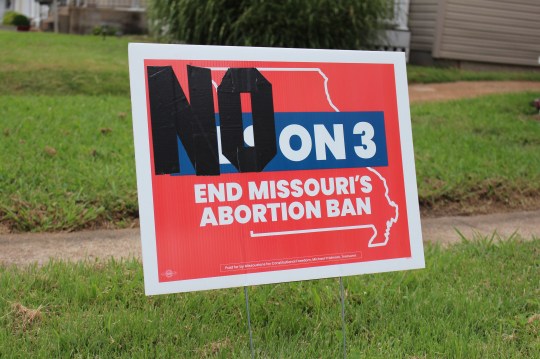
ABORTION IN THE U.S.

CONTRACEPTIve care IN THE U.S.

New and noteworthy

Over-the-Counter Oral Contraceptive Pills

In July 2023, the FDA approved Opill, the first daily oral contraceptive pill to become available over the counter (OTC) without a doctor’s prescription. This issue brief provides an overview of OTC oral contraceptives and laws and policies related to insurance coverage.

featured

A promotional image for the the KFF Health Policy 101 Issues in Women’s Health chapter

Health Policy Issues in Women’s Health

Examine the core health coverage and access issues —shaped by federal and state policies—that affect women’s health today, including health coverage and costs, reproductive health services, maternal health, mental health, and intimate partner violence.

State Profiles for Women’s Health

Explore the latest national and state-specific data and policies on women’s health. Topics include health status, insurance and Medicaid coverage, use of preventive services, sexual health, maternal and infant health, and abortion policies. Many indicators provide state-level information for women of different racial and ethnic groups.

The essentials
  • Women’s Health Insurance Coverage

    This factsheet reviews major sources of coverage for women residing in the U.S., discusses the ACA's impact on coverage, and the coverage challenges that many women continue to face.
  • Medicaid Coverage for Women

    This data note presents key data points describing the current state of the Medicaid program as it affects women, including eligibility, reproductive health, chronic conditions, and more.
  • Dobbs: What are the Implications for Racial Disparities?

    This analysis examines the implications of the Dobbs decision and state restrictions on abortion coverage for racial disparities in access to care and health outcomes.
  • State Health Facts: Women's Health Indicators

    Information on women’s health status, utilization of services, health insurance coverage, family planning and childbirth, and abortion statistics and policies.
  • Key Facts on Abortion in the United States

    This report answers some key questions about abortion in the United States and presents data collected before the overturn of Roe v. Wade.

Subscribe to KFF Emails

Choose which emails are best for you.
Sign up here

Filter

461 - 470 of 868 Results

  • Vital Signs Index Survey: No. 2

    Other Post

    Topline Results The Vital Signs Index is a monthly nationally representative survey of women on health policy issues. The results of the survey will inform the news segments and be made available to a wider audience of policy makers, health industry leaders, advocates and journalists.

  • Key Facts: Women and HIV/AIDS

    Report

    Women comprise a growing share of new cases of AIDS in the United States. In 1986, women only represented 7% of new cases of AIDS. By 1999 that share had risen to nearly one quarter.

  • Contraceptive Use and Methods in the U.S.

    Fact Sheet

    This fact sheet reviews contraceptive use and methods in the U.S., including current attitudes about contraception, use by adolescents and young adults, various contraception options, and insurance coverage. Fact Sheet (.

  • Health News Index – January/February 2000

    Poll Finding

    Health News Index January/February, 2000The January/February 2000 edition of the Kaiser Family Foundation/Harvard School of Public Health, Health News Index includes questions about major health stories covered in the news, including questions about the presidential candidate's health care proposals and their stands on abortion as well as a report on the declining rate of abortion.

  • Health Reform: Implications for Women’s Access to Coverage and Care

    Issue Brief

    This issue brief, Health Reform: Implications for Women's Access to Coverage and Care, reviews how the Affordable Care Act is expected to affect access to care and affordability of health coverage for women. It also explains the provisions in the health reform law related to preventive screening services, reproductive health, maternity care and women on Medicare. The brief includes national and state-level estimates of the percentage of uninsured women ages 18-64 who are likely to qualify for federal help under the law and a summary of key coverage and benefits provisions in the health reform law that affect women.

  • Condom Ads on TV: Unwrapping the Controversy

    Poll Finding

    Ever seen a condom advertised on TV? Up until a few years ago, the answer was almost always "no." But condoms and other topics once considered "taboo" are beginning to make an appearance on the small screen.