Women's Health Policy

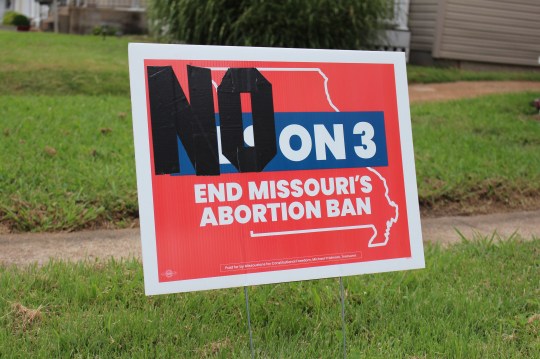
ABORTION IN THE U.S.

CONTRACEPTIve care IN THE U.S.

New and noteworthy

Over-the-Counter Oral Contraceptive Pills

In July 2023, the FDA approved Opill, the first daily oral contraceptive pill to become available over the counter (OTC) without a doctor’s prescription. This issue brief provides an overview of OTC oral contraceptives and laws and policies related to insurance coverage.

featured

A promotional image for the the KFF Health Policy 101 Issues in Women’s Health chapter

Health Policy Issues in Women’s Health

Examine the core health coverage and access issues —shaped by federal and state policies—that affect women’s health today, including health coverage and costs, reproductive health services, maternal health, mental health, and intimate partner violence.

State Profiles for Women’s Health

Explore the latest national and state-specific data and policies on women’s health. Topics include health status, insurance and Medicaid coverage, use of preventive services, sexual health, maternal and infant health, and abortion policies. Many indicators provide state-level information for women of different racial and ethnic groups.

The essentials
  • Women’s Health Insurance Coverage

    This factsheet reviews major sources of coverage for women residing in the U.S., discusses the ACA's impact on coverage, and the coverage challenges that many women continue to face.
  • Medicaid Coverage for Women

    This data note presents key data points describing the current state of the Medicaid program as it affects women, including eligibility, reproductive health, chronic conditions, and more.
  • Dobbs: What are the Implications for Racial Disparities?

    This analysis examines the implications of the Dobbs decision and state restrictions on abortion coverage for racial disparities in access to care and health outcomes.
  • State Health Facts: Women's Health Indicators

    Information on women’s health status, utilization of services, health insurance coverage, family planning and childbirth, and abortion statistics and policies.
  • Key Facts on Abortion in the United States

    This report answers some key questions about abortion in the United States and presents data collected before the overturn of Roe v. Wade.

Subscribe to KFF Emails

Choose which emails are best for you.
Sign up here

Filter

161 - 170 of 866 Results

  • Is There Room for Conscience without Compromising Access? Are Affiliations Between Religious and Secular Health Care Organizations Threatening Access?

    Fact Sheet

    These resources were prepared for a briefing held for journalists in New York City on November 4, 1997 in New York City as part of a joint program by The Alan Guttmacher Institute, The Kaiser Family Foundation and the National Press Foundation. This program focused on mergers, acquisitions, consolidations, joint ventures, and other affiliations between Catholic and non-Catholic hospitals and health systems and the effect these affiliations have on access to reproductive health services.

  • National Survey on Public Perceptions about Contraception

    Poll Finding

    A national random-sample telephone survey conducted between January 19-21, 1996 on Americans perceptions of the risks and benefits associated with oral contraceptives, or The Pill. The survey finds that many American men and women have at least some concerns about the safety of oral contraceptives.

  • Promoting Access to Prenatal Care: Lessons from the California Experience (Report)

    Report

    Improving access to prenatal care has been a public policy priority in the United States for the past 15 years. This report, prepared for the Kaiser Family Foundation by Paula Braveman, M.D. of the University of California, San Francisco and others, examines the impact of the Medicaid pregnancy-related expansions and reforms in California on the use of prenatal care during the late 1980s and 1990s.

  • Roe v. Wade 30 Years Later

    Other Post

    How Have Abortion Practice, Policy, Politics, and Public Opinion Changed? We are fast approaching the 30th anniversary of Roe v. Wade, the landmark Supreme Court decision that legalized abortion in the United States. In January 2003, a generation will have grown up knowing abortion as a legal right for American women.

  • Pulling it Together: About Kaiser Health News

    Perspective

    There is lots of apocalyptic talk these days about the collapse of the newspaper industry and the challenges facing news organizations.  There is even talk of the unimaginable, my hometown paper The Boston Globe shutting down. Surely they know that Red Sox Nation cannot exist without the Globe Sports pages.

  • SELF Event Chartpack

    Other Post

    This chartpack outlines the findings of the national survey conducted by the Kaiser Family Foundation in partnership with SELF Magazine, of women on their sexual health. The study focuses on women attitudes, knowledge, and experiences relating to all facets of sexual health.

  • Promoting Access to Prenatal Care: Lessons from the California Experience (Issue Brief)

    Issue Brief

    Improving access to prenatal care has been a public policy priority in the United States for the past 15 years. This issue brief, prepared for the Kaiser Family Foundation by Paula Braveman, M.D. of the University of California, San Francisco and others, examines the impact of the Medicaid pregnancy-related expansions and reforms in California during the late 1980s and 1990s on the use of prenatal care.

  • National Survey of Women about their Knowledge, Attitudes, and Practices Regarding their Reproductive Health

    Report

    Survey of Women About Their Knowledge, Attitudes, and Practices Regarding Their Reproductive Health Glamour; Kaiser Family Foundation; Princeton Survey Research Associates Summary of Major Findings February 1997 The Kaiser Family Foundation partnered with Glamour magazine on a national survey to find out how much women know about their reproductive health care needs and whether they…